
The decision to order peptides represents a significant step toward optimizing health, performance, and recovery goals. As the peptide industry continues to expand in 2026, understanding the purchasing process, quality indicators, and regulatory landscape has become essential for anyone seeking therapeutic peptides. Whether you're exploring peptides for metabolic support, tissue repair, or anti-aging applications, the source and quality of your peptides directly impact their safety and effectiveness.
Understanding the Peptide Ordering Landscape
The market for therapeutic peptides has evolved dramatically over recent years, with increasing demand driving both innovation and complexity in the supply chain. When you order peptides, you're entering a specialized sector that combines pharmaceutical-grade manufacturing with research applications and wellness optimization.
The Current State of Peptide Availability
Peptides are available through multiple channels in 2026, each with distinct regulatory frameworks and quality standards. Research peptide suppliers operate under specific guidelines that differ from traditional pharmaceutical distribution. Understanding these distinctions helps ensure you're ordering from appropriate sources for your specific needs.
The therapeutic peptide landscape encompasses dozens of compounds, each with unique mechanisms of action and applications. From growth hormone secretagogues to tissue repair peptides, the diversity of available options requires careful research before making purchasing decisions.
Quality Standards When You Order Peptides
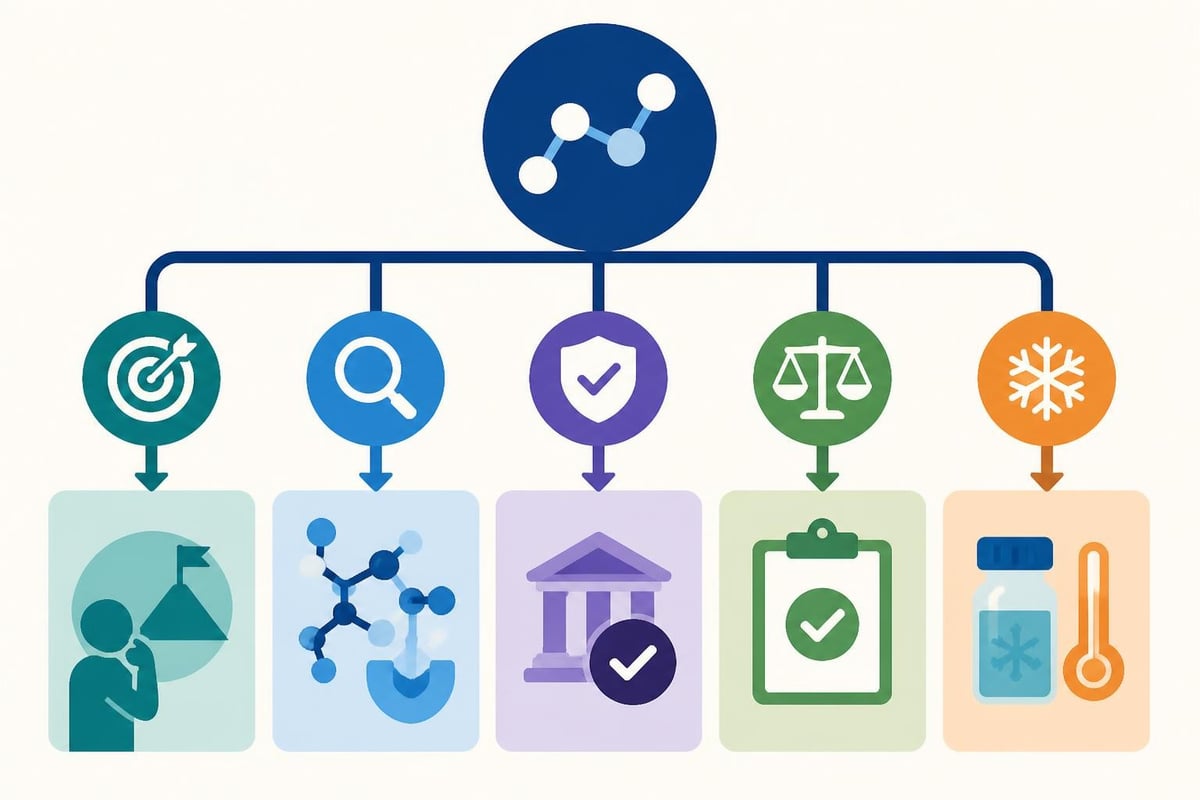
Quality represents the most critical factor in peptide selection. Premium peptides undergo rigorous purification processes and testing protocols that ensure both safety and efficacy.
Purity Testing and Certification
When evaluating where to order peptides, examine the vendor's commitment to purity verification. High-quality peptides typically achieve 98% or higher purity levels, confirmed through multiple analytical methods.
| Testing Method | Purpose | Industry Standard |
|---|---|---|
| HPLC (High-Performance Liquid Chromatography) | Measures peptide purity and identifies impurities | ≥98% purity |
| Mass Spectrometry | Confirms molecular weight and structure | Exact mass match |
| Amino Acid Analysis | Verifies peptide sequence accuracy | 100% sequence fidelity |
| Endotoxin Testing | Ensures absence of bacterial contamination | <1 EU/mg |
Reputable suppliers provide Certificates of Analysis (CoA) for every batch, offering transparency about the product you're receiving. These documents should include detailed results from third-party laboratories, not just in-house testing.
Manufacturing and Synthesis Methods
Peptide synthesis methods significantly impact final product quality. Solid-phase peptide synthesis (SPPS) represents the gold standard for producing research-grade peptides, offering precise control over sequence and purity.
Advanced purification techniques remove synthesis byproducts and impurities that could compromise peptide stability or trigger adverse reactions. When you order peptides from quality-focused suppliers, these purification steps are non-negotiable components of the manufacturing process.
Legal and Regulatory Considerations
The regulatory environment surrounding peptide sales continues to evolve, with specific frameworks governing how peptides can be marketed, sold, and used in 2026.
Research vs. Therapeutic Use Distinctions
Most peptides available for direct purchase are designated for research purposes. This distinction carries important legal implications for both vendors and purchasers. Understanding these boundaries helps ensure compliance with current regulations.
The FDA maintains specific guidelines for peptide compounds, with some peptides approved for medical use under prescription while others remain classified for research applications. Before you order peptides, verify the legal status of specific compounds in your jurisdiction.
Compliance and Vendor Verification
Legitimate peptide suppliers operate with transparent business practices and clear compliance statements. Red flags when ordering include:
- Absence of contact information or physical business address
- Claims about treating, curing, or preventing specific diseases
- Lack of quality testing documentation
- Unrealistic pricing significantly below market rates
- Poor website security or checkout processes
Peptide therapy applications in clinical settings follow strict protocols under medical supervision, highlighting the distinction between research peptides and prescribed therapeutic use.
Evaluating Peptide Vendors
Selecting the right supplier requires thorough evaluation across multiple criteria beyond just product pricing.
Key Vendor Credentials
When deciding where to order peptides, investigate the supplier's background and reputation within the research community. Established vendors demonstrate:
- Years of operation with consistent quality standards
- Transparent sourcing from verified manufacturing facilities
- Responsive customer support with knowledgeable staff
- Secure payment processing and data protection
- Clear return and refund policies
Third-party reviews and community feedback provide valuable insights into vendor reliability. Research forums and discussion groups often share experiences with specific suppliers, helping identify trusted sources.

Price vs. Quality Analysis
While cost considerations matter, exceptionally low prices often signal compromised quality. Premium peptides require expensive raw materials, sophisticated equipment, and rigorous testing-factors reflected in pricing.
| Quality Tier | Typical Purity | Price Range | Testing Documentation |
|---|---|---|---|
| Premium | 98-99%+ | $$$ | Complete CoA with third-party verification |
| Standard | 95-98% | $$ | Basic in-house testing |
| Budget | <95% | $ | Limited or no testing data |
Investing in verified quality when you order peptides protects both your health and your therapeutic goals. Impure or degraded peptides may deliver no benefits while potentially causing adverse reactions.
The Ordering Process
Understanding the practical steps involved in purchasing peptides helps ensure a smooth transaction and proper product handling.
Account Creation and Documentation
Most reputable vendors require account creation before allowing purchases. This process may include:
- Verification of intended use (research purposes)
- Age confirmation (18+ or 21+ depending on jurisdiction)
- Agreement to terms of service and disclaimers
- Email verification for order tracking
Some suppliers implement additional verification steps for specific peptides or larger quantities, reflecting their commitment to responsible distribution.
Product Selection and Specifications
When you order peptides, pay careful attention to product specifications including:
- Peptide sequence and molecular weight
- Quantity (typically measured in milligrams)
- Form (lyophilized powder vs. reconstituted solution)
- Storage requirements (temperature and light sensitivity)
- Reconstitution instructions if applicable
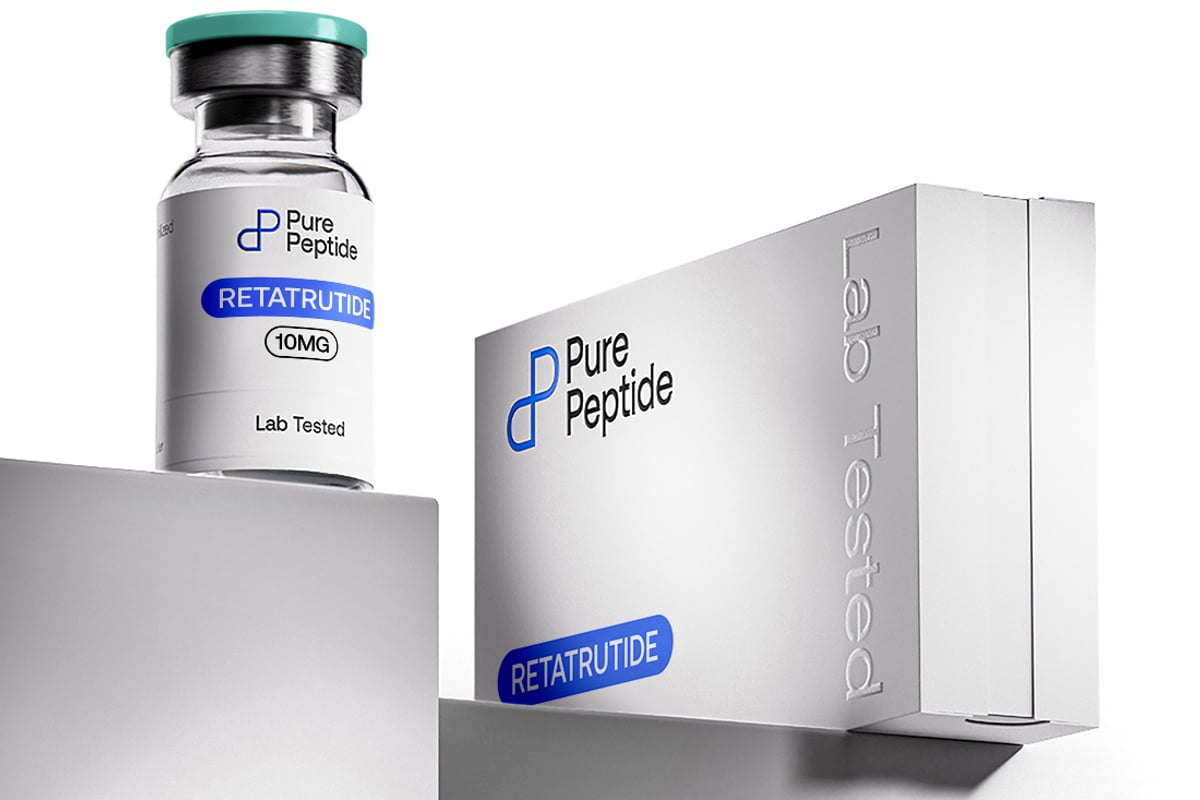
Many research applications require specific peptide concentrations or formulations. For instance, metabolic peptides like Retatrutide demonstrate enhanced effectiveness when properly dosed and administered according to research protocols. This triple agonist has shown promising results in supporting fat mass reduction through its action on GLP-1, GIP, and GCGR receptors.
Payment and Security
Secure payment processing protects your financial information during transactions. Look for:
- SSL encryption (https://) throughout the checkout process
- Recognized payment processors (Stripe, PayPal, major credit cards)
- Clear privacy policies regarding data handling
- PCI compliance for credit card processing
Avoid vendors requesting unusual payment methods like wire transfers to personal accounts or cryptocurrency-only transactions, which may indicate questionable business practices.
Shipping and Handling Considerations
Peptides are sensitive biological molecules requiring specific handling during shipping to maintain their integrity and effectiveness.
Packaging and Temperature Control
Quality vendors ship peptides with appropriate temperature control measures. Lyophilized peptides are relatively stable but should still be protected from extreme temperatures during transit.
Many suppliers include:
- Insulated packaging materials
- Ice packs or coolant packs for temperature-sensitive products
- Expedited shipping options to minimize transit time
- Discrete packaging for privacy
Tracking information allows you to monitor your shipment and ensure timely receipt, minimizing exposure to potentially damaging conditions.
International vs. Domestic Ordering
Customs regulations add complexity when ordering peptides internationally. Domestic suppliers typically offer:
- Faster delivery times (2-5 business days vs. 2-4 weeks)
- Lower shipping costs
- Reduced risk of customs delays or seizures
- Easier customer service communication
International orders may face additional scrutiny at customs, potential duty fees, and longer shipping times that increase temperature exposure risks.
Storage and Handling Upon Receipt
Proper storage immediately upon receiving your order preserves peptide quality and extends shelf life.
Immediate Actions
When your peptides arrive:
- Inspect packaging for damage or temperature indicators showing exposure to heat
- Verify products match your order specifications
- Store promptly according to manufacturer guidelines
- Document receipt including batch numbers and expiration dates
Most lyophilized peptides require refrigerated storage at 2-8°C (36-46°F) for short-term use or freezer storage at -20°C (-4°F) for long-term preservation.
Reconstitution Best Practices
If you order peptides in lyophilized form requiring reconstitution:
- Use bacteriostatic water or appropriate sterile solution
- Follow specific reconstitution protocols for each peptide
- Store reconstituted solutions according to stability guidelines
- Label vials clearly with peptide name, concentration, and reconstitution date
- Maintain sterile technique throughout the process
Proper peptide preparation ensures optimal stability and effectiveness throughout the usage period.
Common Peptides and Their Applications
Understanding popular peptide categories helps inform ordering decisions based on specific research or therapeutic goals.
Metabolic and Weight Management Peptides
Peptides targeting metabolic function have gained significant attention for their potential to support healthy body composition and energy utilization. These compounds work through various mechanisms including hormone receptor activation and cellular signaling modulation.
Recent developments in peptide-based therapeutic approaches demonstrate the versatility of these molecules in addressing complex metabolic challenges through targeted receptor activation.
Recovery and Tissue Repair Peptides
Regenerative peptides support the body's natural healing processes by promoting cellular migration, collagen synthesis, and inflammatory modulation. These compounds are particularly relevant for research into soft tissue injuries, joint health, and post-exercise recovery.
The science behind tissue repair peptides continues advancing, with computational models now assisting in the design and optimization of therapeutic peptides for specific applications.
Anti-Aging and Skin Health Peptides
Cosmetic and dermatological applications drive substantial interest in peptides that support collagen production, skin elasticity, and cellular regeneration. These peptides often work synergistically when combined in formulations targeting multiple aging pathways.
For those integrating peptides into comprehensive wellness protocols, complementary modalities like infrared saunas can enhance recovery and circulation, potentially optimizing the body's response to regenerative peptides.
Advanced Ordering Considerations
Experienced users often develop sophisticated approaches to peptide sourcing and quality verification.
Batch Testing and Verification
Some researchers conduct independent testing of peptide batches through third-party laboratories to verify vendor claims. While this adds cost, it provides absolute certainty about product quality when you order peptides for critical applications.
Supplier Relationships and Communication
Establishing relationships with reputable vendors offers advantages including:
- Priority notification of new products or formulations
- Batch reservation for consistency across long-term research
- Technical support for reconstitution or storage questions
- Volume discounts for regular purchasers
Quality suppliers view customer relationships as partnerships, offering expertise and support beyond simple transactions.
Staying Informed on Research and Regulations
The peptide landscape evolves rapidly with new research findings and regulatory updates. Staying current requires:
- Following reputable research publications and databases
- Monitoring FDA announcements regarding peptide classifications
- Participating in research communities and forums
- Reviewing updated peptide optimization frameworks that inform therapeutic applications
Integrating Peptides into Wellness Protocols
When you order peptides as part of a comprehensive health strategy, consider how they complement other interventions.
Synergistic Approaches
Many individuals combine peptides with:
- Structured exercise programs to maximize muscle growth or recovery benefits
- Nutritional optimization to support metabolic peptide effectiveness
- Professional aesthetic treatments like Botox injections for comprehensive anti-aging approaches
- Recovery modalities including cold therapy and heat exposure
Understanding these synergies helps maximize the value of your peptide investment.
Professional Guidance
While research peptides are available for direct purchase, consulting with knowledgeable healthcare providers familiar with peptide applications can optimize protocol design. Medical professionals can provide:
- Appropriate dosing guidance based on individual factors
- Monitoring recommendations to track effectiveness
- Integration strategies with existing treatments or medications
- Safety considerations for specific health conditions
Quality Assurance Beyond Initial Purchase
Maintaining peptide quality extends beyond the ordering process to include proper handling, monitoring, and evaluation throughout use.
Monitoring Effectiveness
Track your experience when using peptides through:
- Detailed logs of administration timing and dosing
- Objective measurements relevant to your goals (body composition, recovery times, etc.)
- Subjective assessments of well-being and performance
- Periodic reevaluation of protocol effectiveness
This data helps determine whether specific peptides from particular vendors deliver expected results.
Long-Term Supplier Evaluation
Periodically reassess your peptide sources against evolving industry standards and emerging suppliers. Factors to reconsider include:
- Consistency of product quality across multiple orders
- Responsiveness to questions or concerns
- Competitive pricing relative to market changes
- Introduction of enhanced testing or quality protocols
The best supplier relationship evolves as both the vendor and your needs develop over time.
Building a Peptide Knowledge Base
Successful peptide use requires ongoing education about compounds, applications, and best practices.
Research Resources
Develop familiarity with credible information sources:
- Peer-reviewed scientific journals publishing peptide research
- Reputable health and wellness platforms discussing therapeutic applications
- Professional organizations focused on peptide science
- Community forums with experienced researchers and users
Cross-referencing information across multiple sources helps distinguish evidence-based insights from marketing claims or misinformation.
Understanding Labels and Terminology
Peptide descriptions include technical terminology worth understanding:
- Lyophilized: Freeze-dried powder form requiring reconstitution
- Purity percentage: Proportion of actual peptide vs. impurities
- Sequence notation: Amino acid chain represented by letter codes
- Molecular weight: Size of the peptide molecule in Daltons
- Half-life: Duration the peptide remains active in the body
Familiarity with these terms improves your ability to compare products and make informed decisions when you order peptides.
Specialty Applications and Professional-Grade Products
Certain applications demand the highest quality standards and specialized formulations.
Professional and Clinical Settings
Healthcare providers and researchers in professional environments often require:
- Pharmaceutical-grade purity levels (>99%)
- Comprehensive documentation for regulatory compliance
- Bulk quantities with batch consistency guarantees
- Custom formulations or concentrations
These requirements typically involve direct relationships with specialized manufacturers rather than standard retail purchasing channels.
Skincare and Aesthetic Applications
The integration of peptides into professional skincare has created demand for cosmetic-grade formulations meeting specific regulatory standards. Facilities offering advanced aesthetic services often source peptides through specialized channels ensuring compatibility with professional cosmetic protocols.
Successfully navigating the peptide ordering process requires attention to quality standards, vendor credibility, and proper handling protocols. By prioritizing purity verification, understanding regulatory considerations, and selecting established suppliers, you can confidently integrate therapeutic peptides into your wellness strategy. Soma Peptide provides premium quality peptides manufactured under stringent quality control standards, offering the purity and efficacy essential for achieving your health and performance goals.