


The melanotan peptide has generated significant attention in recent years as a synthetic compound designed to stimulate melanin production and promote skin tanning without extensive sun exposure. Originally developed in the 1980s at the University of Arizona, these peptides were initially researched for their potential to protect against skin cancer by inducing a tan before sun exposure. Today, the melanotan peptide remains a subject of scientific investigation, although its use has expanded into controversial territories due to its unregulated status in many jurisdictions. Understanding the mechanisms, variants, and safety profile of this peptide is essential for anyone considering its use or seeking to educate themselves about its potential applications and risks.
Understanding Melanotan Peptide Mechanisms
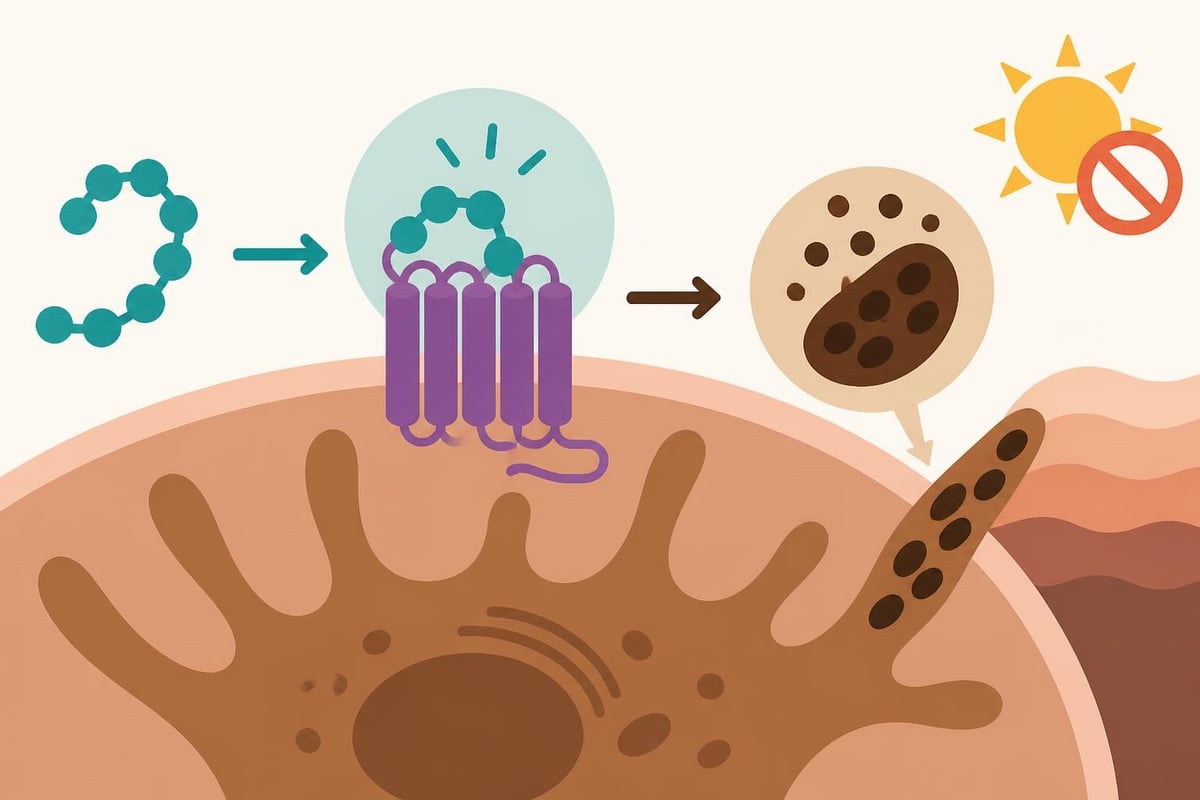
The melanotan peptide operates through a sophisticated biological pathway involving melanocortin receptors. When introduced into the body, these synthetic analogs of alpha-melanocyte-stimulating hormone (α-MSH) bind to melanocortin receptors, particularly MC1R and MC4R, triggering a cascade of cellular responses.
Receptor Activation and Melanin Production
The primary mechanism centers on melanocyte activation. Once the melanotan peptide binds to MC1R receptors on melanocytes, it stimulates the production of eumelanin, the brown-black pigment responsible for skin darkening. This process occurs independently of ultraviolet (UV) radiation exposure, distinguishing it from natural tanning processes.
Key physiological responses include:
- Increased melanin synthesis within existing melanocytes
- Enhanced pigment distribution throughout the epidermis
- Prolonged pigmentation compared to UV-induced tanning
- Potential appetite suppression through MC4R activation
The binding affinity of melanotan peptides to these receptors determines both their efficacy and their side effect profile. Research published in clinical studies has demonstrated varying degrees of receptor selectivity among different melanotan variants, which directly impacts their therapeutic potential and safety margins.
Pharmacokinetics and Duration
After administration, the melanotan peptide exhibits specific pharmacokinetic properties that influence its effectiveness. The compound typically reaches peak plasma concentrations within 1-2 hours of subcutaneous injection, with effects becoming visible within several days of consistent use.
| Pharmacokinetic Parameter | Melanotan I | Melanotan II |
|---|---|---|
| Half-life | 30-45 minutes | 1-2 hours |
| Time to effect | 5-7 days | 2-4 days |
| Duration of pigmentation | Several weeks | Several months |
| Receptor selectivity | High MC1R | Broad spectrum |
The duration of tanning effects varies significantly based on dosing protocols, individual physiology, and baseline skin type. Most users report sustained pigmentation for weeks to months after discontinuation, though this persistence raises important questions about long-term cellular effects.
Melanotan I Versus Melanotan II
Two primary variants of the melanotan peptide have been developed and studied, each with distinct molecular structures and clinical profiles. Understanding these differences is critical for evaluating their respective applications and risk-benefit ratios.
Structural and Functional Differences
Melanotan I (afamelanotide) represents a 13-amino acid synthetic analog that closely mimics natural α-MSH. Its longer peptide chain provides greater stability and more selective receptor binding. As detailed in peptide research databases, this variant has achieved regulatory approval in specific medical contexts.
Melanotan II, by contrast, is a shorter seven-amino acid cyclic peptide with broader receptor activity. This structural modification enhances its potency but also increases its interaction with multiple melanocortin receptor subtypes, leading to a wider range of effects.
Melanotan I characteristics:
- Higher selectivity for MC1R receptors
- FDA-approved for erythropoietic protoporphyria treatment (under the brand name Scenesse)
- More predictable safety profile
- Requires higher doses for tanning effects
Melanotan II characteristics:
- Activates MC1R, MC3R, MC4R, and MC5R
- Not approved by regulatory agencies for any indication
- More potent tanning effects at lower doses
- Associated with broader side effect spectrum
Clinical Applications and Research Status
The regulatory pathways for these two melanotan peptide variants have diverged significantly. Melanotan I has achieved legitimate pharmaceutical status for treating rare conditions, while Melanotan II remains in a regulatory gray area.
Recent updates on regulatory status indicate that afamelanotide (Melanotan I) received European Medicines Agency approval in 2014 and FDA approval in 2019 specifically for erythropoietic protoporphyria, a rare genetic disorder causing severe photosensitivity. This approval validates the therapeutic potential of melanotan peptides when properly formulated, dosed, and monitored.
Melanotan II, however, has not received regulatory approval anywhere in the world. As reported by Allure, its distribution occurs primarily through unregulated online channels, raising significant quality control and safety concerns. The lack of pharmaceutical-grade manufacturing standards means users cannot verify purity, sterility, or accurate dosing.
Reported Benefits and Effects
Beyond cosmetic tanning, research into the melanotan peptide has revealed several potential therapeutic applications, though many remain investigational and require further validation through controlled clinical trials.
Photoprotection and Skin Cancer Prevention
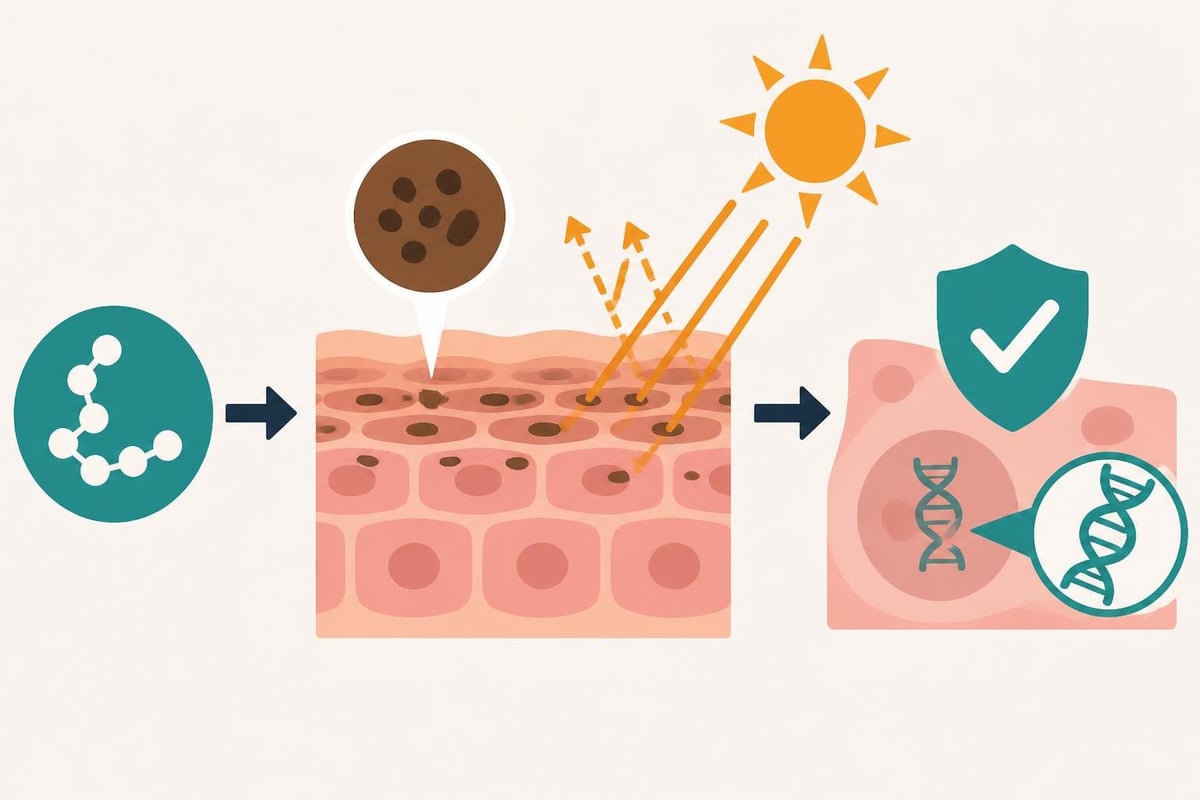
The original impetus for melanotan peptide development centered on cancer prevention. The hypothesis proposed that inducing melanin production before sun exposure could reduce DNA damage from UV radiation.
Laboratory studies have demonstrated that melanin provides a sun protection factor (SPF) equivalent of approximately 2-4, offering modest but measurable photoprotection. However, this protection is significantly lower than recommended sunscreen applications, and relying solely on melanotan-induced pigmentation would not adequately protect against UV damage.
Metabolic and Appetite Effects
The melanotan peptide, particularly Melanotan II, affects melanocortin receptors involved in energy homeostasis and appetite regulation. MC4R activation in the hypothalamus influences satiety signals and energy expenditure.
Observed metabolic effects include:
- Reduced appetite and caloric intake
- Increased energy expenditure through thermogenesis
- Enhanced fat oxidation in some subjects
- Improved insulin sensitivity in preliminary animal models
These effects have generated interest in potential applications for metabolic disorders, though no melanotan peptide is currently approved for weight management. The peptide industry has developed numerous compounds targeting metabolic pathways, and those interested in evidence-based approaches to weight management peptides should consult with healthcare providers about approved options.
Erectile Function and Libido
Melanotan II has demonstrated unexpected effects on sexual function, primarily due to its activation of MC4R receptors in central nervous system regions involved in sexual arousal. Clinical observations have documented spontaneous erections and increased libido in male subjects.
This effect has been investigated as a potential treatment for erectile dysfunction, with some derivative compounds specifically designed to target sexual function while minimizing tanning effects. However, these remain investigational and are not approved for clinical use.
Safety Profile and Side Effects
The safety considerations surrounding the melanotan peptide vary substantially between approved formulations like afamelanotide and unregulated products marketed as Melanotan II. Comprehensive safety analyses highlight significant differences in risk profiles.
Common Adverse Effects
Users of melanotan peptide formulations frequently report a constellation of side effects, with severity and frequency varying based on dosage and individual sensitivity.
| Side Effect Category | Frequency | Severity |
|---|---|---|
| Nausea | Very common (>50%) | Mild to moderate |
| Facial flushing | Very common (>50%) | Mild |
| Appetite suppression | Common (20-50%) | Mild to moderate |
| Darkening of moles | Common (20-50%) | Moderate concern |
| Spontaneous erections | Common with MT-II | Moderate |
| Injection site reactions | Common (20-50%) | Mild |
Nausea represents the most frequently reported side effect, typically occurring within hours of administration and resolving within 1-2 hours. Many users report that this effect diminishes with continued use, suggesting physiological adaptation to the peptide.
The darkening and proliferation of moles presents a more serious concern. The melanotan peptide stimulates existing melanocytes, including those within nevi (moles). Medical professionals interviewed by Marie Claire emphasize that this effect could theoretically mask the development of melanoma or accelerate the progression of existing abnormal melanocytes, though definitive evidence linking melanotan use to melanoma development remains limited.
Serious Risks and Long-Term Concerns
Beyond common side effects, several serious risks merit careful consideration, particularly with unregulated Melanotan II products:
- Cardiovascular effects including changes in blood pressure and heart rate
- Rhabdomyolysis (muscle breakdown) in rare cases
- Kidney strain from prolonged use at high doses
- Unknown long-term cancer risk from sustained melanocyte stimulation
- Contamination and sterility issues with underground products
The lack of long-term safety data represents perhaps the most significant concern. While pharmaceutical-grade afamelanotide has been studied for over two decades, most melanotan peptide use occurs outside clinical supervision, making adverse event tracking incomplete. The research literature continues to evolve, but gaps remain regarding effects of chronic use.
Quality control issues plague the unregulated market. Analysis of products sold online has revealed significant variability in peptide content, bacterial contamination, and the presence of undeclared substances. Without pharmaceutical manufacturing standards, users cannot verify they are receiving pure, accurately dosed melanotan peptide.
Dosing Protocols and Administration
For those working within clinical research contexts or using approved formulations like afamelanotide, specific dosing protocols have been established. However, recreational use of unregulated melanotan peptide products lacks standardized guidelines, contributing to inconsistent outcomes and safety concerns.
Clinical Dosing for Approved Applications
Afamelanotide (Melanotan I) is administered as a subcutaneous implant for erythropoietic protoporphyria treatment. The implant releases 16 mg of peptide over approximately 60 days, providing sustained, controlled exposure.
This pharmaceutical approach contrasts sharply with typical melanotan peptide administration in non-clinical settings, where users self-inject varying doses subcutaneously, often following protocols shared through online communities rather than medical guidance.
Reconstitution and Storage Considerations
The melanotan peptide typically arrives in lyophilized (freeze-dried) powder form requiring reconstitution with bacteriostatic water before injection. Proper reconstitution technique is essential for maintaining peptide stability and sterility.
Critical preparation steps:
- Use sterile bacteriostatic water for reconstitution
- Add water slowly along vial wall to avoid foaming
- Gentle swirling rather than shaking to mix
- Store reconstituted solution at 2-8°C (36-46°F)
- Use within 30 days of reconstitution for optimal stability
Many peptide users overlook the importance of proper bacteriostatic water and sterile technique, increasing infection risk. Professional guidance on peptide handling and administration can significantly reduce these hazards.
Loading and Maintenance Phases
Anecdotal protocols for melanotan peptide use typically describe two phases: a loading phase with higher frequency dosing to achieve initial pigmentation, followed by a maintenance phase with reduced frequency to sustain results.
These self-directed protocols lack scientific validation and carry inherent risks. Medical supervision is strongly recommended for anyone considering peptide use, regardless of the specific compound or intended outcome.
Legal Status and Regulatory Considerations
The regulatory landscape surrounding the melanotan peptide varies significantly across jurisdictions, reflecting different governmental approaches to novel synthetic compounds and cosmetic enhancement products.
United States Regulatory Framework
In the United States, Melanotan II is not approved by the Food and Drug Administration (FDA) for any indication. As detailed in research summaries, the FDA has issued warnings about melanotan products marketed for tanning purposes, emphasizing that they are illegal when sold for human consumption.
The only approved melanotan peptide in the U.S. is afamelanotide (Scenesse), which received FDA approval in 2019 exclusively for erythropoietic protoporphyria treatment. This approval came with strict prescribing requirements and monitoring protocols.
Melanotan II occupies a regulatory gray area where it is neither scheduled as a controlled substance nor approved for any use. Importation, sale, and distribution for human use violate FDA regulations, though enforcement has been inconsistent.
International Regulatory Approaches
European regulatory agencies have taken similar positions. The European Medicines Agency (EMA) approved afamelanotide for specific medical use while maintaining that Melanotan II lacks authorization for any purpose. Several European countries have issued specific warnings about tanning injections.
Australia's Therapeutic Goods Administration (TGA) has explicitly prohibited melanotan peptide products, classifying them as prescription-only medicines that require appropriate authorization. Importation and possession without prescription are illegal.
Canada's Health Canada has similarly warned against melanotan use, noting that products sold online have not been evaluated for safety, efficacy, or quality. The regulatory message across developed nations remains consistent: only pharmaceutical-grade, properly approved formulations should be used, and only for approved indications.
Alternatives and Safer Approaches
Given the safety concerns and regulatory status of unregulated melanotan peptide products, exploring alternative approaches to achieving desired outcomes merits consideration.
Topical Self-Tanning Products
Modern dihydroxyacetone (DHA)-based self-tanners provide cosmetic pigmentation without UV exposure or systemic peptide administration. While the results differ from melanin-based tanning, these products offer:
- No systemic absorption or receptor activation
- Predictable, controllable results with practice
- Legal availability and established safety profiles
- Reversible effects that fade naturally
Quality self-tanning products have improved dramatically in recent years, offering more natural-looking results without the orange tint associated with earlier formulations.
Approved Peptide Therapies for Related Goals
For individuals interested in peptide therapy for legitimate health goals such as recovery, metabolic support, or anti-aging, numerous research-backed peptides with established safety profiles offer evidence-based alternatives. Working with qualified healthcare providers ensures appropriate selection, dosing, and monitoring.
The peptide science field continues advancing, with compounds targeting specific pathways while minimizing off-target effects. Understanding polypeptide structures and functions helps in making informed decisions about which therapeutic approaches align with individual health goals.
Comprehensive Skin Health Strategies
Rather than focusing solely on pigmentation, a holistic approach to skin health addresses multiple factors:
- Broad-spectrum sunscreen application (SPF 30+)
- Antioxidant supplementation to combat oxidative stress
- Adequate hydration for skin barrier function
- Balanced nutrition supporting collagen synthesis
- Regular dermatological screening for early cancer detection
These evidence-based strategies provide sustainable skin health benefits without the risks associated with unregulated melanotan peptide use.
Current Research and Future Directions
Scientific investigation into the melanotan peptide continues, with researchers exploring both therapeutic applications and safety concerns. Understanding the current state of research helps contextualize claims and identify promising developments.
Ongoing Clinical Studies
Recent clinical trials have focused on optimizing afamelanotide delivery for erythropoietic protoporphyria and exploring potential applications in other photosensitivity disorders. Review of peptide science developments reveals growing interest in targeted melanocortin receptor modulators that could provide benefits while minimizing side effects.
Researchers are investigating whether selective MC1R agonists could offer photoprotection benefits without the broader systemic effects associated with non-selective compounds. This approach could theoretically provide the cancer-preventive benefits originally envisioned while avoiding complications from MC4R and MC5R activation.
Derivative Compounds and Modifications
The pharmaceutical industry continues developing melanocortin-targeting compounds for various indications beyond tanning. Some derivative peptides specifically target sexual function, while others focus on metabolic regulation or inflammatory modulation.
These research directions suggest that the underlying science of melanocortin receptor modulation holds legitimate therapeutic promise, even as unregulated tanning products remain problematic. The key distinction lies in pharmaceutical development processes that emphasize safety, selectivity, and clinical validation.
Emerging Safety Data
Long-term follow-up studies of patients receiving afamelanotide for approved indications continue providing valuable safety data. While these controlled, monitored applications differ substantially from recreational melanotan peptide use, they offer insights into potential chronic effects of melanocortin receptor stimulation.
Preliminary data suggest that pharmaceutical-grade Melanotan I, when properly dosed and monitored, maintains an acceptable safety profile over multiple years of use. However, extrapolating these findings to unregulated products or different dosing regimens remains scientifically unsound.
Quality Considerations and Sourcing
For researchers and clinicians working with peptides in legitimate contexts, quality and purity represent paramount concerns. The melanotan peptide market illustrates the dramatic differences between pharmaceutical-grade compounds and underground products.
Analytical Verification Methods
Legitimate peptide suppliers employ multiple analytical techniques to verify identity, purity, and potency:
| Analytical Method | Purpose | Quality Threshold |
|---|---|---|
| HPLC (High-Performance Liquid Chromatography) | Purity assessment | ≥98% purity |
| Mass Spectrometry | Molecular weight verification | Exact mass match |
| Amino Acid Analysis | Sequence confirmation | 100% sequence accuracy |
| Endotoxin Testing | Bacterial contamination | <10 EU/mg |
| Sterility Testing | Microbial contamination | No growth |
Certificates of analysis from reputable suppliers document these testing results, providing transparency about product quality. Underground sources rarely provide such documentation, and when they do, independent verification is typically impossible.
Contamination Risks
Analysis of melanotan peptide products from unregulated sources has revealed concerning contamination issues. Bacterial endotoxins, residual solvents, and incorrect peptide sequences have all been documented in products marketed online.
These quality failures can result in serious adverse effects beyond those associated with pure melanotan peptide. Injection site infections, systemic inflammatory responses, and unpredictable pharmacological effects may result from contaminated or mislabeled products.
The peptide research community emphasizes the critical importance of sourcing from verified suppliers who maintain pharmaceutical manufacturing standards and provide comprehensive analytical documentation.
The melanotan peptide represents a fascinating intersection of legitimate medical research, pharmaceutical development, and controversial cosmetic enhancement. While approved formulations like afamelanotide demonstrate that melanocortin receptor modulation holds genuine therapeutic value for specific conditions, unregulated tanning products carry significant risks that typically outweigh potential benefits. Understanding the mechanisms, variants, and safety considerations surrounding this peptide enables informed decision-making and highlights the importance of working within established medical and regulatory frameworks. For those interested in evidence-based peptide therapies for recovery, metabolic support, or anti-aging goals, Soma Peptide offers premium quality compounds manufactured to the highest purity standards, with comprehensive analytical verification and expert guidance to ensure safe, effective use.