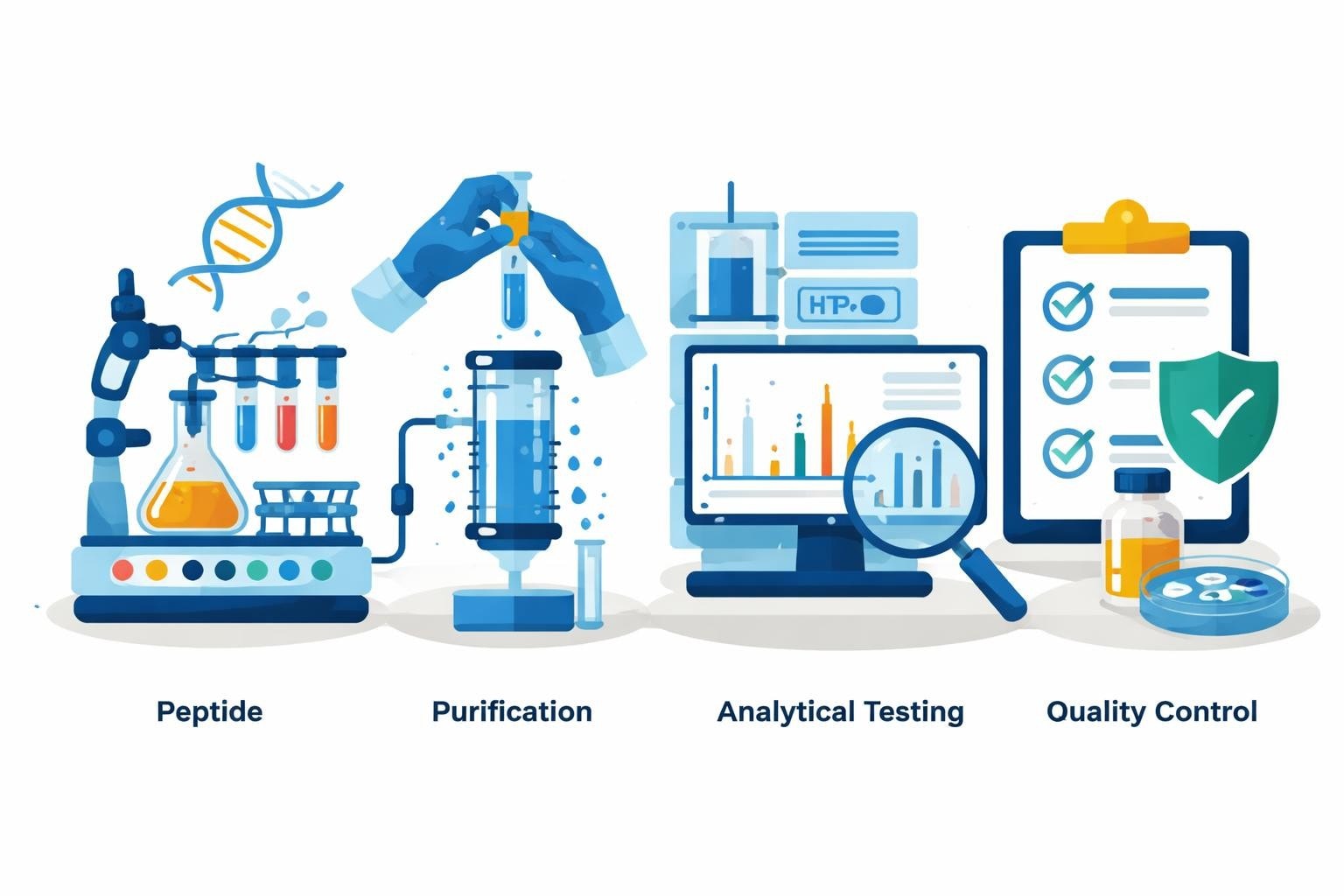
The quality and reliability of peptides used in research, therapeutic applications, and performance enhancement depend entirely on the rigorous standards maintained within a peptide laboratory. These specialized facilities employ sophisticated analytical techniques, stringent quality control protocols, and comprehensive testing methodologies to ensure every peptide meets exacting specifications for purity, potency, and safety. Understanding what separates a premium peptide laboratory from standard production facilities helps researchers, clinicians, and consumers make informed decisions about peptide sourcing.
Core Functions of a Modern Peptide Laboratory
A peptide laboratory serves multiple critical functions throughout the production and validation lifecycle. These facilities combine synthesis capabilities with analytical testing infrastructure to produce compounds that meet pharmaceutical-grade standards.
Synthesis and Purification Operations
The synthesis process represents the foundation of peptide laboratory operations. Specialized equipment facilitates solid-phase peptide synthesis (SPPS), where amino acids are sequentially added to build the desired peptide chain. This methodical approach allows precise control over sequence accuracy and minimizes synthesis errors.
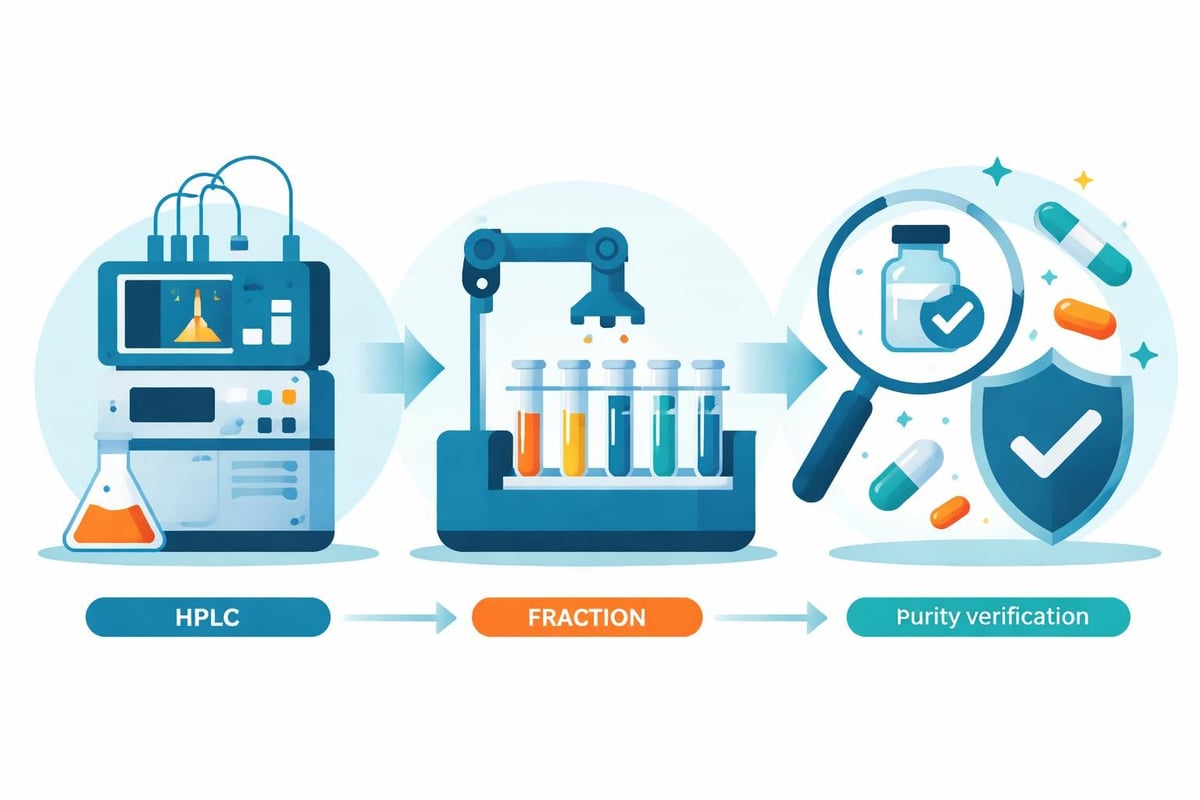
Purification follows synthesis as an equally critical step. High-performance liquid chromatography (HPLC) systems separate the target peptide from deletion sequences, truncated products, and other impurities. Multiple purification rounds may be necessary to achieve the desired purity level, particularly for research-grade peptides requiring verification through certificates of analysis.
Advanced purification methods employed in a peptide laboratory include:
- Reversed-phase HPLC for hydrophobic separation
- Ion-exchange chromatography for charged peptides
- Size-exclusion chromatography for molecular weight differentiation
- Preparative HPLC for large-scale purification
- Counter-current chromatography for complex mixtures
The choice of purification method depends on the peptide's physicochemical properties, intended application, and required purity threshold.
Quality Control and Analytical Testing
Quality control represents the backbone of any reputable peptide laboratory. Comprehensive testing protocols ensure each batch meets predetermined specifications before release for research or therapeutic use.
Essential Analytical Techniques
Modern laboratories employ multiple complementary analytical methods to characterize peptides fully. HPLC remains the gold standard for purity assessment, quantifying the percentage of target peptide relative to impurities. Mass spectrometry confirms molecular weight and sequence accuracy, identifying any modifications or errors in synthesis.
Additional analytical techniques include amino acid analysis, which verifies composition and sequence, and peptide mapping through enzymatic digestion. These methods collectively provide a complete quality profile for each peptide batch.
| Analytical Method | Primary Purpose | Detection Capability |
|---|---|---|
| HPLC | Purity quantification | 0.1% impurity detection |
| Mass Spectrometry | Molecular weight confirmation | ±1 Dalton accuracy |
| Amino Acid Analysis | Composition verification | Individual amino acid ratios |
| Peptide Mapping | Sequence confirmation | Deletion/insertion detection |
| Karl Fischer Titration | Moisture content | 0.01% water detection |
Understanding quality control in peptide research helps consumers appreciate the complexity behind premium peptide production. Each analytical method contributes unique information that collectively ensures product reliability.
Certificates of Analysis Documentation
Every peptide released from a professional peptide laboratory should include a certificate of analysis (CoA). This document provides transparent evidence of quality testing results, including purity percentage, molecular weight confirmation, and batch-specific identification numbers.
The CoA serves as a quality guarantee and traceability tool. Researchers and consumers should always verify CoA availability before purchasing peptides, as this documentation represents the laboratory's commitment to transparency and quality assurance. At Soma Peptide, comprehensive certificates accompany every product, ensuring customers receive fully verified compounds.
Manufacturing Standards and Regulatory Compliance
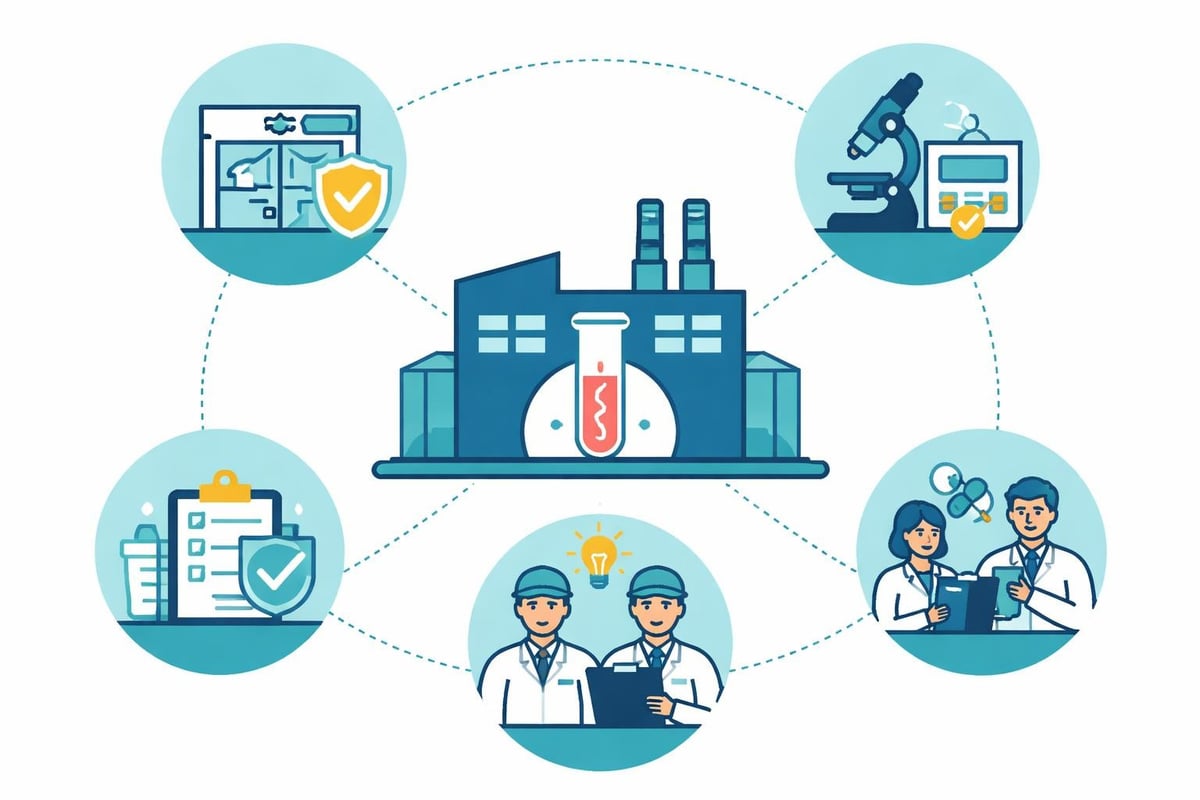
Professional peptide laboratories operate under strict manufacturing standards that govern every aspect of production. These standards ensure consistency, safety, and regulatory compliance across all operations.
Good Manufacturing Practices Implementation
Good Manufacturing Practices (GMP) establish comprehensive guidelines for manufacturing operations, facility design, equipment maintenance, and personnel training. A peptide laboratory following GMP principles maintains detailed standard operating procedures (SOPs) for every process step.
Environmental controls within GMP-compliant facilities include:
- HEPA-filtered cleanroom environments
- Temperature and humidity monitoring
- Controlled access and personnel gowning
- Regular environmental monitoring
- Equipment calibration and validation
These controls minimize contamination risks and ensure consistent production conditions. The importance of analytical and manufacturing standards cannot be overstated when producing compounds intended for therapeutic or research applications.
Regulatory Oversight and Compliance
Peptide laboratories producing therapeutic compounds must navigate complex regulatory landscapes. The FDA provides guidance documents that outline expectations for peptide drug development, manufacturing, and quality standards.
Compliance involves maintaining detailed batch records, implementing robust change control procedures, and conducting regular internal audits. Laboratories must document deviations, investigate out-of-specification results, and implement corrective actions when quality issues arise.
Advanced Purification Technologies
The evolution of purification technologies has dramatically improved peptide laboratory capabilities. Modern facilities employ cutting-edge techniques that achieve higher purity levels with greater efficiency than traditional methods.
High-Resolution Separation Systems
Next-generation HPLC systems offer enhanced resolution, allowing separation of peptides with minimal structural differences. Ultra-high-performance liquid chromatography (UHPLC) uses smaller particle sizes and higher pressures to achieve superior separation efficiency.
These advanced systems reduce purification time while improving purity outcomes. The technology proves particularly valuable for complex peptides like BPC-157 or TB-500, which require precise purification to maintain therapeutic efficacy.
Scale-Up Capabilities
A versatile peptide laboratory maintains capabilities across multiple production scales. Small-scale analytical HPLC supports method development and quality control, while preparative and process-scale systems enable commercial production.
This scalability ensures consistent quality regardless of batch size. Methods validated at analytical scale translate directly to larger production runs, maintaining the same purity specifications throughout scaling operations.
Storage and Stability Testing Protocols
Proper storage and stability assessment represent critical functions within a peptide laboratory. These protocols ensure peptides maintain their quality from production through end-use applications.
Stability-Indicating Methods
Stability testing employs the same analytical techniques used for quality control but applies them over extended timeframes under various storage conditions. Laboratories typically test peptides at room temperature, refrigerated conditions, and accelerated degradation temperatures.
Results guide storage recommendations and establish expiration dating. Products like Semaglutide and Tirzepatide undergo extensive stability testing to determine optimal storage conditions and shelf life.
Proper Handling and Reconstitution
Peptide laboratories provide detailed protocols for peptide handling, storage, and reconstitution. These guidelines ensure end users maintain peptide integrity throughout the usage lifecycle.
Recommendations typically include:
- Store lyophilized peptides at -20°C or below
- Minimize freeze-thaw cycles for reconstituted solutions
- Use appropriate reconstitution solvents like bacteriostatic water
- Protect light-sensitive peptides from exposure
- Maintain sterile technique during handling
Following these protocols maximizes peptide stability and ensures consistent results across research or therapeutic applications. Understanding peptide safety and quality considerations helps users maintain compound integrity from laboratory to final application.
Specialized Peptide Production Categories
Different peptide applications require specialized production approaches within a peptide laboratory setting. Understanding these distinctions helps consumers select appropriate products for their specific needs.
Therapeutic and Research-Grade Peptides
Therapeutic-grade peptides meet stringent pharmaceutical standards suitable for clinical applications. These compounds undergo more extensive testing and documentation than research-grade materials, though both categories require rigorous quality control.
Research-grade peptides serve scientific investigation purposes and typically maintain high purity standards while following less intensive regulatory requirements. Both categories benefit from the same fundamental laboratory infrastructure and analytical capabilities.
Growth Factors and Recovery Peptides
Specialized peptides supporting muscle growth and recovery require particular attention to stability and activity preservation. Compounds like IGF-1 LR3 and Ipamorelin demand careful handling throughout production to maintain biological activity.
The peptide laboratory must validate that purification methods don't compromise peptide folding or post-translational modifications essential for activity. Bioassays may supplement chemical analysis to confirm functional potency.

Contamination Prevention and Cleanroom Operations
Maintaining contamination-free production environments represents a fundamental responsibility of every peptide laboratory. Sophisticated cleanroom facilities and operational protocols minimize contamination risks.
Environmental Classification Systems
Cleanrooms are classified by airborne particle counts, with lower numbers indicating cleaner environments. ISO Class 5 cleanrooms provide highly controlled environments suitable for aseptic processing, while ISO Class 7 or 8 areas support less critical operations.
Air handling systems continuously filter and recirculate air, maintaining positive pressure differentials that prevent contamination ingress. Regular particle counting and microbial monitoring verify environmental control effectiveness.
Personnel Training and Qualification
Human activity represents the primary contamination source in cleanroom environments. Comprehensive personnel training covers gowning procedures, aseptic technique, and contamination prevention strategies.
Operators undergo regular qualification assessments demonstrating their ability to work without introducing contamination. This human factor validation ensures that even the best facility design and equipment are properly utilized by trained personnel.
Emerging Technologies in Peptide Production
Innovation continues transforming peptide laboratory capabilities. New technologies enhance efficiency, purity, and production economics while maintaining rigorous quality standards.
Automated Synthesis Platforms
Automated peptide synthesizers increase production consistency while reducing human error. These systems precisely control reaction conditions, reagent additions, and coupling times, producing more uniform products across batches.
Integration with laboratory information management systems (LIMS) provides complete traceability from synthesis through final testing. This digital connectivity enhances quality documentation and regulatory compliance.
Green Chemistry Initiatives
Environmental sustainability increasingly influences peptide laboratory operations. Green chemistry approaches minimize solvent consumption, reduce waste generation, and employ more environmentally friendly reagents.
These initiatives benefit both environmental responsibility and operational economics. Solvent recovery systems reclaim and purify organic solvents for reuse, while alternative coupling reagents reduce hazardous waste generation.
Quality Metrics and Performance Indicators
Professional peptide laboratories track comprehensive quality metrics that demonstrate consistent performance and continuous improvement. These indicators provide objective evidence of laboratory capability.
Key Performance Indicators
Critical metrics monitored include first-pass purity success rates, batch rejection frequencies, analytical method precision, and stability study compliance. Trending these indicators reveals process capability and identifies improvement opportunities.
| Performance Metric | Target Specification | Monitoring Frequency |
|---|---|---|
| Average Batch Purity | ≥98% | Per batch |
| Synthesis Success Rate | ≥95% | Monthly |
| CoA Issuance Time | ≤48 hours | Per batch |
| Out-of-Spec Rate | ≤2% | Monthly |
| Equipment Downtime | ≤5% | Weekly |
These metrics provide transparency into laboratory performance and demonstrate commitment to quality excellence. Facilities producing compounds like Tesamorelin or Retatrutide should willingly share performance data with customers.
Continuous Improvement Programs
Leading peptide laboratories implement formal continuous improvement programs that systematically identify and address process inefficiencies. Root cause analysis investigates quality events, while corrective and preventive actions (CAPA) prevent recurrence.
Regular management reviews assess quality trends, customer feedback, and regulatory developments. This proactive approach ensures laboratories maintain cutting-edge capabilities and anticipate evolving industry requirements.
Supplier Selection and Verification
Consumers and researchers must carefully evaluate peptide laboratory credentials when selecting suppliers. Understanding what distinguishes premium facilities from marginal operations protects research integrity and therapeutic outcomes.
Essential Verification Criteria
Evaluating potential suppliers involves assessing multiple quality indicators. Certificate of analysis availability represents a fundamental requirement, providing transparent evidence of testing and purity verification. The importance of peptide purity certificates and supplier standards cannot be overstated when making sourcing decisions.
Additional verification criteria include:
- Third-party testing availability
- Manufacturing facility certifications
- Customer reviews and testimonials
- Technical support responsiveness
- Product stability data availability
Companies that maintain comprehensive educational resources demonstrate commitment to customer education and transparency. This openness typically correlates with higher quality standards and customer service.
Red Flags and Warning Signs
Certain indicators suggest inadequate quality control or questionable laboratory practices. Unusually low pricing compared to market averages often indicates compromised quality or inadequate testing. Absence of certificates of analysis or refusal to provide testing documentation represents serious concerns.
Other warning signs include vague product descriptions, lack of batch-specific identification, and unwillingness to answer technical questions about production methods or testing protocols. These factors should prompt consumers to seek alternative suppliers with demonstrated quality commitments.
Blend Formulations and Custom Manufacturing
Advanced peptide laboratories offer blend formulations and custom manufacturing services that address specific research or therapeutic objectives. These specialized capabilities require additional infrastructure and expertise.
Pre-Formulated Peptide Blends
Synergistic peptide combinations provide enhanced benefits compared to individual compounds. Popular formulations like CJC-1295 and Ipamorelin blends or BPC-157 and TB-500 combinations require careful formulation development and stability testing.
The peptide laboratory must validate that combined peptides remain stable together and don't interact adversely. Compatibility testing ensures each component maintains its individual potency within the blend formulation.
Custom Synthesis Capabilities
Custom peptide synthesis allows researchers to obtain novel sequences or modifications not available commercially. This service requires flexible synthesis platforms and experienced scientists capable of optimizing production for unique peptide structures.
Custom projects typically involve method development, analytical validation, and scale-up optimization. The peptide laboratory works collaboratively with customers to establish specifications, timelines, and quality requirements for custom compounds.
Understanding peptide laboratory operations, quality standards, and testing protocols empowers informed decision-making when selecting peptide suppliers. The rigorous analytical methods, comprehensive quality control, and regulatory compliance maintained by professional laboratories ensure products meet exacting specifications for purity, potency, and safety. Whether you're seeking compounds for weight loss, muscle growth, recovery, or anti-aging applications, partnering with a supplier that prioritizes laboratory excellence delivers the reliability your research or therapeutic goals demand. Soma Peptide maintains the highest standards of quality control and testing, providing comprehensive certificates of analysis and premium-grade peptides backed by rigorous laboratory verification.