






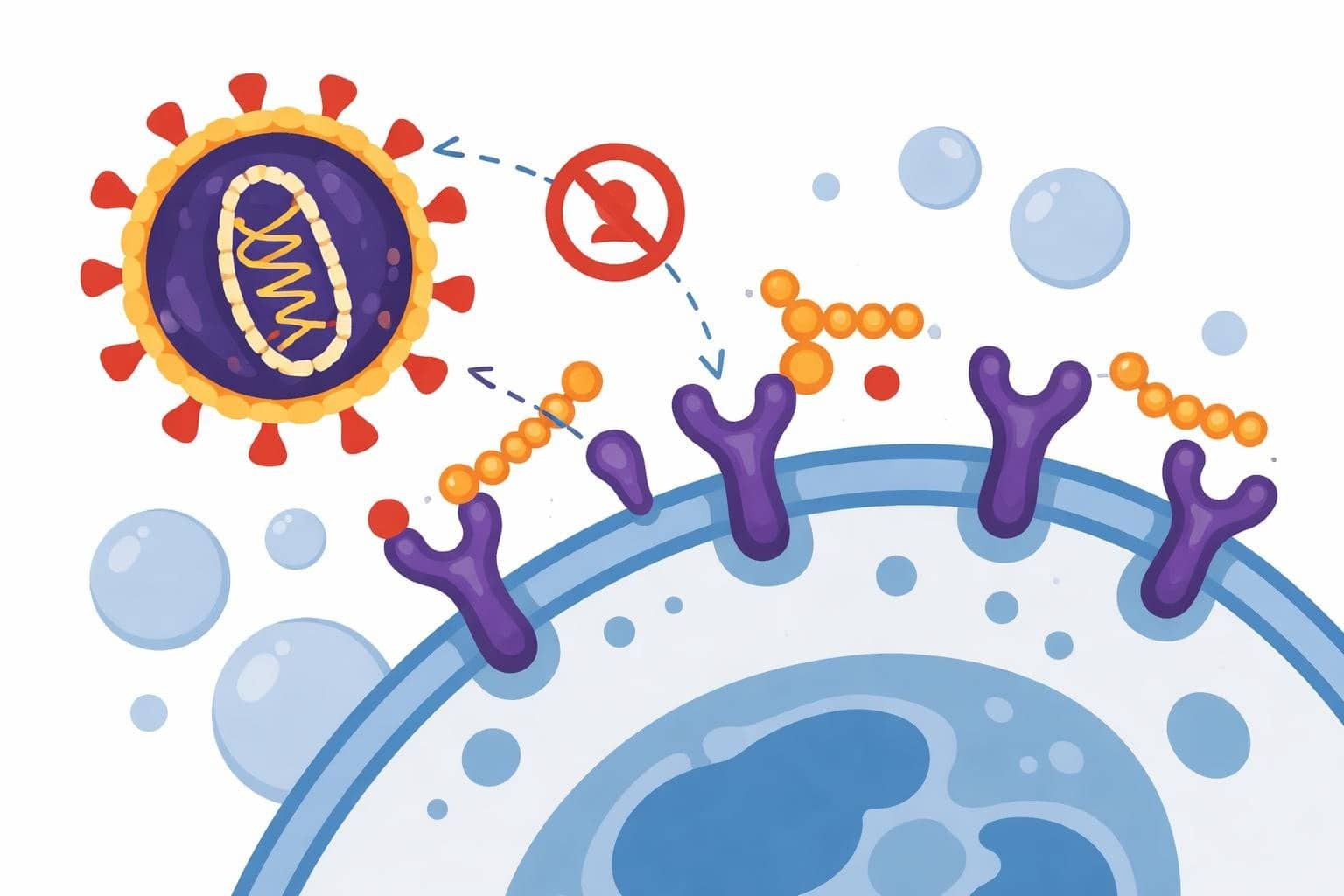
Peptide T represents a fascinating compound in the world of therapeutic peptides, distinguished by its unique mechanism of action and potential applications in viral infection management and neuroprotection. This octapeptide sequence has garnered significant attention from researchers studying HIV-1 infection pathways and cognitive function preservation. While many peptides focus on metabolic processes or tissue regeneration, peptide T operates through receptor-binding mechanisms that influence viral entry and neurological signaling. Understanding this peptide's properties, clinical research history, and potential applications provides valuable insights into how targeted peptide therapy can address complex health challenges.
Understanding the Molecular Structure and Origins
Peptide T is an octapeptide consisting of eight amino acids with the sequence Thr-Thr-Asn-Tyr-Thr-Thr-Ser-Lys. This specific sequence was originally derived from the V2 region of HIV-1's gp120 envelope protein, which plays a crucial role in viral attachment and entry into host cells.
The discovery of peptide T emerged from research investigating how HIV-1 interacts with cellular receptors. Scientists identified that certain regions of the viral envelope protein showed remarkable similarity to chemokine sequences, suggesting competitive binding possibilities.
Key Structural Characteristics
- Octapeptide composition: Eight amino acids forming a specific bioactive sequence
- Chemokine mimicry: Structural similarity to natural signaling molecules
- Receptor affinity: Binding capability to CCR5 and other chemokine receptors
- Water solubility: Enhanced bioavailability through various administration routes
The molecular weight and configuration of peptide T allow it to cross certain biological barriers more effectively than larger protein compounds. This characteristic proved essential for research exploring neurological applications.

Mechanism of Action and Receptor Interactions
The primary mechanism through which peptide T exerts its effects involves competitive binding to chemokine receptors, particularly CCR5. This receptor serves as a critical co-receptor for HIV-1 entry into CD4+ T cells and macrophages.
Research has demonstrated that peptide T inhibits HIV-1 infection through CCR5 receptor binding, effectively blocking viral attachment sites. By occupying these receptor locations, the peptide prevents viral envelope proteins from initiating the fusion process necessary for infection.
| Receptor Type | Binding Affinity | Functional Impact |
|---|---|---|
| CCR5 | High | Blocks HIV-1 entry pathway |
| CXCR4 | Moderate | Influences cellular signaling |
| Chemokine receptors | Variable | Modulates immune responses |
Beyond viral inhibition, peptide T demonstrates effects on neurological function. The compound appears to influence neurotransmitter systems and may protect against certain forms of neuronal damage. These properties led researchers to explore applications beyond antiviral therapy.
Cellular-Level Effects
When peptide T binds to chemokine receptors, several downstream effects occur. The peptide modulates intracellular signaling pathways that influence calcium flux, gene expression, and cellular survival mechanisms. These broader effects contribute to its neuroprotective potential.
The blood-brain barrier represents a significant challenge for many therapeutic compounds. Peptide T's relatively small size and specific chemical properties enable various administration routes, including intranasal delivery, which researchers explored for neurological applications.
Clinical Research and HIV Applications
The most extensive clinical research involving peptide T focused on HIV-related complications, particularly cognitive impairment and peripheral neuropathy. During the late 1980s and 1990s, multiple clinical trials investigated whether this peptide could address neurological complications arising from HIV infection.
A nationwide study was initiated to examine peptide T for HIV-associated cognitive impairment, recognizing that many patients experienced significant neuropsychiatric symptoms even when viral loads were controlled. The hypothesis centered on whether blocking chemokine receptors could reduce inflammation and protect neurological function.
Several phase I trials established baseline safety profiles. Clinical trials assessed the safety and efficacy of peptide T for neuropsychiatric complications in AIDS patients, determining appropriate dosing ranges and identifying potential adverse effects.
Neuropathy Treatment Studies
Peripheral neuropathy caused substantial pain and disability for many HIV-positive individuals. Researchers conducted placebo-controlled trials examining peptide T for painful distal neuropathy associated with AIDS, measuring both subjective pain reports and objective neurological assessments.
Results from these trials showed mixed outcomes. Some patients reported symptomatic improvement, while statistical significance varied across different endpoints. The complexity of HIV-related neuropathy, involving both viral effects and medication toxicity, complicated interpretation of results.
- Dosing protocols: Typically ranged from 1-6 mg administered intranasally
- Treatment duration: Studies varied from several weeks to extended months
- Assessment methods: Cognitive testing, pain scales, quality of life measures
- Safety profile: Generally well-tolerated with minimal adverse effects
The pharmacokinetics of peptide T in AIDS patients revealed important information about absorption, distribution, and elimination. Understanding these parameters helped researchers optimize dosing schedules and delivery methods for maximum therapeutic potential.

Neuroprotective Properties and Brain Health
Beyond direct antiviral effects, peptide T demonstrated intriguing neuroprotective characteristics that attracted research interest. The peptide's ability to modulate chemokine receptor activity in neural tissues suggested potential applications for cognitive preservation and neurological health.
Chemokine receptors exist throughout the central nervous system, where they regulate various neurological processes including neuroinflammation, neuronal survival, and synaptic plasticity. By binding to these receptors, peptide T may influence multiple pathways relevant to brain health.
Cognitive Function Research
The intranasal administration route for peptide T proved particularly relevant for neurological applications. This delivery method allows compounds to bypass the blood-brain barrier partially through olfactory pathways, potentially increasing central nervous system exposure.
Studies measuring cognitive function in HIV-positive patients treated with peptide T assessed various domains:
- Memory performance: Both short-term and long-term recall
- Executive function: Planning, organization, and decision-making
- Processing speed: Reaction time and information processing
- Attention span: Sustained focus and concentration ability
- Psychomotor skills: Coordination and motor response accuracy
The extended administration studies provided data on long-term safety and sustained effects. Researchers monitored patients receiving peptide T over months, tracking both beneficial outcomes and any emerging safety concerns.
| Study Duration | Patient Population | Primary Endpoints | Notable Findings |
|---|---|---|---|
| 8-12 weeks | Early HIV infection | Cognitive scores | Variable improvement |
| 6+ months | Advanced AIDS | Neuropathy pain | Modest benefit reported |
| 3-6 months | HIV+ with dementia | Mental status | Mixed results |
These investigations contributed valuable information about peptide T's potential and limitations. While some patients experienced subjective improvements, establishing consistent, statistically significant benefits across diverse populations proved challenging.
Administration Routes and Bioavailability
The effectiveness of any peptide depends substantially on its bioavailability and the administration route used. Peptide T has been investigated through multiple delivery methods, each offering distinct advantages and limitations.
Intranasal administration emerged as the primary route in clinical research. This method offers several benefits for neurological applications, including direct nose-to-brain pathways that may enhance central nervous system delivery while minimizing systemic exposure.
Subcutaneous injection represents another viable option, though this route was less commonly employed in peptide T research compared to intranasal delivery. Injectable formulations provide more predictable pharmacokinetics but require sterile technique and proper handling.
Formulation Considerations
Soma Peptide require careful formulation to maintain stability and activity. Factors affecting peptide T preparations include:
- pH optimization for stability
- Buffer selection for tissue compatibility
- Preservative systems for multi-dose formulations
- Storage conditions to prevent degradation
- Reconstitution protocols for lyophilized products
For researchers and practitioners working with therapeutic peptides, understanding these formulation principles proves essential. Soma Peptide emphasizes the importance of proper peptide handling and storage to maintain compound integrity throughout the usage period.
The choice of administration route significantly impacts the peptide's distribution pattern, peak concentration, and duration of action. Intranasal delivery typically produces relatively rapid absorption with variable systemic bioavailability depending on nasal membrane permeability and mucociliary clearance.
Current Status and Research Landscape
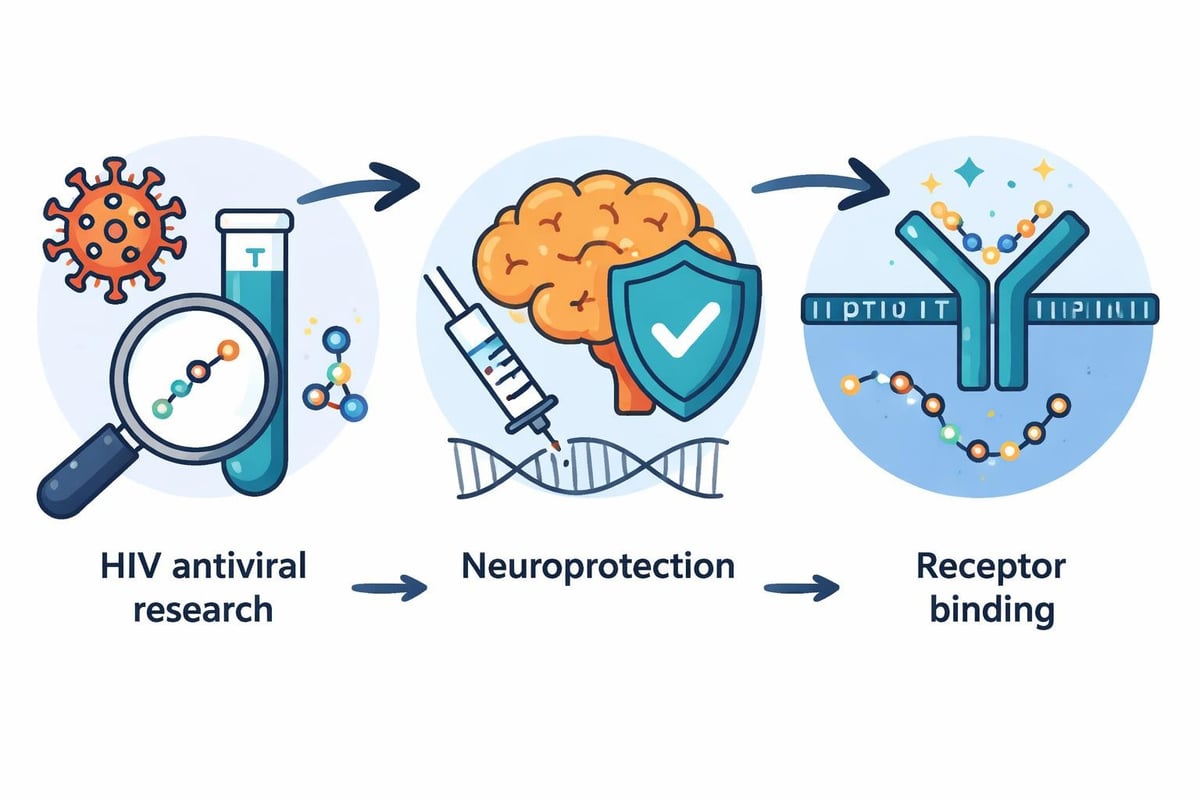
As of 2026, peptide T occupies a unique position in the therapeutic landscape. While the initial enthusiasm for HIV treatment applications has been tempered by mixed clinical results, the compound continues to generate interest for its mechanistic insights and potential alternative applications.
The development of highly effective antiretroviral therapy transformed HIV treatment, reducing the urgency for adjunctive therapies targeting viral entry. However, the neuroprotective mechanisms explored through peptide T research contributed valuable knowledge about chemokine receptor modulation and brain health.
Contemporary Research Directions
Modern peptide research has expanded dramatically beyond the applications initially explored for peptide T. The peptide industry now encompasses compounds targeting metabolic regulation, tissue repair, immune modulation, and aging processes.
Understanding the history and mechanisms of peptides like peptide T provides context for appreciating newer therapeutic peptides. The lessons learned from clinical trials, formulation development, and delivery optimization continue to inform current peptide research and development.
Quality Standards and Purity Considerations
The therapeutic potential of any peptide depends fundamentally on its purity, quality, and structural integrity. Impurities, degradation products, or incorrect sequences can significantly compromise both safety and efficacy.
Advanced analytical methods ensure peptide quality:
- High-performance liquid chromatography (HPLC): Separates and quantifies peptide purity
- Mass spectrometry: Confirms molecular weight and sequence accuracy
- Amino acid analysis: Verifies composition and detects modifications
- Endotoxin testing: Ensures freedom from bacterial contamination
- Sterility assurance: Confirms microbiological safety for injectable products
Premium peptide suppliers implement comprehensive quality control protocols at multiple production stages. From raw material verification through final product release, systematic testing ensures that peptides meet stringent specifications.
The synthesis method significantly impacts peptide quality. Solid-phase peptide synthesis, the predominant manufacturing approach, requires careful optimization to minimize deletion sequences, truncated products, and other impurities that can arise during coupling and deprotection steps.
Regulatory Perspectives
While peptide T remains primarily a research compound, the broader regulatory framework for peptides continues evolving. Regulatory agencies worldwide have developed increasingly sophisticated guidelines for peptide therapeutics, addressing manufacturing standards, clinical trial design, and post-market surveillance.
Researchers and practitioners exploring peptide applications benefit from working with suppliers who prioritize quality assurance and maintain comprehensive documentation. Certificate of analysis documentation provides transparency about product specifications and testing results.
Integration with Broader Peptide Applications
The scientific understanding gained from peptide T research extends beyond this specific compound. The principles of receptor-mediated effects, neuroprotection mechanisms, and delivery optimization apply across the diverse peptide landscape.
Modern peptide applications span multiple health optimization areas. Weight management peptides like those available through specialized suppliers work through different mechanisms than peptide T, yet share common considerations regarding purity, handling, and administration.
| Application Category | Representative Peptides | Primary Mechanisms |
|---|---|---|
| Metabolic regulation | GLP-1 analogs | Hormone receptor activation |
| Tissue repair | BPC-157, TB-500 | Growth factor modulation |
| Cognitive support | Selank, Semax | Neurotransmitter effects |
| Anti-aging | Epitalon, GHK-Cu | Cellular regeneration pathways |
Understanding how different peptides function helps practitioners select appropriate compounds for specific goals. The mechanistic diversity within the peptide family enables targeted interventions addressing various physiological processes.
Complementary Peptide Strategies
While peptide T focused on receptor blocking mechanisms, many contemporary peptides work through receptor activation or modulation of enzymatic pathways. This mechanistic variety allows for sophisticated combination approaches when multiple targets require attention.
The general overview of peptide T available through educational resources provides accessible information for those beginning to explore peptide science. Building foundational knowledge supports informed decision-making about peptide selection and application.
Safety Profile and Adverse Effects
Clinical trials investigating peptide T established a generally favorable safety profile. The most commonly reported adverse effects were mild and transient, primarily associated with the intranasal administration route.
Common minor effects included:
- Nasal irritation or discomfort
- Mild headache
- Altered taste sensation
- Nasal congestion or rhinorrhea
Serious adverse events were uncommon in clinical trials. The peptide's relatively short sequence and natural amino acid composition contributed to its tolerability. Unlike larger proteins, small peptides typically generate minimal immunogenic responses.
Long-term safety data from extended administration studies provided reassurance about sustained use. Patients receiving peptide T for months showed no accumulation of adverse effects or emergence of delayed toxicity concerns.
Contraindications and Precautions
Despite the favorable overall safety profile, certain considerations apply when evaluating peptide T use:
- Pregnancy and lactation: Limited data necessitates caution
- Active infections: Immune modulation effects require monitoring
- Allergic history: Prior peptide sensitivities warrant careful assessment
- Concurrent medications: Potential interactions need evaluation
Proper peptide handling extends beyond administration technique. Storage conditions, reconstitution practices, and sterility maintenance all contribute to safe peptide use. Resources addressing peptide handling best practices help ensure optimal outcomes.
Future Perspectives and Research Opportunities
The scientific foundation established through peptide T research continues to inform contemporary investigations. While the compound itself may not have achieved widespread clinical adoption, the mechanistic insights gained prove valuable for ongoing peptide development.
Future research directions might explore:
- Modified sequences: Structural alterations enhancing stability or receptor selectivity
- Combination approaches: Synergistic effects with other neuroprotective compounds
- Novel applications: Conditions involving chemokine receptor dysregulation
- Delivery innovations: Advanced formulations improving bioavailability
The broader peptide field continues expanding rapidly. New synthesis techniques, delivery technologies, and mechanistic understanding enable increasingly sophisticated therapeutic applications. Researchers building on foundations laid by earlier peptide investigations like those involving peptide T contribute to this ongoing evolution.
Mechanistic Research Opportunities
Understanding exactly how peptide T interacts with various receptor subtypes and influences downstream signaling remains an active research area. Advanced molecular modeling, receptor binding studies, and cellular assays continue refining our knowledge of peptide-receptor interactions.
These mechanistic insights extend beyond academic interest. Practical applications include designing improved peptides with enhanced selectivity, potency, or pharmacokinetic properties. The iterative process of studying natural peptide sequences and developing optimized analogs drives therapeutic progress across multiple domains.
Peptide T's journey from initial discovery through clinical investigation illustrates both the promise and complexity of peptide therapeutics, providing valuable lessons about receptor-mediated interventions and neuroprotection strategies. Whether you're exploring peptides for research purposes, health optimization, or professional applications, working with suppliers committed to quality and purity ensures the best foundation for your goals. Soma Peptide provides premium quality peptides backed by rigorous testing and quality assurance, supporting your peptide research and application needs with compounds you can trust.