


Understanding the intricate biochemistry of insulin production requires examining proinsulin c peptide, a crucial molecule that serves as both a byproduct and biomarker of pancreatic function. This peptide fragment plays a fundamental role in diabetes diagnostics, metabolic research, and emerging therapeutic applications. As peptide science advances in 2026, proinsulin c peptide continues to attract attention from researchers, clinicians, and individuals seeking to optimize their metabolic health through precision peptide therapies.
The Biochemistry of Proinsulin C Peptide
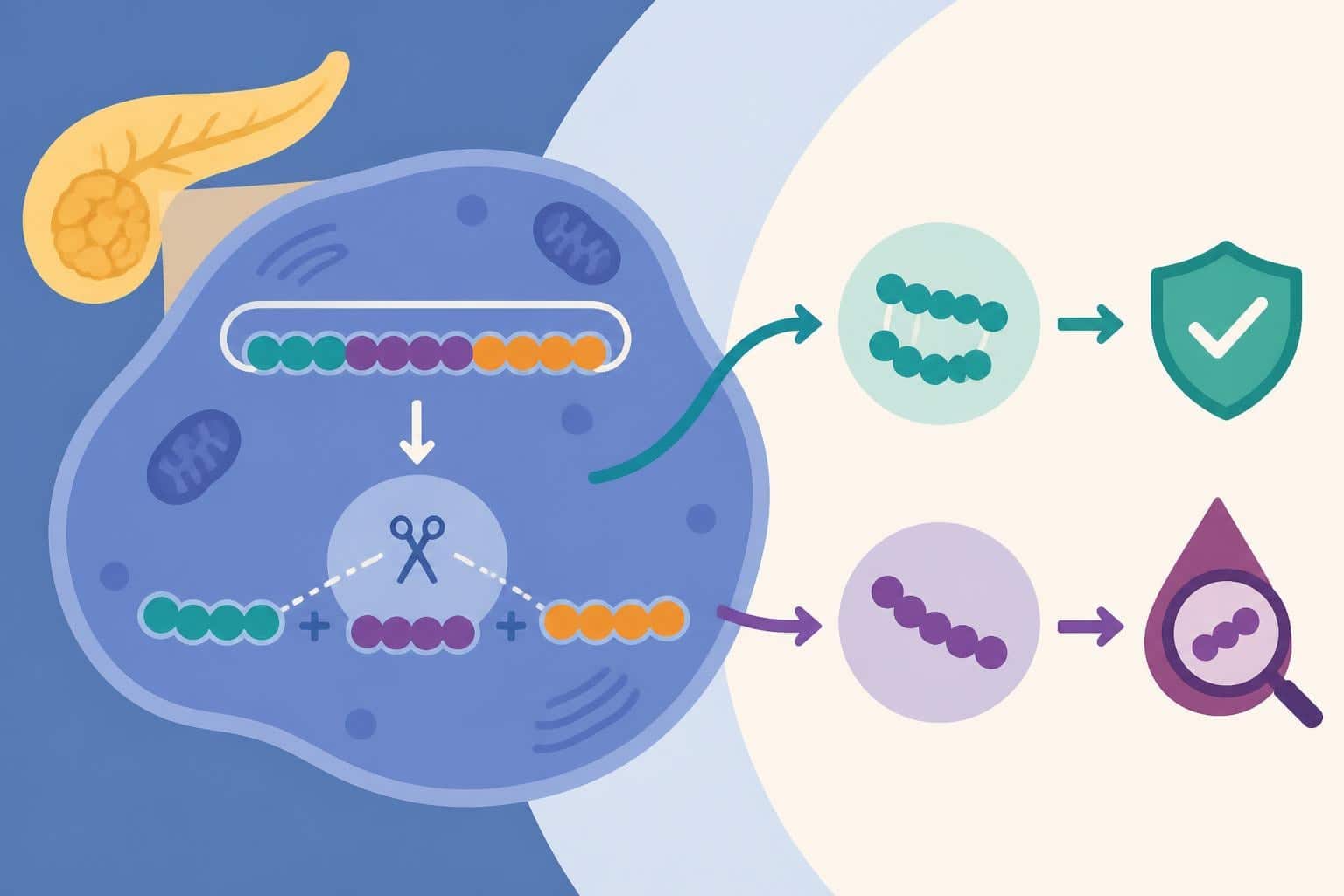
Proinsulin c peptide represents a 31-amino acid peptide chain that connects the A and B chains of insulin during the hormone's biosynthesis. Within pancreatic beta cells, preproinsulin undergoes enzymatic cleavage to form proinsulin, which subsequently splits into mature insulin and the connecting peptide. According to detailed biochemical research on C-peptide, this molecule is released into the bloodstream in equimolar amounts with insulin, making it an invaluable marker for endogenous insulin production.
The splitting process occurs within secretory granules of pancreatic beta cells, where specific endopeptidases cleave proinsulin at two sites. This enzymatic action separates the C-peptide from the insulin molecule, releasing both into circulation simultaneously. The molecular structure consists of a specific amino acid sequence that varies slightly between species but maintains consistent functional characteristics across mammals.
Molecular Structure and Properties
The human proinsulin c peptide contains exactly 31 amino acids with a molecular weight of approximately 3,020 Daltons. Chemical databases detail its precise molecular formula as C129H211N35O48, providing researchers with exact specifications for synthesis and analysis.
Key structural properties include:
- Amino acid sequence: EAEDLQVGQVELGGGPGAGSLQPLALEGSLQKR
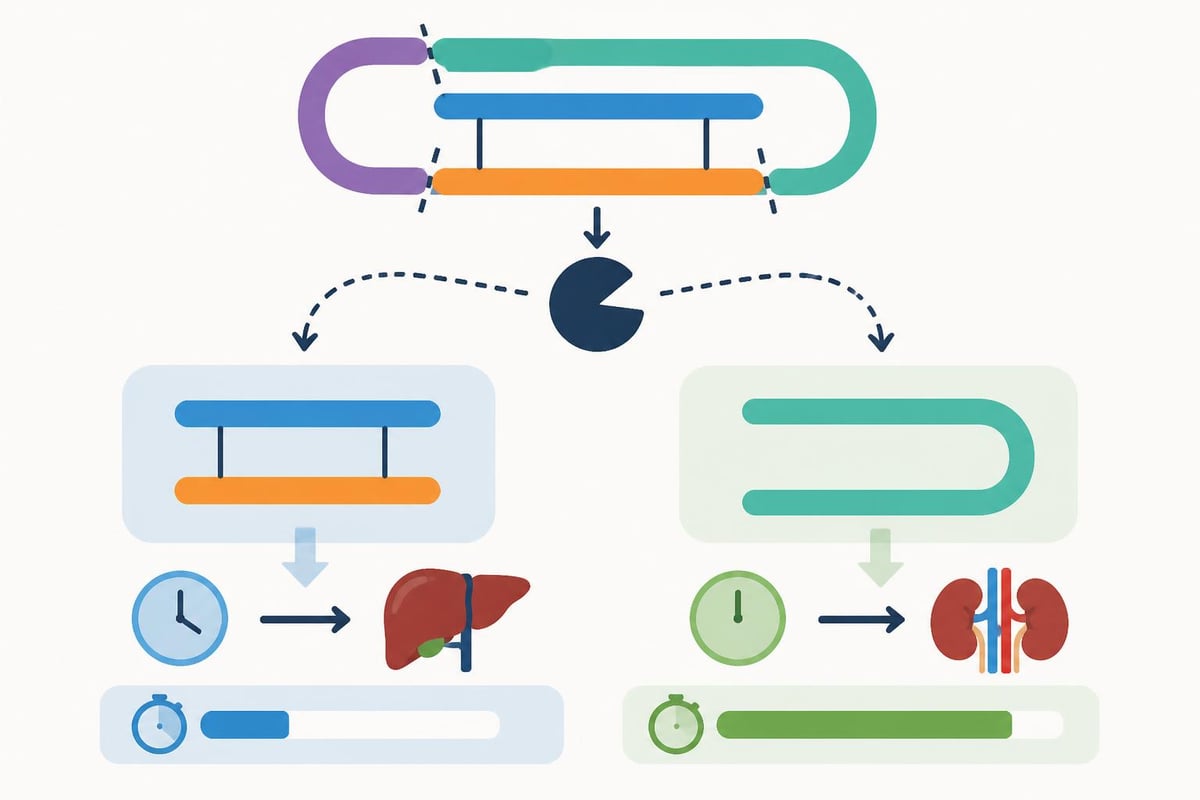
- Half-life: Approximately 30 minutes in circulation
- Clearance route: Primarily through renal filtration
- Stability: More stable than insulin in stored samples
- Solubility: Highly soluble in aqueous solutions
This extended half-life compared to insulin makes proinsulin c peptide particularly valuable for clinical assessments. While insulin degrades rapidly and undergoes hepatic extraction, C-peptide remains measurable in peripheral blood for longer periods, providing a more accurate reflection of beta-cell secretory function.
Clinical Applications and Diagnostic Value
Medical professionals utilize proinsulin c peptide measurements to distinguish between different types of diabetes, assess beta-cell function, and evaluate insulin independence in various clinical scenarios. The test provides critical information that insulin measurements alone cannot deliver, particularly in patients receiving exogenous insulin therapy.
Diagnostic Testing Scenarios
Healthcare providers order C-peptide testing in multiple clinical contexts. The measurement helps differentiate Type 1 diabetes from Type 2 diabetes by revealing whether the pancreas continues producing endogenous insulin. In Type 1 diabetes, C-peptide levels typically fall below detectable ranges due to autoimmune destruction of beta cells, while Type 2 diabetes patients generally maintain measurable or even elevated levels.
Fasting C-peptide tests typically require an overnight fast of 8-12 hours before blood collection. Normal reference ranges generally fall between 0.5 and 2.0 ng/mL, though laboratories may use slightly different units and ranges. Stimulated tests involve administering glucose or glucagon to challenge beta-cell function before measuring the C-peptide response.
| Test Type | Purpose | Normal Range | Clinical Significance |
|---|---|---|---|
| Fasting C-peptide | Baseline assessment | 0.5-2.0 ng/mL | Evaluates resting insulin production |
| Stimulated C-peptide | Beta-cell reserve | >1.8 ng/mL (post-meal) | Assesses maximum secretory capacity |
| Random C-peptide | Quick screening | Variable | Context-dependent interpretation |
| 24-hour urine C-peptide | Total daily production | 17-142 mcg/day | Comprehensive secretion assessment |
Additional applications include monitoring pancreatic transplant function, investigating hypoglycemia causes, and evaluating insulinoma diagnosis. When patients experience low blood sugar episodes, simultaneous measurements of glucose, insulin, and proinsulin c peptide help determine whether excessive endogenous insulin production or exogenous insulin administration causes the problem.
Physiological Functions Beyond Insulin Production
While originally considered an inert byproduct, research has revealed that proinsulin c peptide possesses independent biological activities. Studies on C-peptide’s physiological effects demonstrate its potential therapeutic applications, particularly for diabetes complications affecting nerves, kidneys, and blood vessels.
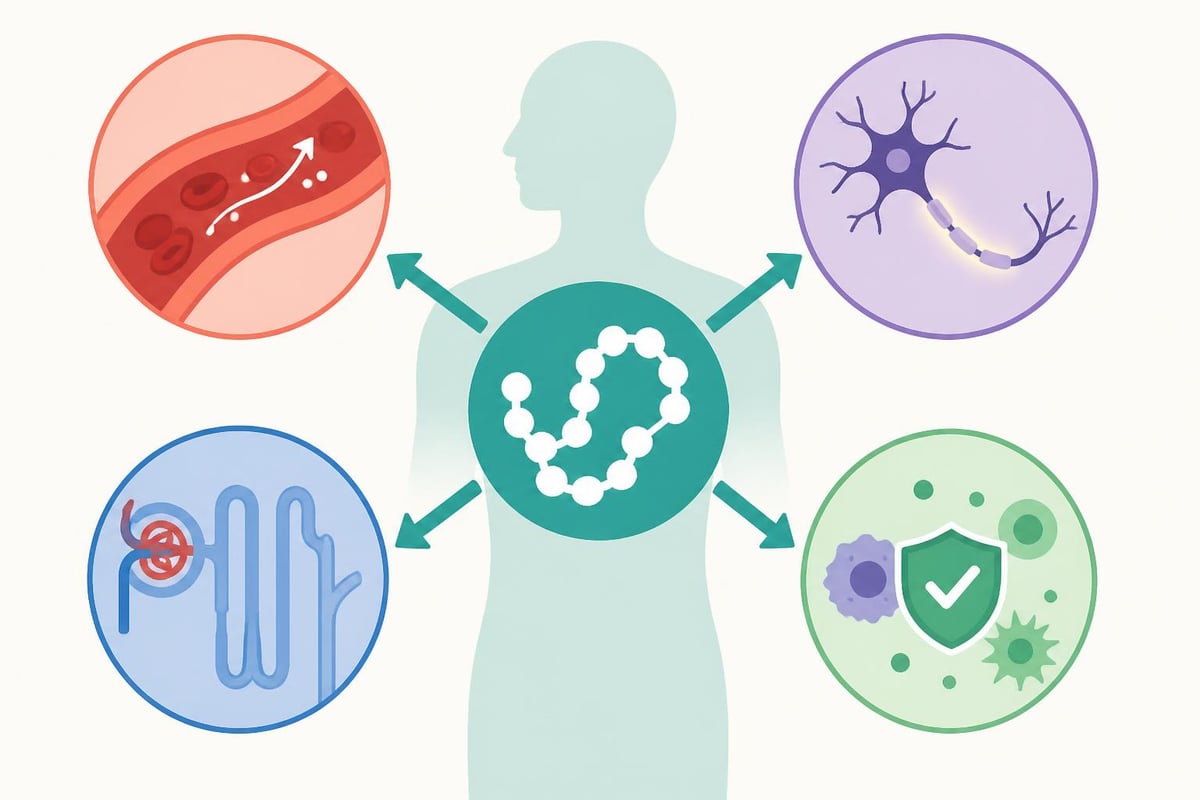
The peptide binds to specific cell surface receptors, triggering intracellular signaling pathways that influence multiple physiological processes. These effects include improved microvascular blood flow, enhanced nerve function, and beneficial impacts on renal tubular function. Understanding these mechanisms has opened new avenues for therapeutic intervention.
Vascular and Neural Effects
Proinsulin c peptide improves endothelial function by stimulating nitric oxide production, leading to vasodilation and enhanced tissue perfusion. This vasodilatory effect particularly benefits diabetic patients experiencing microvascular complications. The peptide also activates Na+/K+-ATPase in nerve cells, improving nerve conduction velocity and potentially reversing diabetic neuropathy symptoms.
Research demonstrates several measurable benefits:
- Enhanced red blood cell deformability for improved oxygen delivery
- Increased eNOS activation in endothelial cells
- Reduced inflammatory markers in vascular tissue
- Improved glomerular filtration in early diabetic nephropathy
- Stimulation of nerve growth factor expression
These physiological actions distinguish proinsulin c peptide from many other peptides available for metabolic support. While compounds like semaglutide primarily target appetite regulation and tesamorelin focuses on growth hormone release, C-peptide addresses fundamental issues in glucose metabolism and vascular health.
Research Developments and Therapeutic Potential
The scientific understanding of proinsulin c peptide continues evolving as researchers uncover additional biological roles and therapeutic applications. Historical research on proinsulin and C-peptide biosynthesis established the foundation for modern therapeutic investigations exploring replacement therapy for diabetic complications.
Current research focuses on several promising areas. Clinical trials examine whether C-peptide replacement therapy can prevent or reverse diabetic neuropathy, nephropathy, and retinopathy. These studies build on observations that Type 1 diabetic patients receiving both insulin and C-peptide replacement show fewer long-term complications than those receiving insulin alone.
Manufacturing and Quality Considerations
Producing pharmaceutical-grade proinsulin c peptide requires sophisticated synthesis techniques and rigorous quality control. Manufacturers employ solid-phase peptide synthesis or recombinant DNA technology to create peptides meeting strict purity standards. The process involves multiple purification steps, including high-performance liquid chromatography (HPLC), to achieve pharmaceutical-grade material.
Quality parameters for research-grade peptides include:
- Purity analysis: HPLC verification showing >95% purity
- Mass spectrometry: Confirming correct molecular weight
- Amino acid analysis: Verifying sequence accuracy
- Endotoxin testing: Ensuring absence of bacterial contamination
- Sterility testing: Confirming microbiological safety
These stringent requirements mirror the quality standards applied across the peptide industry. Companies specializing in premium peptides, such as those offering BPC-157 and TB-500, employ similar advanced purification methods to ensure product efficacy and safety.
Integration with Metabolic Peptide Therapies
Understanding proinsulin c peptide's role in metabolism provides context for comprehensive peptide-based health optimization strategies. While C-peptide primarily serves diagnostic and investigational purposes currently, its metabolic functions complement other therapeutic peptides targeting weight loss, muscle growth, and recovery.
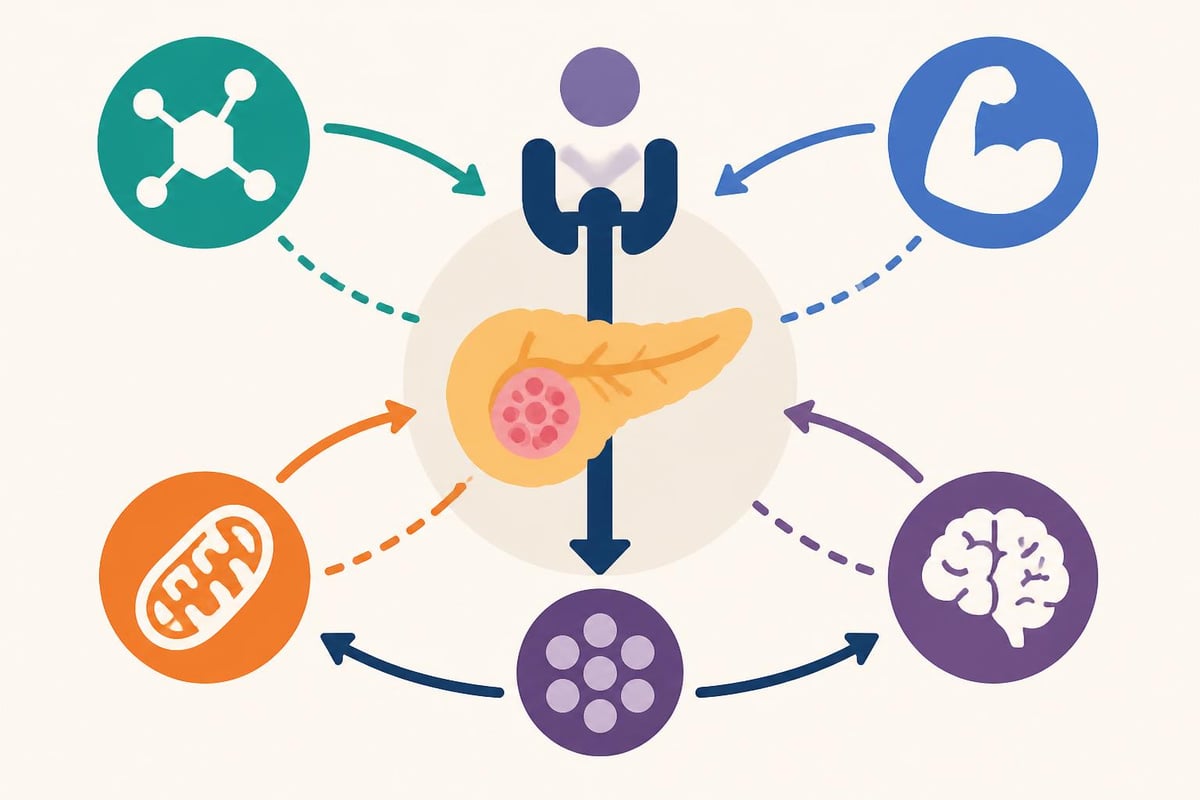
The peptide landscape in 2026 offers numerous options for individuals seeking metabolic enhancement. Peptide therapy approaches now encompass compounds affecting multiple physiological pathways, from mitochondrial function to hormone regulation. Proinsulin c peptide measurements help clinicians assess baseline metabolic function before implementing targeted interventions.
Synergistic Approaches
Comprehensive metabolic optimization often involves multiple interventions working synergistically. Understanding your baseline C-peptide levels helps determine insulin sensitivity and pancreatic function, informing decisions about which additional peptides might provide optimal benefits. For instance, individuals with impaired insulin secretion might benefit differently from growth hormone-releasing peptides compared to those with normal beta-cell function.
Consider how different peptide categories address metabolic health:
| Peptide Category | Primary Function | Example Compounds | Metabolic Impact |
|---|---|---|---|
| Metabolic regulators | Glucose control, appetite | GLP-1 analogs | Direct insulin sensitivity improvement |
| Growth factors | Tissue repair, recovery | BPC-157, TB-500 | Enhanced healing and adaptation |
| Mitochondrial peptides | Cellular energy | MOTS-C, SS-31 | Improved metabolic efficiency |
| Cognitive peptides | Neural function | Semax, Selank | Stress reduction, mental clarity |
Compounds like MOTS-C enhance mitochondrial function and metabolic regulation, potentially working synergistically with optimal insulin signaling. Similarly, Ipamorelin stimulates growth hormone release, which influences insulin sensitivity and glucose metabolism in complex ways.
Measurement Techniques and Interpretation
Accurate proinsulin c peptide measurement requires sophisticated immunoassay techniques that specifically detect the peptide without cross-reactivity to proinsulin or insulin. Laboratories employ chemiluminescent immunoassays, electrochemiluminescence, or enzyme-linked immunosorbent assays (ELISA) to quantify circulating levels with high precision.
Sample collection timing significantly impacts results. Fasting measurements provide baseline data, while post-prandial or stimulated samples reveal beta-cell responsiveness. The meal challenge typically involves consuming a standardized mixed meal followed by blood collection at 90-120 minutes, when C-peptide reaches peak levels in healthy individuals.
Interpreting Results in Context
Proinsulin c peptide levels require interpretation within clinical context rather than isolation. Elevated levels may indicate insulin resistance, insulinoma, or recovery of beta-cell function. Low levels suggest depleted beta-cell reserve, as seen in longstanding Type 1 diabetes or end-stage Type 2 diabetes. Normal levels in someone with diabetes indicate preserved insulin secretion capacity.
Several factors influence C-peptide measurements:
- Renal function: Impaired kidney clearance elevates levels
- Body mass: Higher BMI correlates with increased secretion
- Medications: Certain drugs affect pancreatic function
- Stress levels: Cortisol and catecholamines influence secretion
- Meal timing: Recent food intake significantly impacts results
Healthcare providers consider these variables when ordering tests and interpreting findings. The C-peptide-to-glucose ratio provides additional insight, helping distinguish between different causes of abnormal glucose metabolism. A suppressed C-peptide with low glucose suggests insulinoma or exogenous insulin, while low C-peptide with high glucose indicates inadequate insulin production.
Future Directions in C Peptide Research
The scientific community continues investigating proinsulin c peptide's therapeutic potential beyond its established diagnostic role. Researchers explore modified versions with enhanced stability or biological activity, potentially creating next-generation therapeutics for diabetic complications. Standardized notation systems for peptide variants facilitate this research by providing consistent methods for describing modified peptides.
Animal models, including Drosophila studies of proinsulin processing, reveal genetic factors affecting proper folding and processing. These insights help researchers understand how mutations lead to diabetes and identify potential intervention points. Understanding protein misfolding mechanisms may enable development of therapies preventing beta-cell dysfunction.
Emerging research areas include:
- Neuroprotective applications: Examining C-peptide's effects on cognitive function and neurodegenerative diseases
- Wound healing: Investigating enhanced tissue repair in diabetic ulcers
- Cardiovascular protection: Assessing benefits for heart disease prevention
- Modified analogs: Developing peptides with prolonged half-life or enhanced receptor binding
- Combination therapies: Testing synergistic effects with other metabolic compounds
The peptide therapy field continues expanding as researchers identify new applications for both established and novel compounds. Those interested in cutting-edge peptide applications can explore options through specialized providers offering verified, high-quality products backed by rigorous testing protocols.
Clinical Monitoring and Practical Applications
For individuals managing diabetes or metabolic disorders, regular proinsulin c peptide monitoring provides valuable feedback about treatment efficacy and disease progression. The test helps physicians adjust insulin dosing, evaluate whether oral medications maintain effectiveness, and determine when additional interventions become necessary.
Some patients undergo serial C-peptide testing every 3-6 months to track beta-cell function over time. Declining levels in Type 1 diabetes patients signal progression toward complete insulin dependence, while stable or improving levels in Type 2 diabetes suggest effective disease management. This longitudinal data informs treatment modifications and helps set realistic therapeutic goals.
Healthcare teams use C-peptide data alongside other biomarkers including hemoglobin A1c, fasting glucose, and insulin levels. This comprehensive approach provides multidimensional insight into metabolic health. When combined with continuous glucose monitoring data, C-peptide measurements help create highly personalized treatment protocols addressing each patient's unique physiology.
Proinsulin c peptide serves as far more than a simple biomarker, representing a crucial element in understanding insulin biology, diagnosing metabolic disorders, and potentially treating diabetic complications. Whether you're exploring metabolic optimization, managing diabetes, or seeking advanced therapeutic interventions, understanding this peptide's role enhances informed decision-making about your health strategy. Soma Peptide provides premium quality peptides manufactured to the highest purity standards, supporting your journey toward optimal metabolic health and performance through scientifically-backed, rigorously tested compounds.