
The peptide industry has experienced remarkable growth over the past few years, with more individuals seeking targeted solutions for weight management, muscle development, recovery enhancement, and anti-aging support. As demand increases, so does the importance of understanding what separates premium peptide suppliers from those offering inferior products. This Soma Peptide review examines the critical factors that determine peptide quality, including manufacturing standards, purity testing protocols, and the characteristics that distinguish reliable suppliers in a crowded marketplace.
Understanding Peptide Purity and Quality Standards
Peptide purity represents the single most important factor when evaluating any peptide product. The purity percentage indicates what portion of the product consists of the intended peptide sequence versus impurities, byproducts, or other compounds. High-quality peptides typically achieve purity levels of 98% or higher, ensuring that users receive the intended compound in its most effective form.
Manufacturing processes directly impact final purity levels. Advanced purification methods such as high-performance liquid chromatography (HPLC) separate the target peptide from unwanted substances through precise chemical processes. Suppliers who invest in sophisticated purification equipment and maintain rigorous quality control protocols consistently deliver superior products.
Third-Party Testing and Verification
Independent laboratory testing provides objective confirmation of peptide quality. Reputable suppliers submit their products to accredited third-party laboratories for comprehensive analysis, including:
- Purity assessment through HPLC analysis
- Mass spectrometry to verify molecular weight and structure
- Amino acid sequencing to confirm correct peptide composition
- Contamination screening for heavy metals and biological agents
- Sterility testing to ensure product safety
These verification steps create transparency and accountability. When conducting a Soma Peptide review, always prioritize suppliers who make third-party test results readily available through certificates of analysis (COA). Companies that hide or refuse to provide testing documentation raise immediate red flags about product authenticity and quality.

Evaluating Supplier Credentials and Manufacturing Practices
The source of your peptides matters as much as the product itself. Manufacturing facilities operating under current Good Manufacturing Practices (cGMP) adhere to stringent standards that govern every aspect of production, from raw material sourcing to final packaging. These protocols minimize contamination risks and ensure consistent quality across every batch.
When performing a Soma Peptide review, investigate whether suppliers maintain relationships with certified manufacturing partners. Facilities should operate in controlled environments with temperature regulation, air filtration systems, and contamination prevention measures. The production process should follow documented standard operating procedures (SOPs) that specify exact parameters for each manufacturing stage.
Storage and Handling Protocols
Proper storage conditions preserve peptide integrity from production through delivery. Peptides are sensitive compounds that degrade when exposed to:
- Excessive heat or temperature fluctuations
- Direct sunlight or UV radiation
- Moisture or humidity variations
- Prolonged exposure to air
Premium suppliers implement cold chain logistics, shipping peptides in insulated packaging with temperature monitoring. Products should arrive in lyophilized (freeze-dried) form with clear reconstitution instructions. Vacuum-sealed vials protect against oxidation and contamination during storage.
Key Product Categories and Applications
Different peptides serve distinct physiological functions, making it essential to understand which compounds align with specific health and performance goals. This Soma Peptide review covers major categories based on their primary mechanisms and applications.
| Peptide Category | Primary Function | Common Applications | Research Support |
|---|---|---|---|
| Growth Hormone Secretagogues | Stimulate GH release | Muscle growth, recovery, fat loss | Extensive clinical data |
| Tissue Repair Peptides | Accelerate healing | Injury recovery, inflammation reduction | Growing evidence base |
| Metabolic Peptides | Regulate metabolism | Weight management, glucose control | FDA-approved compounds available |
| Cosmetic Peptides | Support skin health | Anti-aging, collagen production | Dermatological studies |
Weight Loss and Metabolic Support
Metabolic peptides have gained significant attention for their ability to influence body composition and energy regulation. These compounds work through various mechanisms, including appetite suppression, enhanced lipolysis, and improved insulin sensitivity. Research platforms like ExaminePeptides provide comprehensive databases documenting clinical evidence for metabolic peptides and their efficacy profiles.
Advanced formulations such as triple agonists represent the latest evolution in metabolic peptide therapy. By activating multiple receptor pathways simultaneously, these compounds demonstrate enhanced effectiveness compared to earlier generations. Understanding the mechanisms behind different peptide classes helps users make informed decisions aligned with their specific metabolic goals.
Recovery and Tissue Repair
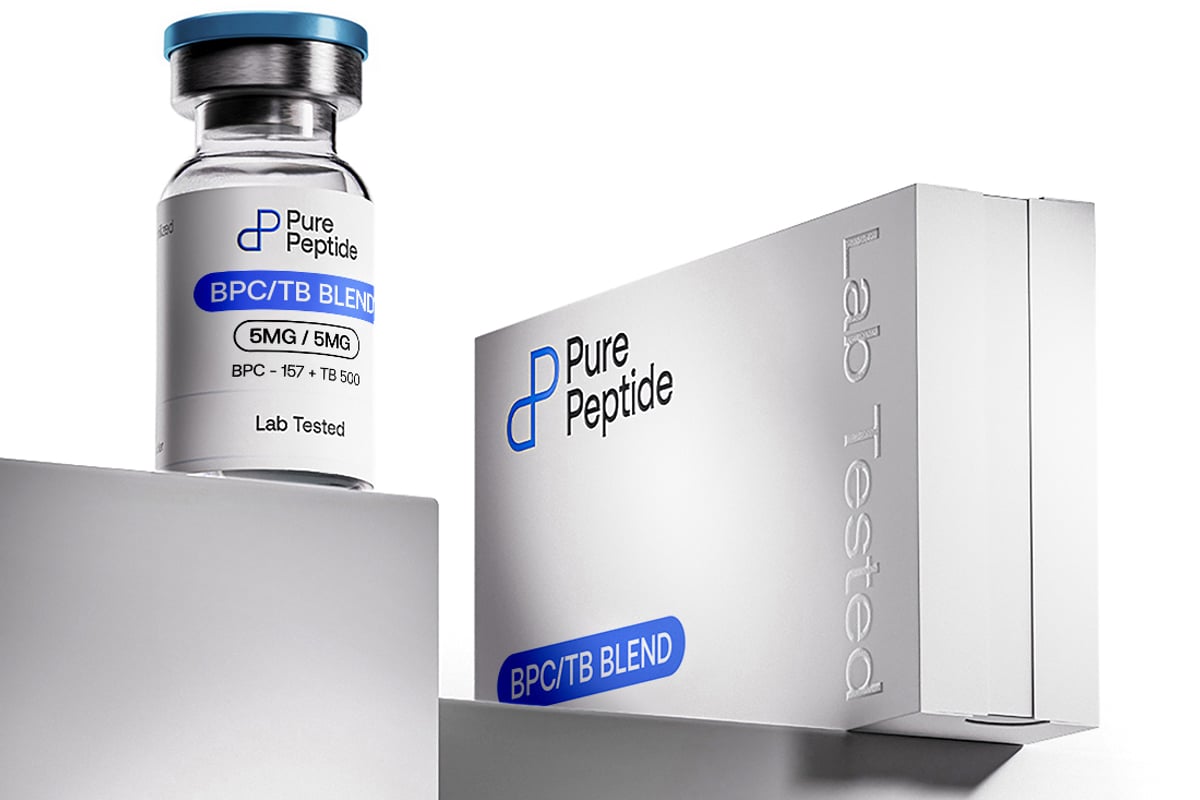
Peptides designed for tissue repair and recovery have become essential tools for athletes, active individuals, and those recovering from injuries. These compounds support the body's natural healing processes by promoting cellular regeneration, reducing inflammation, and strengthening connective tissues. The BPC-157 / TB-500 Blend exemplifies how combining complementary peptides creates synergistic effects that amplify healing responses across multiple tissue types, from muscles and tendons to ligaments and the digestive system.
Research repositories like PepVero offer peer-reviewed evidence on recovery peptides, documenting their mechanisms and therapeutic applications across various injury types.

Quality Indicators in Peptide Products
Several tangible indicators help distinguish premium peptides from inferior alternatives when conducting a Soma Peptide review. Visual inspection provides initial clues about product quality, though it cannot replace laboratory testing.
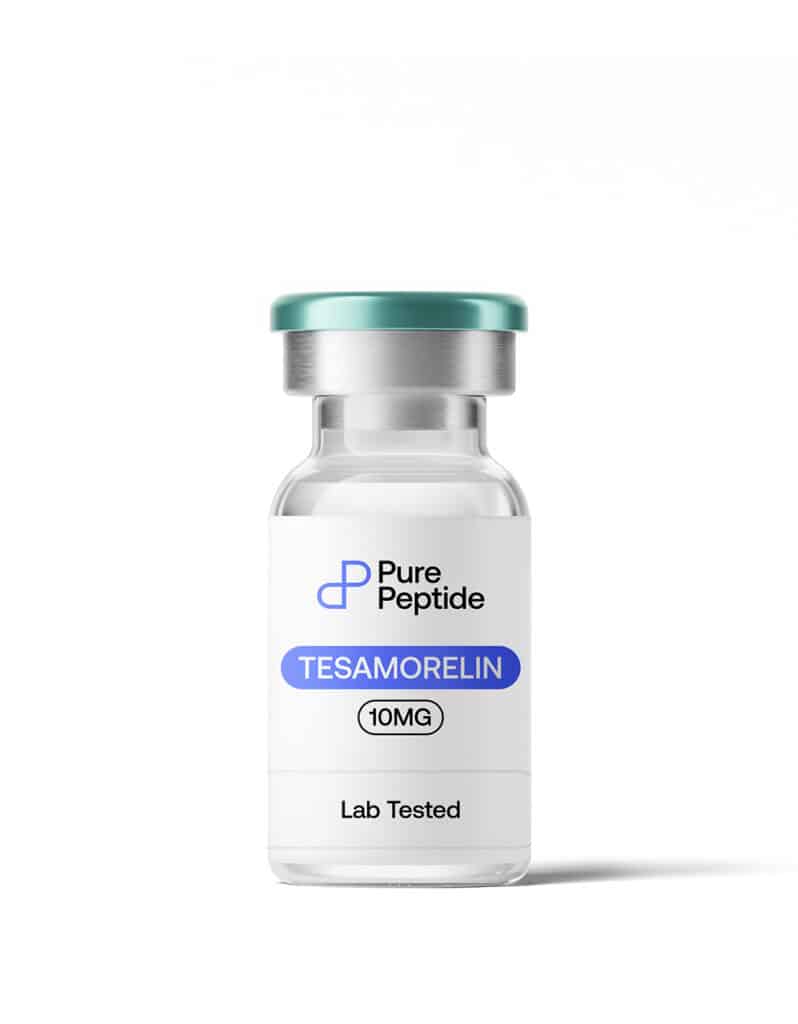
High-quality lyophilized peptides typically appear as fine, white to off-white powder forming a compact cake at the vial bottom. Discoloration, clumping, or crystallization may indicate degradation or manufacturing issues. Clear reconstituted solutions suggest proper formulation, while cloudiness or particles raise concerns about contamination or incomplete purification.
Documentation and Transparency
Comprehensive product documentation separates professional suppliers from questionable sources. Each peptide should include:
- Batch numbers for traceability
- Manufacturing and expiration dates for freshness verification
- Storage instructions specifying temperature requirements
- Reconstitution guidelines with appropriate bacteriostatic water ratios
- Certificates of analysis from independent laboratories
Suppliers who provide detailed information demonstrate confidence in their products and commitment to customer safety. The availability of certificates of analysis allows verification of purity claims through objective laboratory data.
Research Resources and Evidence Evaluation
The expanding peptide research landscape provides valuable insights for informed decision-making. Multiple platforms aggregate scientific studies, making it easier to evaluate evidence supporting specific peptides. When conducting a Soma Peptide review, consulting these resources helps separate marketing claims from documented scientific findings.
PepHub continuously tracks new peptide studies, mapping findings to structured datasets that facilitate research quality assessment. Their tools enable users to monitor emerging evidence and identify well-supported compounds versus those lacking rigorous scientific validation.
Understanding Research Quality
Not all studies carry equal weight when evaluating peptide efficacy. Consider these factors when reviewing scientific evidence:
- Study design: Randomized controlled trials provide stronger evidence than observational studies
- Sample size: Larger participant groups increase statistical reliability
- Publication venue: Peer-reviewed journals maintain higher standards than preprint servers
- Funding sources: Independent research reduces conflict-of-interest concerns
- Replication: Multiple studies reaching similar conclusions strengthen confidence
Platforms like Pepdox aggregate peer-reviewed studies with plain-language summaries, making complex research accessible to non-scientists while maintaining scientific accuracy.
Regulatory Landscape and Compliance
The regulatory status of peptides varies significantly across jurisdictions and compound types. Some peptides carry FDA approval for specific medical indications, while others remain available exclusively for research purposes. Understanding this landscape proves essential when conducting a Soma Peptide review.
FDA-approved peptides undergo rigorous clinical trials demonstrating safety and efficacy for designated uses. These compounds meet the highest regulatory standards and come with comprehensive prescribing information. Research peptides, conversely, are designated for laboratory investigation rather than human consumption, though they may share chemical structures with approved medications.
Legal Considerations
Suppliers operating within legal frameworks clearly label products according to their regulatory status and intended use. Red flags include:
- Making therapeutic claims for research-grade compounds
- Failing to specify "for research purposes only" when applicable
- Misrepresenting regulatory approval status
- Avoiding standard pharmaceutical labeling requirements
Responsible suppliers provide accurate regulatory information without exaggerating approval status or making unsupported health claims. Resources like RETA Research maintain transparent documentation linking peptide claims to peer-reviewed evidence while clearly noting regulatory context.
Pricing Analysis and Value Assessment
Price points vary dramatically across peptide suppliers, reflecting differences in purity, sourcing, and business practices. This Soma Peptide review examines how to evaluate value beyond simple cost comparisons.
Extremely low prices often indicate compromised quality. Sophisticated purification processes, rigorous testing protocols, and pharmaceutical-grade manufacturing facilities require substantial investment. Suppliers offering prices significantly below market averages may cut corners through:
- Lower purity standards
- Inadequate testing procedures
- Questionable manufacturing conditions
- Diluted or misrepresented products
Conversely, premium pricing should correlate with verifiable quality indicators. Justifiable price premiums reflect investments in advanced purification technology, comprehensive third-party testing, and superior handling protocols.
| Price Tier | Typical Characteristics | Testing Transparency | Recommended Use |
|---|---|---|---|
| Budget | 90-95% purity, minimal documentation | Limited or no COAs | Research screening only |
| Mid-Range | 95-98% purity, basic testing | Periodic COAs available | General research applications |
| Premium | 98%+ purity, comprehensive testing | COAs for every batch | Critical research, therapeutic consideration |
Customer Support and Educational Resources
Superior peptide suppliers extend their commitment to quality beyond products themselves, offering educational resources and responsive customer support. When performing a Soma Peptide review, evaluate whether companies invest in customer education through detailed product information, usage guidelines, and scientific references.
Knowledgeable support teams should answer technical questions about storage, reconstitution, and research applications. They should provide guidance on selecting appropriate compounds for specific research goals while maintaining appropriate boundaries regarding therapeutic claims.
Educational Content Quality
High-quality suppliers often maintain informational resources covering:
- Detailed peptide profiles with mechanism explanations
- Storage and handling best practices
- Reconstitution protocols and calculations
- Research summaries citing peer-reviewed sources
- Safety considerations and interaction potentials
Comprehensive guides about topics like best peptides to increase testosterone demonstrate commitment to informed decision-making rather than simply pushing products. Educational content should cite scientific sources and acknowledge knowledge gaps rather than making absolute claims.

Advanced Quality Verification Methods
Beyond standard purity testing, sophisticated analytical techniques provide deeper insights into peptide quality and authenticity. When conducting an in-depth Soma Peptide review, understanding these advanced methods helps appreciate the rigor separating premium suppliers from basic operations.
Nuclear magnetic resonance (NMR) spectroscopy provides detailed structural information by analyzing how peptide molecules respond to magnetic fields. This technique confirms not just the presence of amino acids but their exact sequence and spatial arrangement. TitrateLab’s research compilation includes studies utilizing NMR among other advanced analytical methods, demonstrating the depth of scientific investigation possible with modern peptide analysis.
Contamination Screening
Comprehensive quality control extends beyond verifying the target peptide to screening for potential contaminants. Premium testing protocols evaluate:
- Bacterial endotoxins that trigger inflammatory responses
- Heavy metals including lead, mercury, and arsenic
- Residual solvents from manufacturing processes
- Related peptide impurities from incomplete synthesis
- Degradation products indicating storage or handling issues
The Peptipedia database integrates information from thirty databases, creating the largest repository of peptides with recorded activities and helping researchers understand potential contaminants and their impacts on peptide function.
Manufacturing Transparency and Traceability
Complete supply chain transparency enables verification of peptide origins and manufacturing conditions. This Soma Peptide review emphasizes the importance of understanding where and how peptides are produced, not just their final purity specifications.
Reputable suppliers maintain relationships with established manufacturing facilities in regions with strong pharmaceutical oversight. Common manufacturing locations include the United States, European Union nations with robust pharmaceutical regulations, and certified facilities in other countries meeting international standards.
Batch Traceability Systems
Comprehensive traceability systems track peptides from raw materials through final delivery:
- Raw material sourcing with supplier certification
- Synthesis documentation recording each production step
- Purification logs detailing HPLC runs and yield data
- Quality testing results from multiple verification points
- Packaging and shipping records maintaining cold chain integrity
This documentation creates accountability at every production stage. When issues arise, robust traceability enables rapid identification of affected batches and implementation of corrective measures.
Emerging Peptide Research and Innovation
The peptide field continues evolving rapidly, with new compounds entering research pipelines and existing peptides finding novel applications. Staying current with emerging research helps identify promising compounds before they become mainstream.
Recent innovations include peptide modifications that enhance stability, improve bioavailability, or extend duration of action. Pegylation, acetylation, and other chemical modifications can significantly alter peptide pharmacokinetics without compromising core mechanisms. Resources like CatchPeptides maintain current research indexes covering emerging peptide modifications and their impacts on efficacy and safety profiles.
Multi-Peptide Formulations
Strategic peptide combinations leverage complementary mechanisms to achieve synergistic effects. Rather than using single compounds, blended formulations address multiple pathways simultaneously. This approach mirrors pharmaceutical trends toward combination therapies that target disease processes through multiple mechanisms.
Well-designed peptide blends consider:
- Mechanism compatibility ensuring pathways complement rather than interfere
- Dosing ratios optimized for synergistic effects
- Stability considerations when combining compounds in solution
- Research support documenting combination benefits versus individual peptides
Exploring comprehensive peptide selections at Soma Peptide reveals how strategic formulations combine proven compounds for enhanced outcomes across various applications.
Storage Optimization and Longevity
Proper storage practices preserve peptide integrity and extend usable lifespan. This Soma Peptide review section addresses optimal storage conditions for both lyophilized and reconstituted peptides.
Lyophilized peptides remain stable for extended periods when stored correctly. Recommended conditions include:
- Temperature: -20°C to -80°C for long-term storage, 2°C to 8°C for short-term
- Protection from light using amber vials or foil wrapping
- Desiccant packets to control moisture exposure
- Vacuum-sealed containers preventing oxidation
Reconstituted peptides have significantly shorter stability windows, typically ranging from days to weeks depending on the specific compound and storage conditions. Bacteriostatic water extends stability compared to sterile water by preventing bacterial growth, though it doesn't eliminate degradation from other mechanisms.
Degradation Indicators
Monitor stored peptides for signs of degradation:
- Color changes from white/off-white to yellow or brown
- Precipitation or particle formation in solution
- Increased viscosity or gel formation
- Off odors suggesting bacterial contamination
- Reduced effectiveness in research applications
When degradation occurs, safe disposal following hazardous waste protocols protects both individuals and the environment. Never attempt to use visibly degraded peptides, as decomposition products may introduce unwanted variables into research protocols.
Quality Assurance Beyond Testing
While laboratory testing provides essential quality verification, comprehensive quality assurance encompasses broader operational practices. Superior suppliers implement quality management systems governing all business aspects, from vendor selection through customer service.
ISO certification demonstrates commitment to international quality standards. ISO 9001 certification indicates robust quality management systems, while ISO 13485 applies specifically to medical devices and related products. These certifications require regular audits by independent assessors, ensuring ongoing compliance with established standards.
Documentation practices reflect quality culture. Well-organized suppliers maintain detailed records enabling rapid retrieval of batch information, testing results, and manufacturing details. This documentation supports regulatory compliance, facilitates problem resolution, and provides customers with confidence in product authenticity.
Continuous improvement programs identify opportunities for enhanced quality, efficiency, and customer satisfaction. Leading suppliers regularly review processes, incorporate new technologies, and adapt to evolving industry standards rather than maintaining static operations.
Selection Criteria Summary
This comprehensive Soma Peptide review has examined multiple dimensions of peptide quality, supplier evaluation, and informed selection. When choosing peptide sources, prioritize suppliers demonstrating:
- Consistent purity levels of 98% or higher verified through third-party testing
- Transparent provision of certificates of analysis for every batch
- Documented manufacturing partnerships with certified facilities
- Comprehensive product information including storage and handling guidelines
- Responsive customer support with technical knowledge
- Educational resources citing peer-reviewed research
- Appropriate regulatory compliance and accurate product labeling
- Quality management systems ensuring consistency across operations
By applying these criteria systematically, researchers and health-conscious individuals can identify reliable peptide sources delivering genuine, high-quality compounds that meet rigorous pharmaceutical standards.
Selecting premium peptides requires understanding quality standards, verification methods, and supplier credentials that distinguish professional operations from questionable sources. This Soma Peptide review has outlined the critical factors ensuring you receive authentic, pharmaceutical-grade compounds that deliver intended results. When you're ready to experience the difference that rigorous quality control and advanced purification methods make, Soma Peptide offers an extensive selection of premium peptides backed by comprehensive testing, transparent documentation, and unwavering commitment to purity and efficacy.