



In the evolving landscape of skincare and cosmetic peptides, tetrapeptide 30 has emerged as a powerful solution for addressing hyperpigmentation and uneven skin tone. This synthetic peptide demonstrates remarkable efficacy in reducing dark spots, melasma, and other forms of skin discoloration while offering anti-inflammatory properties that benefit sensitive skin. Understanding the science behind this peptide and its applications can help consumers and practitioners make informed decisions about incorporating it into skincare regimens.
Understanding Tetrapeptide 30 Structure and Composition
Tetrapeptide 30 is a synthetic peptide composed of four amino acids arranged in a specific sequence to deliver targeted skin-brightening effects. The molecular structure enables this compound to interact with cellular communication pathways that regulate melanin production and inflammatory responses.
The peptide's design focuses on mimicking natural biological processes while enhancing specific outcomes related to skin tone correction. Unlike larger peptides that may have difficulty penetrating the skin barrier, the compact structure of tetrapeptide 30 facilitates better absorption into the epidermis where pigmentation concerns originate.
Chemical Properties and Stability
This tetrapeptide demonstrates excellent stability in cosmetic formulations across various pH ranges. The stability profile makes it compatible with numerous skincare ingredients, allowing formulators to create comprehensive products that address multiple skin concerns simultaneously.
Key stability characteristics include:
- Resistance to degradation in aqueous solutions
- Compatibility with antioxidants and other peptides
- Maintenance of efficacy across temperature variations
- Extended shelf life in properly formulated products
The robust chemical properties ensure that tetrapeptide 30 maintains its brightening capabilities throughout the product's lifespan, delivering consistent results to users.
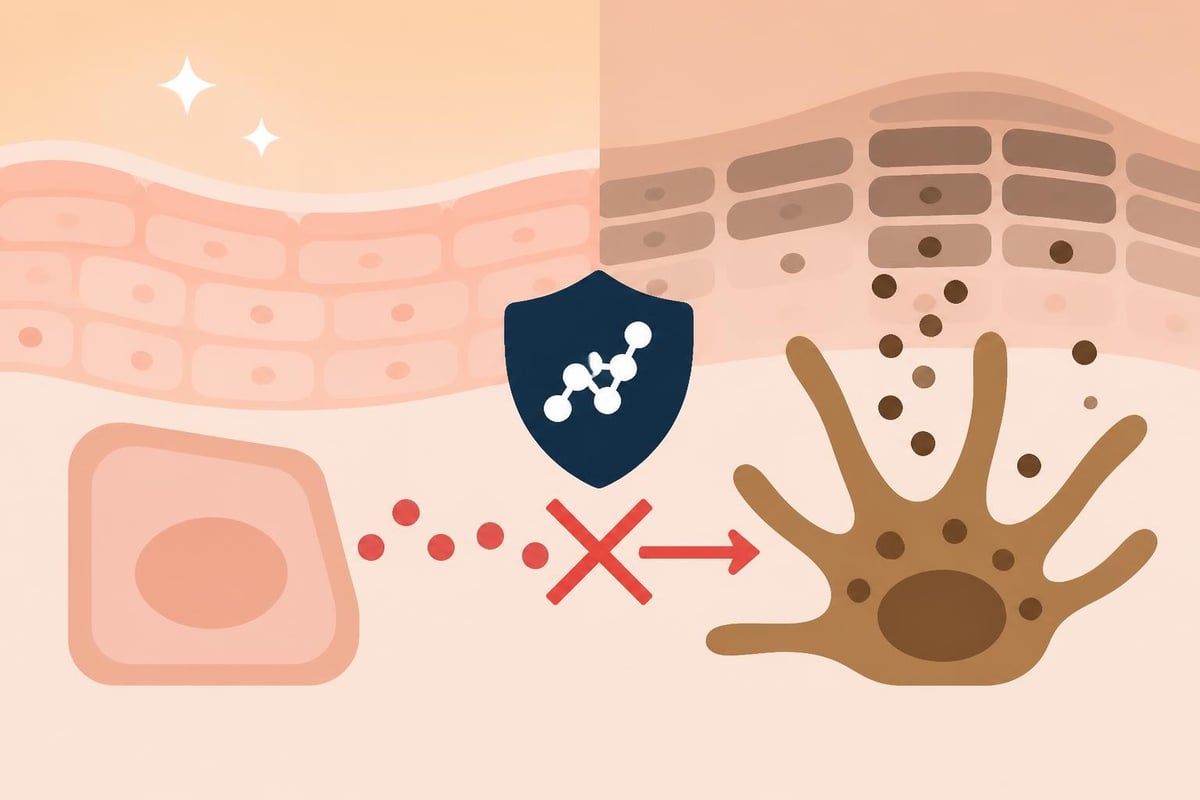
Mechanism of Action in Skin Brightening
The primary function of tetrapeptide 30 centers on its ability to interrupt the cellular communication that triggers excessive melanin production. This peptide works through a dual-action mechanism that addresses both the inflammatory component and the enzymatic pathways involved in hyperpigmentation.
Inflammatory Pathway Inhibition
Keratinocytes, the predominant cells in the epidermis, release inflammatory mediators when exposed to UV radiation, physical trauma, or hormonal fluctuations. These inflammatory signals activate melanocytes, the cells responsible for producing melanin. Tetrapeptide 30 intervenes in this communication cascade by reducing the release of pro-inflammatory cytokines from keratinocytes.
By suppressing inflammatory signals, the peptide prevents the unnecessary activation of melanocytes that would otherwise lead to localized hyperpigmentation. This mechanism proves particularly valuable for treating post-inflammatory hyperpigmentation (PIH), a common concern following acne, injuries, or cosmetic procedures.
Tyrosinase Activity Modulation
Beyond inflammatory control, tetrapeptide 30 inhibits tyrosinase, the rate-limiting enzyme in melanin synthesis. Tyrosinase catalyzes the conversion of tyrosine to DOPA and subsequently to dopaquinone, precursors in the melanin production pathway.
The peptide's interaction with this enzymatic process occurs at the cellular level, where it reduces the activation of tyrosinase without completely blocking melanin production. This selective inhibition helps maintain healthy baseline pigmentation while preventing the formation of unwanted dark spots.
| Mechanism | Target | Result |
|---|---|---|
| Anti-inflammatory | Keratinocyte cytokines | Reduced melanocyte activation |
| Enzymatic inhibition | Tyrosinase enzyme | Decreased melanin synthesis |
| Communication blocking | Cell-to-cell signaling | Prevention of hyperpigmentation |
Clinical Applications and Efficacy
Research demonstrates that tetrapeptide 30 delivers measurable improvements in skin brightness and tone uniformity across diverse populations. Clinical studies have evaluated its performance on different skin types, including those prone to melasma and age spots.
In controlled trials, formulations containing tetrapeptide 30 showed significant reduction in dark spot intensity after 8-12 weeks of consistent application. Participants reported visible improvements in overall skin radiance and reduction in the appearance of uneven pigmentation.
Comparison with Traditional Brightening Agents
Traditional skin brightening ingredients such as hydroquinone have faced regulatory restrictions and safety concerns in various markets. Tetrapeptide 30 offers a gentler alternative with a favorable safety profile that makes it suitable for long-term use.
Advantages over conventional brighteners:
- Lower risk of irritation and sensitization
- No regulatory restrictions in most jurisdictions
- Compatible with sensitive skin formulations
- Minimal photosensitivity concerns
- Effective across multiple skin tones
The peptide’s anti-inflammatory properties complement its brightening effects, making it particularly valuable for individuals with reactive or sensitive skin who cannot tolerate more aggressive treatments.
Optimal Usage Protocols
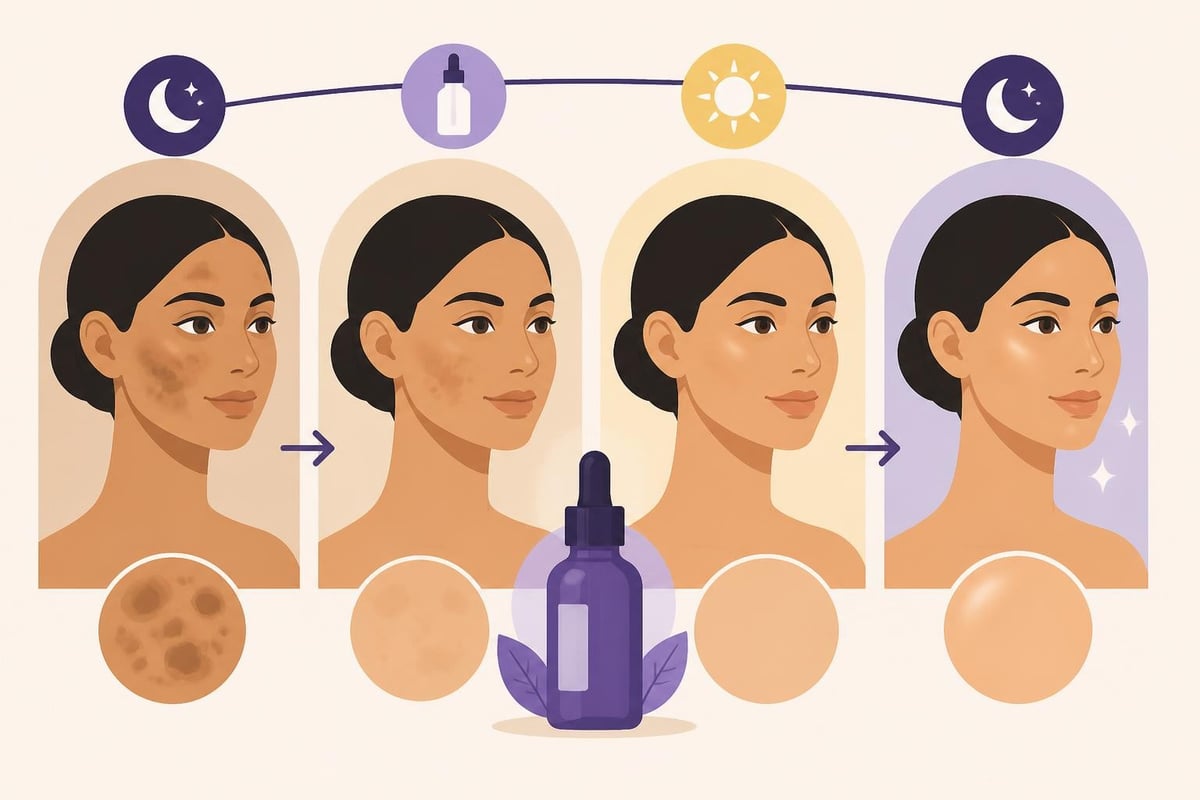
For maximum efficacy, tetrapeptide 30 should be incorporated into daily skincare routines with consistent application. Morning and evening use allows the peptide to maintain steady activity in targeting pigmentation pathways throughout the day and during the skin's nighttime repair cycle.
Formulations typically contain concentrations ranging from 0.5% to 2%, with higher concentrations reserved for targeted treatment products. The peptide works synergistically with other brightening ingredients such as niacinamide, vitamin C, and alpha arbutin when properly formulated.
Formulation Considerations and Product Types
The versatility of tetrapeptide 30 allows its incorporation into various skincare product formats, each offering distinct benefits depending on application method and additional ingredients.
Serum and Treatment Formulations
Serums represent the most concentrated delivery system for tetrapeptide 30, allowing higher peptide concentrations in lightweight, fast-absorbing bases. These formulations penetrate efficiently and deliver active ingredients directly to target areas without heavy emollients that might impede absorption.
Treatment serums often combine tetrapeptide 30 with complementary actives such as hyaluronic acid for hydration, antioxidants for environmental protection, and additional peptides for comprehensive anti-aging benefits. This multi-functional approach addresses pigmentation while supporting overall skin health.
Moisturizers and Daily Care Products
Incorporating tetrapeptide 30 into daily moisturizers ensures consistent exposure to the brightening peptide while maintaining skin barrier function. These formulations balance active ingredient delivery with hydration and protection, making them ideal for long-term maintenance of even skin tone.
The emollient base of moisturizers also helps mitigate any potential dryness that might occur with more aggressive brightening treatments, ensuring comfortable daily use.
| Product Type | Typical Concentration | Primary Benefits | Best For |
|---|---|---|---|
| Serums | 1-2% | Maximum potency, targeted treatment | Active hyperpigmentation |
| Moisturizers | 0.5-1% | Daily maintenance, hydration | Prevention and maintenance |
| Eye creams | 0.5-1% | Periorbital brightening | Dark circles, fine lines |
| Spot treatments | 1.5-2% | Intensive correction | Stubborn dark spots |
Safety Profile and Contraindications
The safety record of tetrapeptide 30 demonstrates its suitability for widespread cosmetic use with minimal adverse effects. Unlike some traditional brightening agents, this peptide shows excellent tolerability across different skin types and ethnicities.
Dermatological Testing Results
Comprehensive dermatological testing has evaluated tetrapeptide 30 for potential irritation, sensitization, and phototoxicity. Results consistently show that the peptide functions as a gentle skin brightener with low incidence of adverse reactions.
Patch testing protocols conducted on diverse subject groups revealed no significant instances of contact dermatitis or allergic responses at cosmetically relevant concentrations. This favorable profile makes tetrapeptide 30 appropriate for inclusion in products marketed for sensitive skin.
Considerations for Specific Populations
While generally safe for broad use, certain populations should exercise appropriate caution when introducing any new active ingredient. Pregnant and nursing individuals should consult healthcare providers before beginning new skincare treatments, though topical peptides typically present minimal systemic absorption concerns.
Individuals with active skin conditions such as eczema or rosacea should introduce tetrapeptide 30 gradually to assess individual tolerance, despite its anti-inflammatory properties potentially offering benefits for these conditions.
Best practices for safe use:
- Conduct patch testing before full-face application
- Introduce gradually into existing routines
- Monitor for any unusual reactions during initial weeks
- Combine with appropriate sun protection
- Avoid mixing with incompatible acids without professional guidance
For those interested in exploring premium quality peptides for various wellness applications, understanding proper safety protocols ensures optimal results while minimizing risks.
Synergistic Combinations and Complementary Ingredients
The effectiveness of tetrapeptide 30 amplifies when combined with complementary brightening and anti-aging ingredients that target pigmentation through different mechanisms. Strategic formulation design maximizes results while maintaining skin health and barrier integrity.
Peptide Combinations for Enhanced Results
Pairing tetrapeptide 30 with other peptides creates multi-functional formulations that address various aspects of skin aging and damage. For example, combining it with copper peptides supports skin regeneration while brightening occurs, promoting overall skin quality improvement.
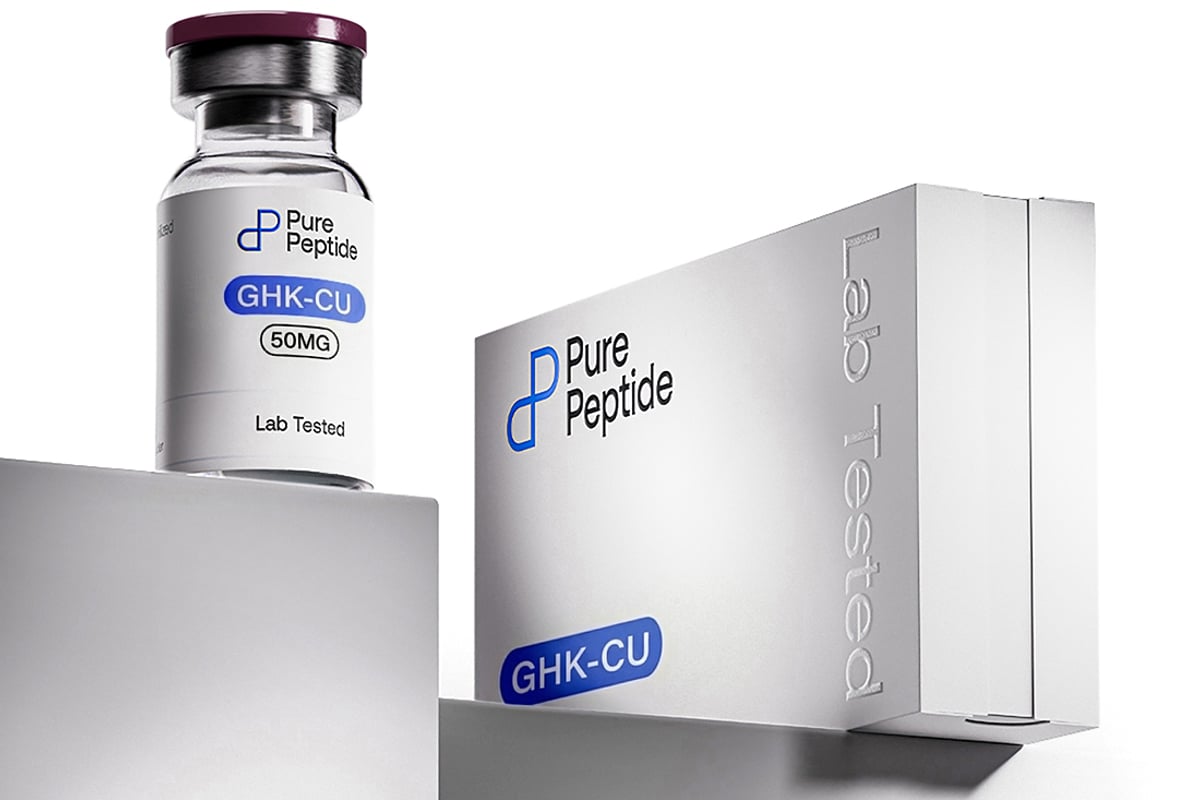
While tetrapeptide 30 focuses specifically on pigmentation, peptides like GHK-Cu work through different pathways to enhance collagen production and tissue repair. This complementary approach delivers comprehensive skin rejuvenation beyond simple tone correction.
Antioxidant and Vitamin Partnerships
Antioxidants such as vitamin C, vitamin E, and ferulic acid complement tetrapeptide 30 by neutralizing free radicals that contribute to oxidative stress and subsequent pigmentation. Vitamin C additionally inhibits melanin synthesis through separate pathways, creating additive brightening effects.
Niacinamide (vitamin B3) represents an particularly effective partner, as it reduces inflammatory responses and interferes with melanosome transfer from melanocytes to keratinocytes. The combination addresses multiple steps in the pigmentation process for superior outcomes.
Manufacturing Standards and Quality Considerations
The efficacy of tetrapeptide 30 depends significantly on manufacturing quality and purity standards. Advanced synthesis techniques and rigorous quality control ensure that the peptide maintains its intended structure and biological activity.
Synthesis and Purification Methods
Modern peptide synthesis employs solid-phase peptide synthesis (SPPS) techniques that allow precise control over amino acid sequence and chain length. This method ensures consistency across production batches and minimizes the presence of truncated or incorrect sequences that would reduce efficacy.
Following synthesis, multiple purification steps remove impurities, salts, and synthesis byproducts. High-performance liquid chromatography (HPLC) confirms purity levels, with pharmaceutical-grade tetrapeptide 30 typically exceeding 95% purity.
Quality Verification and Testing
Reputable suppliers implement comprehensive testing protocols to verify peptide identity, purity, and biological activity. Mass spectrometry confirms molecular weight and structure, while functional assays verify that the peptide performs its intended biological functions.
Essential quality parameters:
- Purity level (minimum 95% for cosmetic applications)
- Molecular weight confirmation via mass spectrometry
- Amino acid sequence verification
- Microbial contamination testing
- Endotoxin level assessment
- Stability under storage conditions
These stringent standards ensure that formulations containing tetrapeptide 30 deliver consistent results, making quality verification essential when evaluating suppliers or finished products.
Regulatory Status and Global Acceptance
Tetrapeptide 30 enjoys broad regulatory acceptance across major cosmetic markets, facilitating its inclusion in products distributed internationally. Understanding the regulatory landscape helps manufacturers and consumers navigate compliance requirements and market access.
Cosmetic Ingredient Approvals
In the European Union, tetrapeptide 30 appears in cosmetic formulations without specific restrictions under the Cosmetics Regulation (EC) No 1223/2009, provided that products meet general safety requirements. The United States FDA does not specifically regulate cosmetic peptides as drugs when marketed for cosmetic purposes, allowing their use in over-the-counter skincare products.
Asian markets, including Japan, South Korea, and China, permit tetrapeptide 30 in cosmetic formulations, though China requires specific registration processes for imported products. The peptide's favorable safety profile supports its acceptance across these diverse regulatory frameworks.
Labeling and Claims Compliance
While tetrapeptide 30 can be marketed for its brightening and tone-evening properties, manufacturers must ensure that product claims remain within cosmetic boundaries. Claims suggesting treatment of medical conditions such as melasma or prevention of skin cancer would trigger drug classification, requiring different regulatory pathways.
Acceptable cosmetic claims focus on improving appearance, such as "reduces the appearance of dark spots," "evens skin tone," and "brightens complexion." These statements communicate benefits without crossing into therapeutic territory.
Future Directions and Research Opportunities
Ongoing research continues to explore additional applications and optimization strategies for tetrapeptide 30 beyond its established brightening effects. Emerging studies investigate its potential in combination therapies and novel delivery systems that could enhance penetration and efficacy.
Advanced Delivery Technologies
Encapsulation technologies such as liposomes, niosomes, and lipid nanoparticles offer promising avenues for improving tetrapeptide 30 delivery to target skin layers. These systems protect the peptide from degradation and facilitate controlled release, potentially extending activity duration and reducing required application frequency.
Microneedling and iontophoresis represent physical enhancement methods that could drive deeper peptide penetration for more intensive treatment of stubborn hyperpigmentation. Professional treatments combining these modalities with tetrapeptide 30 may deliver accelerated results compared to topical application alone.
Expanded Application Research
Preliminary investigations suggest potential applications for tetrapeptide 30 beyond facial hyperpigmentation, including body skin brightening and addressing pigmentation concerns in areas prone to friction-induced darkening. Research into these expanded uses could broaden the peptide's market applications.
Studies examining tetrapeptide 30's effects on various forms of hyperpigmentation, including solar lentigines, post-inflammatory hyperpigmentation from different causes, and hormonal pigmentation, continue to build the evidence base for specific treatment protocols.
For individuals seeking comprehensive information about peptide applications and quality standards, resources such as the Soma Peptide blog provide valuable educational content on emerging research and best practices.
Integration into Comprehensive Skincare Programs
Maximizing tetrapeptide 30's benefits requires integration into thoughtfully designed skincare routines that support overall skin health while targeting specific pigmentation concerns. A holistic approach addresses multiple factors contributing to uneven skin tone.
Essential Supporting Elements
Sun protection represents the most critical component of any brightening regimen. Daily broad-spectrum SPF 30 or higher prevents new pigmentation formation while allowing tetrapeptide 30 to address existing discoloration. Without adequate sun protection, even the most effective brightening treatments cannot deliver lasting results.
Gentle exfoliation through chemical exfoliants like alpha-hydroxy acids or beta-hydroxy acids supports tetrapeptide 30's effects by removing surface pigmentation and improving penetration of active ingredients. However, moderation prevents over-exfoliation that could trigger inflammatory hyperpigmentation.
Layering and Application Sequence
Proper product layering ensures that tetrapeptide 30 formulations reach the skin effectively without interference from incompatible ingredients or occlusive barriers. The general principle of applying products from thinnest to thickest consistency guides appropriate sequencing.
Recommended application order:
- Cleanser (morning and evening)
- Toner or essence (optional)
- Tetrapeptide 30 serum or treatment
- Additional serums or treatments
- Moisturizer
- Sunscreen (morning only)
- Makeup (if desired)
Waiting 1-2 minutes between product applications allows adequate absorption before adding the next layer, maximizing the efficacy of each component in the routine.
Patient Education and Expectation Management
Educating users about realistic timelines and expected outcomes ensures satisfaction with tetrapeptide 30 treatments. While this peptide delivers measurable results, understanding that skin brightening occurs gradually helps maintain compliance with treatment protocols.
Timeline for Visible Results
Most users observe initial improvements in overall skin radiance and brightness within 4-6 weeks of consistent use. More significant reduction in dark spot intensity typically becomes apparent after 8-12 weeks, with continued improvement through 6 months of sustained application.
Individual response varies based on factors including hyperpigmentation severity, skin type, overall skincare routine quality, and sun protection habits. Deeper, more established pigmentation requires longer treatment durations than recent post-inflammatory hyperpigmentation.
Maintenance Protocols
After achieving desired brightening results, maintenance protocols help preserve improvements and prevent new pigmentation formation. Continuing tetrapeptide 30 use at reduced frequency, such as alternating days or shifting to lower concentration maintenance products, sustains results while allowing routine simplification.
Ongoing sun protection and healthy skin practices remain essential components of maintenance, as environmental factors continually challenge skin tone uniformity. Those interested in exploring comprehensive peptide options for various wellness goals can visit the Soma Peptide shop to discover additional products supporting overall health objectives.
Tetrapeptide 30 represents a scientifically validated approach to addressing hyperpigmentation through dual-action inflammatory and enzymatic pathways, offering a safe and effective alternative to traditional brightening agents. Its excellent safety profile, regulatory acceptance, and proven efficacy make it a valuable addition to modern skincare formulations targeting uneven skin tone. Whether you're seeking to understand peptide science or explore premium quality compounds for your wellness journey, Soma Peptide provides rigorously tested products backed by advanced purification methods and stringent quality control standards to support your health and aesthetic goals.