
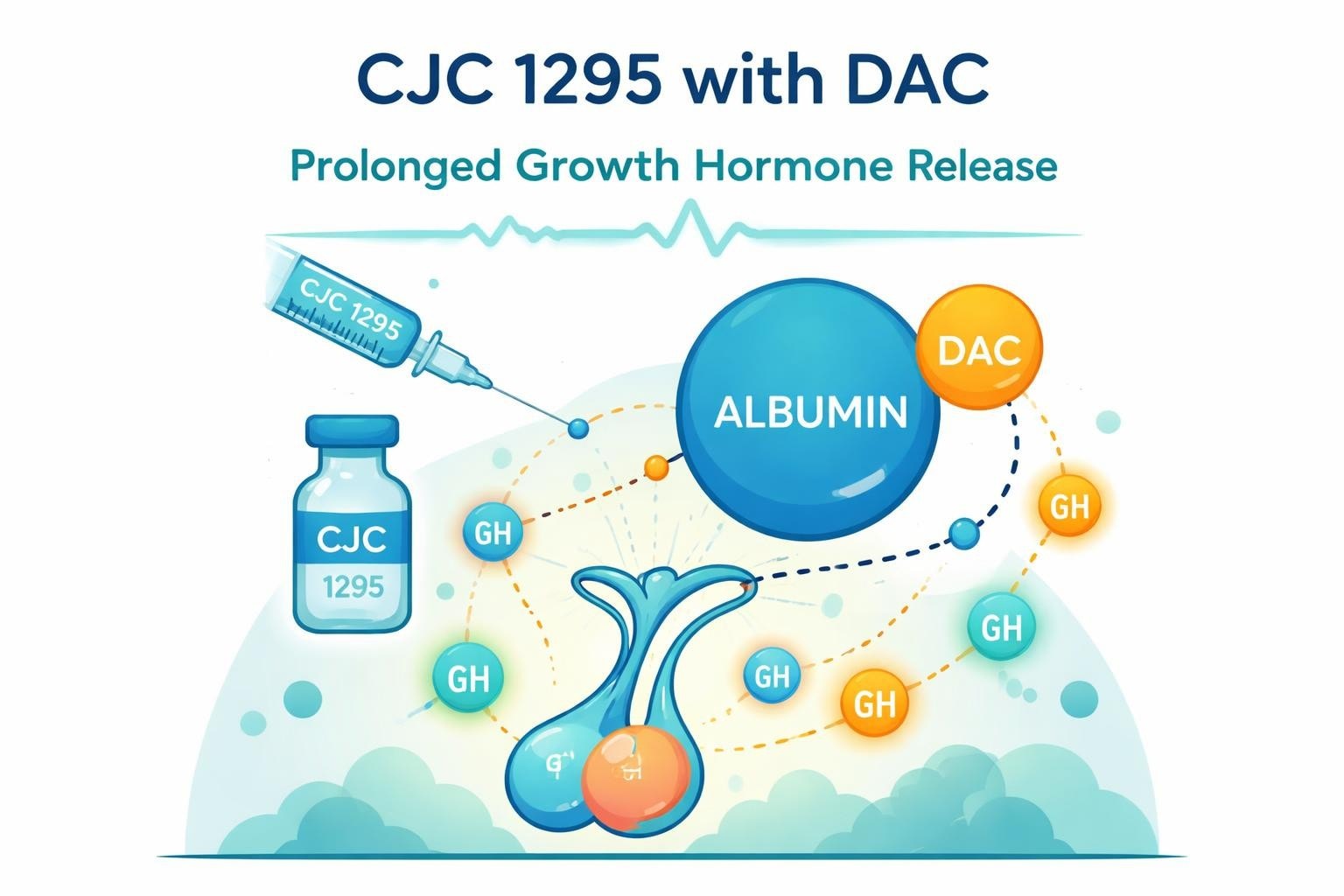
Growth hormone optimization has become a cornerstone of modern peptide therapy, with researchers and wellness enthusiasts continually seeking compounds that deliver sustained results. Among the most discussed peptides in this category is cjc 1295 with dac, a modified growth hormone-releasing hormone analog designed to extend the body's natural growth hormone pulses. This compound stands apart from other peptide formulations due to its unique chemical modification, which significantly alters how long it remains active in the body. Understanding the science behind this peptide, its practical applications, and how it compares to other variants helps individuals make informed decisions about their wellness protocols.
Understanding the Science Behind CJC 1295 With DAC
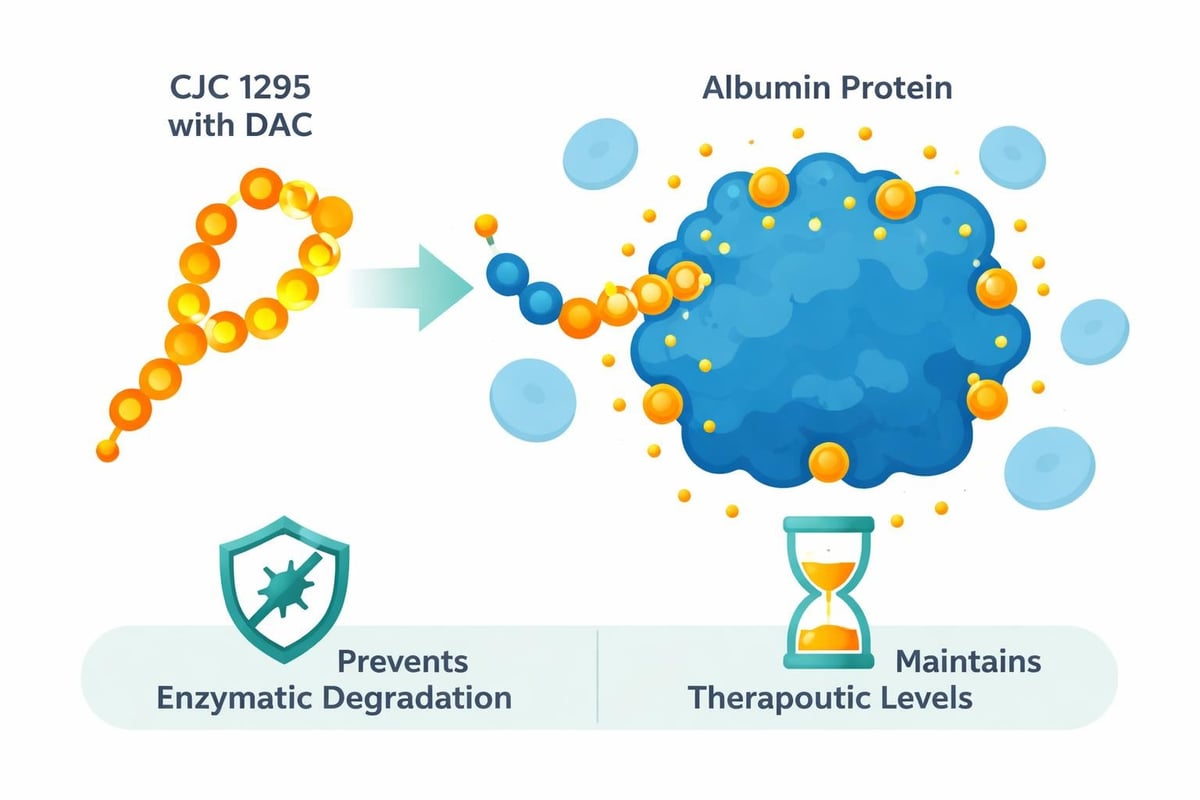
The foundation of cjc 1295 with dac lies in its chemical structure, specifically the Drug Affinity Complex modification that defines its behavior in the human body. Originally developed by ConjuChem Biotechnologies, this peptide represents a significant advancement in growth hormone-releasing hormone (GHRH) analog technology. The DAC component consists of a reactive chemical group that binds to albumin, the most abundant protein in blood plasma.
How the DAC Modification Works
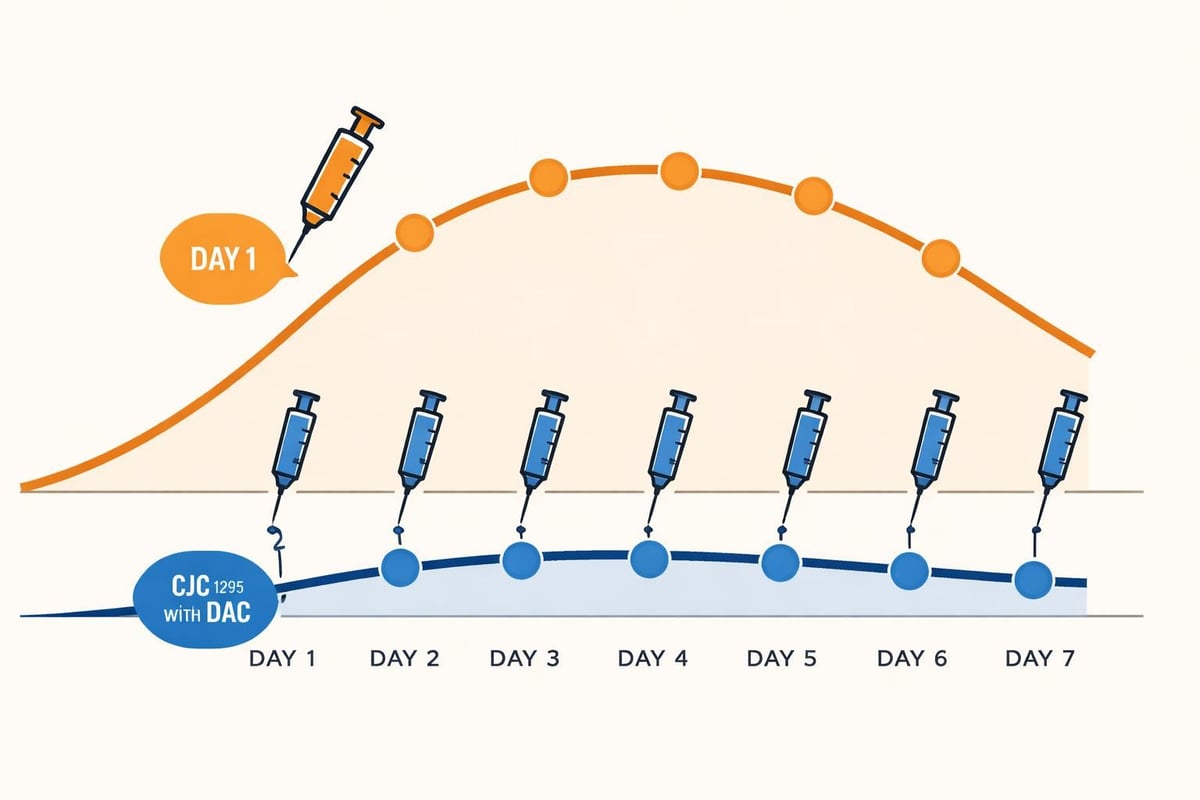
This binding mechanism creates a reservoir effect that fundamentally changes the peptide's pharmacokinetics. When cjc 1295 with dac enters the bloodstream, it quickly attaches to albumin molecules, creating a stable complex that circulates throughout the body. This attachment protects the peptide from rapid degradation and clearance, extending its half-life from minutes to approximately six to eight days.
The extended half-life translates to sustained growth hormone release over several days rather than hours. Traditional GHRH analogs face rapid enzymatic breakdown, requiring multiple daily administrations to maintain therapeutic levels. The DAC modification eliminates this limitation entirely.
Key advantages of the DAC modification include:
- Prolonged circulation time in the bloodstream
- Reduced injection frequency requirements
- Consistent growth hormone elevation
- Improved patient compliance and convenience
- Stable plasma concentrations over extended periods
Mechanisms of Action and Physiological Effects
The primary function of cjc 1295 with dac centers on stimulating the pituitary gland to increase growth hormone production. Unlike synthetic growth hormone injections that directly introduce the hormone into the body, this peptide works through the body's natural regulatory pathways. By mimicking the action of endogenous GHRH, it encourages the pituitary to release more growth hormone in a pulsatile pattern that mirrors natural physiology.
This approach offers several theoretical advantages over direct hormone replacement. The pulsatile release pattern preserves the body's natural feedback mechanisms, potentially reducing the risk of receptor desensitization. Additionally, increased growth hormone secretion stimulates the liver to produce insulin-like growth factor 1 (IGF-1), which mediates many of growth hormone's effects on tissue growth and metabolism.
Biological Pathways Activated
Research documented in clinical studies on CJC-1295 demonstrates multiple downstream effects from sustained growth hormone elevation. These pathways influence protein synthesis, lipolysis, glucose metabolism, and cellular repair processes throughout the body.
| Biological System | Observed Effects | Timeframe |
|---|---|---|
| Protein Metabolism | Enhanced synthesis, reduced breakdown | 2-4 weeks |
| Fat Metabolism | Increased lipolysis, improved body composition | 4-8 weeks |
| Bone Density | Stimulated osteoblast activity | 12+ weeks |
| Recovery Processes | Accelerated tissue repair mechanisms | 1-3 weeks |
The molecular structure and chemical modifications play crucial roles in determining these outcomes. The tetrasubstituted amino acid sequence combined with the DAC group creates a compound resistant to dipeptidyl peptidase-IV degradation, one of the primary enzymes responsible for breaking down natural GHRH.
Practical Applications and Usage Protocols
Individuals considering cjc 1295 with dac for wellness purposes typically focus on several primary objectives. These include supporting lean muscle development, optimizing body composition, enhancing recovery from physical stress, and addressing age-related declines in growth hormone production. Each application requires understanding proper dosing strategies and realistic timeframe expectations.
Standard Dosing Protocols
The extended half-life of cjc 1295 with dac fundamentally changes administration schedules compared to no-DAC variants. Most protocols involve weekly or twice-weekly injections, with dosages typically ranging from 1-2 mg per administration. This contrasts sharply with daily protocols required for peptides lacking the DAC modification.
Typical administration guidelines include:
- Initial Assessment Phase: Begin with lower dosages to assess individual tolerance and response
- Loading Period: First 4-6 weeks establish baseline elevation of growth hormone levels
- Maintenance Protocol: Ongoing weekly administrations maintain consistent therapeutic levels
- Cycle Duration: Most protocols run 12-16 weeks with periodic breaks
- Monitoring Approach: Regular assessment of response markers and adjustment as needed
Storage considerations outlined in dosing protocols and safety guidelines emphasize maintaining peptide stability. Lyophilized powder should be refrigerated and protected from light, while reconstituted solutions require specific temperature control and limited shelf life.
Those interested in exploring peptide options for muscle growth or anti-aging applications should understand that individual responses vary significantly based on age, baseline hormone levels, lifestyle factors, and genetic predisposition.
Comparing DAC Versus No-DAC Formulations
One of the most important decisions for anyone considering growth hormone-releasing peptides involves choosing between cjc 1295 with dac and the no-DAC variant. These formulations differ fundamentally in their pharmacological profiles, leading to distinct advantages and considerations for each option. The comparison between CJC-1295 with and without DAC reveals nuanced differences that impact practical use.
Pharmacokinetic Differences
The presence or absence of the DAC modification creates dramatically different behavior patterns in the body. CJC 1295 with DAC remains active for approximately six to eight days, allowing for weekly administration schedules. The no-DAC variant, often called modified GRF(1-29), has a half-life measured in minutes, requiring multiple daily injections for sustained effects.
This difference influences how each peptide affects the body's natural growth hormone rhythms. The DAC version creates a steady elevation of baseline growth hormone levels, essentially raising the floor while maintaining pulsatile patterns. The no-DAC version, particularly when combined with growth hormone-releasing peptides like ipamorelin, creates more pronounced pulses that better mimic the body's natural circadian rhythm.
Comparative analysis:
| Feature | With DAC | Without DAC |
|---|---|---|
| Half-Life | 6-8 days | 30 minutes |
| Injection Frequency | Weekly | Multiple daily |
| GH Pattern | Sustained elevation | Pulsatile spikes |
| Flexibility | Fixed schedule | Timing-dependent |
| Combination Use | Standalone effective | Often paired with GHRP |
Many practitioners favor the no-DAC version for its flexibility and ability to preserve natural hormone rhythms. Products like CJC 1295 No DAC or combination formulations such as CJC 1295 No DAC Ipamorelin Blend offer alternatives that work synergistically with the body's existing regulatory mechanisms.
Potential Benefits and Research Findings
Scientific investigation into cjc 1295 with dac has explored various potential applications, from body composition optimization to age-related hormone decline. The speculative research implications examine how sustained growth hormone elevation might influence multiple physiological systems simultaneously.
Body Composition and Metabolic Effects
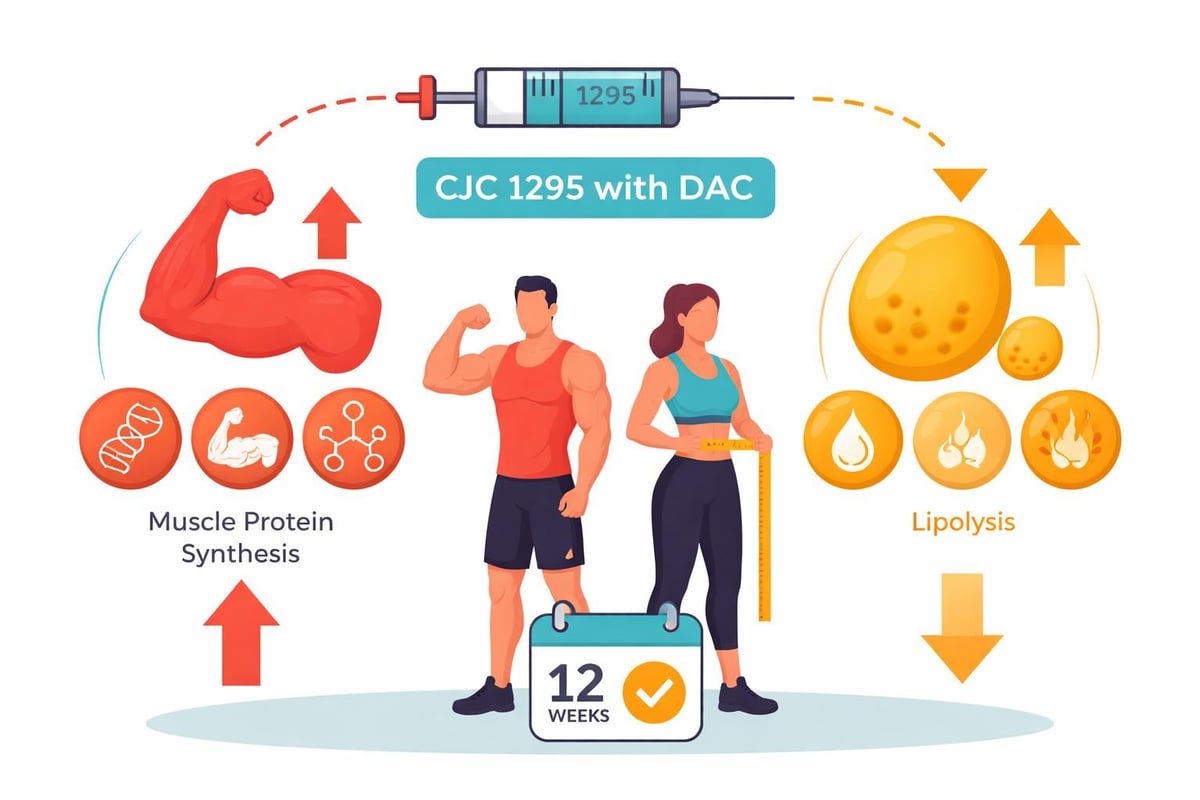
Research subjects receiving cjc 1295 with dac have demonstrated measurable changes in body composition metrics over extended administration periods. These changes typically manifest as gradual increases in lean tissue mass coupled with reductions in adipose tissue, particularly visceral fat deposits that pose metabolic risks.
The mechanism involves both anabolic effects on muscle tissue and lipolytic effects on fat stores. Growth hormone stimulates protein synthesis while simultaneously promoting the breakdown of triglycerides in adipocytes. This dual action creates favorable shifts in body composition without the dramatic weight fluctuations associated with some other approaches.
Documented research observations include:
- Lean muscle mass increases ranging from 2-5% over 12-16 week periods
- Fat mass reductions of 3-7% in responsive individuals
- Improved insulin sensitivity markers in some study populations
- Enhanced recovery metrics following controlled physical stress
- Positive effects on sleep quality and overall wellness scores
Recovery and Regenerative Properties
Beyond body composition, cjc 1295 with dac shows promise in accelerating recovery processes at the cellular level. Growth hormone plays essential roles in tissue repair, collagen synthesis, and immune function. Elevated levels may support faster recovery from physical training, minor injuries, and the cumulative stress of daily activities.
Athletes and fitness enthusiasts often report subjective improvements in recovery time between training sessions. While individual experiences vary, the theoretical basis for these effects is well-established in growth hormone physiology. Those exploring recovery options should consider that peptide therapy represents just one component of a comprehensive recovery strategy.
Safety Considerations and Monitoring Approaches
Responsible use of cjc 1295 with dac requires understanding potential considerations and implementing appropriate monitoring strategies. While generally well-tolerated in research settings, individual responses vary based on numerous factors including age, health status, concurrent medications, and dosing protocols.
Common Considerations
The most frequently reported effects in research populations involve injection site reactions, such as redness, swelling, or mild discomfort. These typically resolve quickly and can be minimized through proper injection technique and site rotation. Systemic effects may include temporary water retention, mild joint discomfort, or changes in glucose metabolism.
More significant concerns relate to the sustained elevation of growth hormone levels over extended periods. Unlike natural pulsatile patterns that rise and fall throughout the day, the DAC modification creates continuous elevation. Long-term implications of this altered pattern remain subjects of ongoing investigation.
Monitoring recommendations:
- Baseline hormone panel before initiating protocols
- Regular IGF-1 level assessments during active use
- Glucose and insulin sensitivity monitoring
- Periodic breaks to allow hormonal system recovery
- Professional guidance for protocol design and adjustment
Individuals with certain health conditions should exercise particular caution. Those with active malignancies, diabetic complications, or uncontrolled health conditions should avoid growth hormone-modulating compounds without explicit medical supervision. The relationship between growth hormone and cell proliferation necessitates careful consideration in specific populations.
Quality Standards and Sourcing Considerations
The effectiveness and safety of cjc 1295 with dac depend heavily on peptide purity and proper manufacturing standards. Inferior products may contain impurities, incorrect concentrations, or degraded compounds that fail to deliver expected results or introduce unnecessary risks. Understanding quality markers helps individuals make informed sourcing decisions.
Purity Testing and Verification
Reputable suppliers provide third-party testing documentation showing peptide purity levels, typically measured through high-performance liquid chromatography (HPLC). Premium-grade peptides should demonstrate purity levels exceeding 98%, with minimal bacterial endotoxins and other contaminants.
Manufacturing standards significantly impact final product quality. Advanced purification methods remove synthesis byproducts and ensure consistent amino acid sequences. Soma Peptide employs stringent quality control measures to verify that each batch meets rigorous purity and efficacy standards before reaching customers.
| Quality Marker | Premium Standard | Importance |
|---|---|---|
| Peptide Purity | >98% by HPLC | Ensures efficacy and safety |
| Bacterial Endotoxins | <10 EU/mg | Reduces contamination risks |
| Water Content | <5% | Maintains stability |
| Correct Sequence | 100% verified | Guarantees biological activity |
Storage and handling practices also influence peptide integrity. Lyophilized peptides remain stable when stored properly in freezer conditions, while reconstituted solutions require refrigeration and timely use. Following manufacturer guidelines prevents degradation that compromises therapeutic potential.
Integration With Comprehensive Wellness Strategies
Optimal results with cjc 1295 with dac emerge when peptide protocols complement rather than replace foundational wellness practices. No compound, regardless of its biological activity, can overcome poor nutrition, inadequate sleep, chronic stress, or sedentary behavior. Strategic integration maximizes potential benefits while supporting overall health objectives.
Nutritional Considerations
Growth hormone elevation influences nutrient partitioning and metabolic processes, making dietary choices particularly impactful during peptide protocols. Adequate protein intake supports the anabolic effects on muscle tissue, while strategic carbohydrate timing may optimize insulin sensitivity and glucose metabolism.
Nutritional strategy elements:
- Protein intake of 0.8-1.2g per pound of bodyweight for active individuals
- Strategic meal timing around training sessions
- Micronutrient sufficiency to support recovery pathways
- Hydration protocols accounting for potential water retention
- Caloric intake aligned with specific body composition goals
Training protocols should account for enhanced recovery capacity while avoiding excessive volume that outpaces adaptation. The improved recovery potential allows for greater training frequency or intensity in many cases, but individual tolerance varies. Progressive overload principles remain foundational regardless of peptide use.
Advanced Protocol Considerations
Experienced individuals sometimes explore combination protocols that pair cjc 1295 with dac with complementary compounds. These advanced strategies attempt to leverage synergistic mechanisms for enhanced results, though they also introduce additional complexity and considerations.
Synergistic Combinations
Common pairings include growth hormone-releasing peptides that act through different receptor pathways. While cjc 1295 with dac stimulates growth hormone release through GHRH receptors, compounds like ipamorelin work through ghrelin receptors. This dual-pathway stimulation theoretically produces more robust growth hormone pulses than either compound alone.
However, the extended half-life of the DAC version makes timing considerations less critical compared to no-DAC protocols. Some practitioners prefer using CJC 1295 No DAC Ipamorelin Blend for greater control over pulsatile patterns, reserving the DAC version for situations where injection frequency minimization is prioritized.
Other combination approaches might include peptides targeting different pathways entirely. For instance, pairing growth hormone optimization with compounds focused on weight loss like Semaglutide or Tirzepatide addresses multiple aspects of metabolic health simultaneously.
Advanced protocol framework:
- Establish baseline response to single compounds first
- Introduce additional elements gradually with monitoring
- Adjust dosages to account for synergistic effects
- Maintain detailed logs of responses and adjustments
- Implement periodic protocol breaks for system recovery
Those exploring peptide options should visit the Soma Peptide shop to review available compounds and formulations suited to specific wellness objectives.
Strategic growth hormone optimization through peptides like cjc 1295 with dac offers compelling potential for individuals seeking to support body composition, recovery, and age-related wellness goals when integrated within comprehensive lifestyle approaches. The choice between DAC and no-DAC formulations depends on individual priorities regarding injection frequency, physiological rhythm preservation, and specific objectives. If you're ready to explore premium-quality peptides manufactured to the highest purity standards, Soma Peptide provides rigorously tested compounds backed by advanced purification methods and comprehensive quality verification, supporting your journey toward optimized health and performance.