



Growth hormone secretagogues (GHS) peptides represent a fascinating class of compounds that have gained significant attention in health optimization and performance enhancement circles. These synthetic peptides work by stimulating the body's natural production of growth hormone rather than introducing exogenous hormones directly into the system. As research continues to expand our understanding of peptide therapies, ghs peptides have emerged as valuable tools for individuals seeking to optimize body composition, accelerate recovery, and support healthy aging processes through evidence-based mechanisms.
Understanding the Fundamentals of GHS Peptides
Growth hormone secretagogues are compounds designed to trigger the release of growth hormone from the pituitary gland. Unlike synthetic growth hormone injections, ghs peptides work with your body's existing regulatory systems to promote natural hormone production. This approach offers several potential advantages, including maintaining the body's pulsatile release patterns and reducing some risks associated with direct hormone replacement.
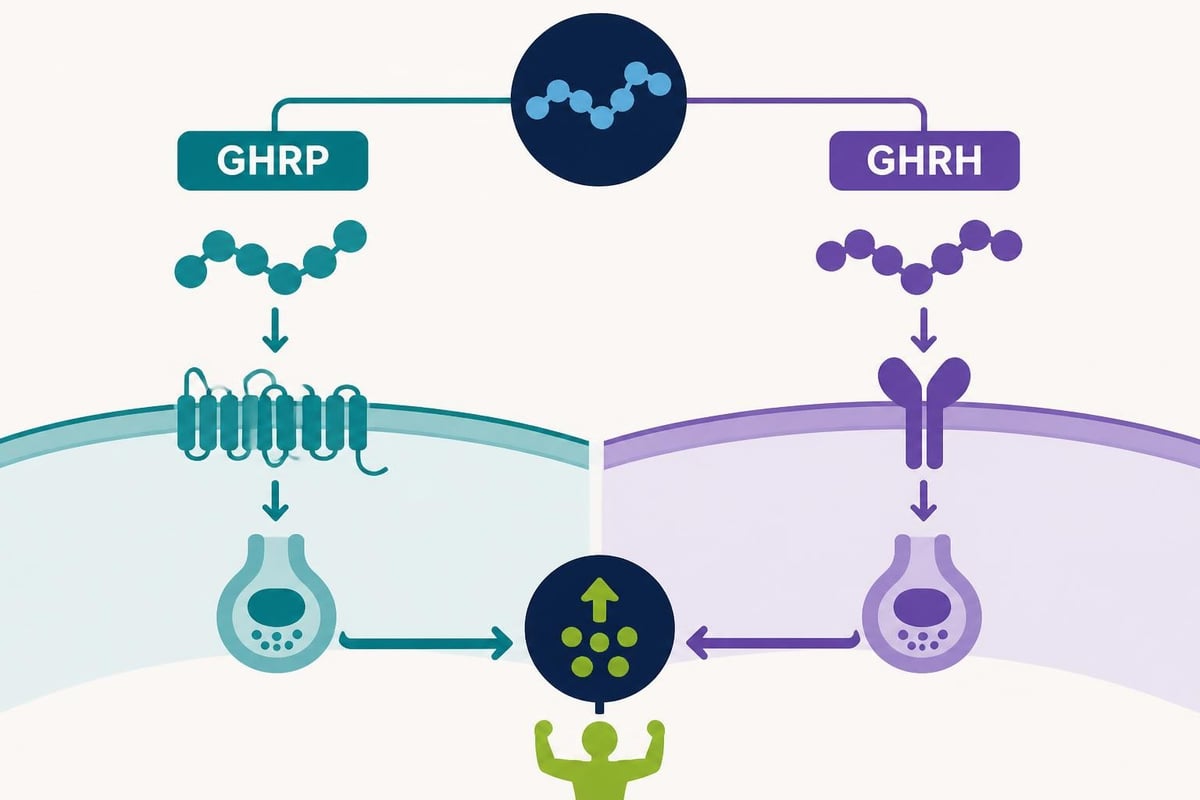
The mechanism behind these peptides involves binding to specific receptors, primarily the growth hormone secretagogue receptor (GHS-R), also known as the ghrelin receptor. When ghs peptides activate these receptors, they initiate a cascade of signals that prompt somatotroph cells in the anterior pituitary to release stored growth hormone into circulation. Research published by the National Institutes of Health has helped elucidate these calcium signaling pathways and their role in growth hormone release.
Classification and Types
GHS peptides fall into two primary categories: growth hormone releasing peptides (GHRPs) and growth hormone releasing hormones (GHRHs). Each category works through slightly different pathways, though both ultimately increase growth hormone levels.
Common GHRP variants include:
- GHRP-2 and GHRP-6, which were among the earliest developed
- Ipamorelin, known for its selectivity and minimal side effects
- Hexarelin, which demonstrates potent GH-releasing activity
GHRH analogs include:
- CJC-1295 (both with and without DAC modification)
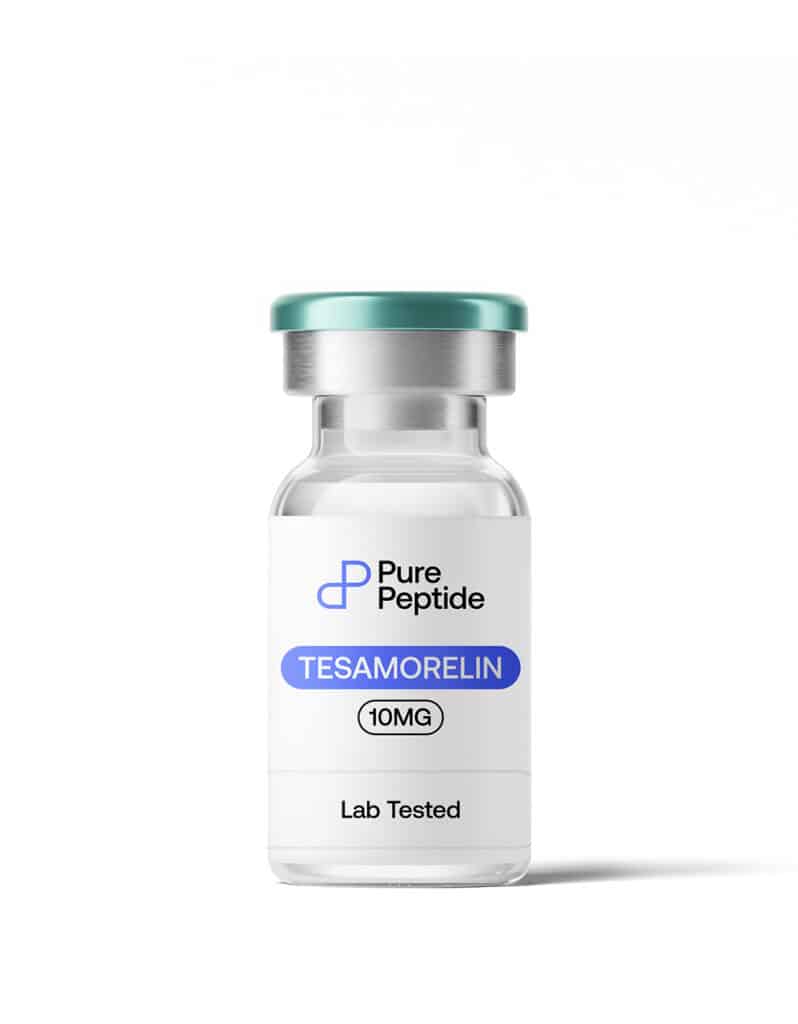
- Tesamorelin, FDA-approved for specific medical conditions
- Sermorelin, a shorter-acting GHRH fragment
Biological Mechanisms and Pathways
The effectiveness of ghs peptides stems from their ability to mimic natural biological signals. When these peptides bind to GHS receptors, they activate G-protein coupled receptor pathways that increase intracellular calcium concentrations. This calcium influx triggers the fusion of growth hormone-containing vesicles with the cell membrane, releasing their contents into the bloodstream.
What makes ghs peptides particularly interesting is their ability to amplify the body's natural growth hormone pulses rather than creating a constant, non-physiological elevation. Growth hormone is naturally released in pulsatile patterns, with the highest levels occurring during deep sleep. By working within these natural rhythms, peptide secretagogues may offer a more balanced approach to hormone optimization.
The synergistic effects between different types of ghs peptides have led to combination protocols. When GHRP and GHRH analogs are used together, they can produce significantly greater growth hormone release than either compound alone. This synergy occurs because they work through complementary mechanisms, with GHRPs suppressing somatostatin (which inhibits GH release) while GHRHs directly stimulate somatotroph cells.
Downstream Effects and Biological Outcomes
Once growth hormone enters circulation, it exerts effects both directly and through insulin-like growth factor 1 (IGF-1) production in the liver. This two-pronged mechanism influences numerous physiological processes:
| Direct GH Effects | IGF-1 Mediated Effects |
|---|---|
| Lipolysis (fat breakdown) | Protein synthesis |
| Glucose metabolism | Tissue growth and repair |
| Immune function | Bone density maintenance |
| Cellular regeneration | Collagen production |
The metabolic impact of elevated growth hormone includes enhanced fat oxidation, improved insulin sensitivity when used appropriately, and increased lean body mass preservation. These effects make ghs peptides particularly attractive for body composition optimization and metabolic health support.
Applications in Performance and Recovery
Athletes and fitness enthusiasts have shown considerable interest in ghs peptides for their potential to support training adaptations and recovery processes. The increased growth hormone and IGF-1 levels associated with these compounds may contribute to several performance-related benefits.
Muscle Growth and Preservation
Enhanced protein synthesis represents one of the primary mechanisms through which ghs peptides may support muscle development. The elevated IGF-1 levels stimulate muscle satellite cells, promoting their proliferation and differentiation into mature muscle fibers. This anabolic environment can be particularly valuable during caloric restriction, when muscle preservation becomes challenging.
According to Healthline’s analysis of peptides for bodybuilding, while research shows promise, individuals should approach these compounds with realistic expectations and proper protocols. The effects are generally more subtle than direct anabolic interventions but may offer advantages in terms of safety profiles and regulatory considerations.
Recovery Enhancement
Recovery from intense training represents a critical factor in long-term athletic development. GHS peptides may accelerate recovery through multiple pathways:
- Enhanced sleep quality, particularly deep sleep stages
- Increased protein turnover and tissue repair
- Reduced inflammation and oxidative stress
- Improved nutrient partitioning and utilization
The relationship between growth hormone and sleep creates a positive feedback loop. Growth hormone supports deeper, more restorative sleep, while quality sleep enables optimal natural GH release. Many users report improved sleep architecture as one of the first noticeable benefits when beginning ghs peptide protocols.

Anti-Aging and Wellness Applications
Beyond performance enhancement, ghs peptides have garnered attention for their potential role in healthy aging strategies. As natural growth hormone production declines with age, typically by 14% per decade after age 30, many physiological changes associated with aging become more pronounced.
Skin and Connective Tissue Health
Growth hormone and IGF-1 play crucial roles in maintaining skin thickness, elasticity, and hydration. These hormones stimulate fibroblast activity, promoting collagen and elastin production. The result may include improved skin texture, reduced fine lines, and enhanced wound healing capacity.
The benefits extend beyond superficial appearance. Stronger connective tissues, including tendons and ligaments, contribute to better joint function and injury resistance. For individuals experiencing age-related collagen decline, ghs peptides may offer supportive benefits alongside other collagen-promoting compounds like GHK, a naturally occurring tripeptide with wound healing properties.
Metabolic Health Considerations
The metabolic effects of ghs peptides encompass several important areas:
- Fat Distribution: Enhanced lipolysis, particularly targeting visceral adipose tissue
- Insulin Sensitivity: Potential improvements when used appropriately, though careful monitoring is essential
- Energy Metabolism: Increased mitochondrial function and cellular energy production
- Bone Density: Support for osteoblast activity and mineral retention
Research continues to explore how optimized growth hormone levels within physiological ranges might support metabolic health as we age. The Peptides Institute’s open dataset provides structured information on various research peptides, including ghs compounds and their documented effects across different study populations.
Quality, Purity, and Source Considerations
The effectiveness and safety of ghs peptides depend heavily on product quality. Peptides are delicate molecules requiring precise synthesis, purification, and storage conditions to maintain their structural integrity and biological activity.
Manufacturing Standards
Premium peptide production involves multiple critical steps:
- Solid-Phase Peptide Synthesis: Building amino acid chains with exact sequences
- High-Performance Liquid Chromatography (HPLC): Purifying peptides to remove impurities
- Mass Spectrometry Verification: Confirming molecular weight and structure
- Lyophilization: Freeze-drying for stable storage
Reputable suppliers provide third-party certificates of analysis (COA) documenting purity levels, typically 98% or higher for research-grade peptides. These documents verify that the product contains the correct peptide at the stated concentration without significant contamination.
Independent verification services like Merit Verified have emerged to help consumers identify legitimate sources and authenticate peptide products. This verification becomes particularly important as the peptide market continues to expand and attract both reputable suppliers and questionable vendors.
Regulatory Landscape and Compliance
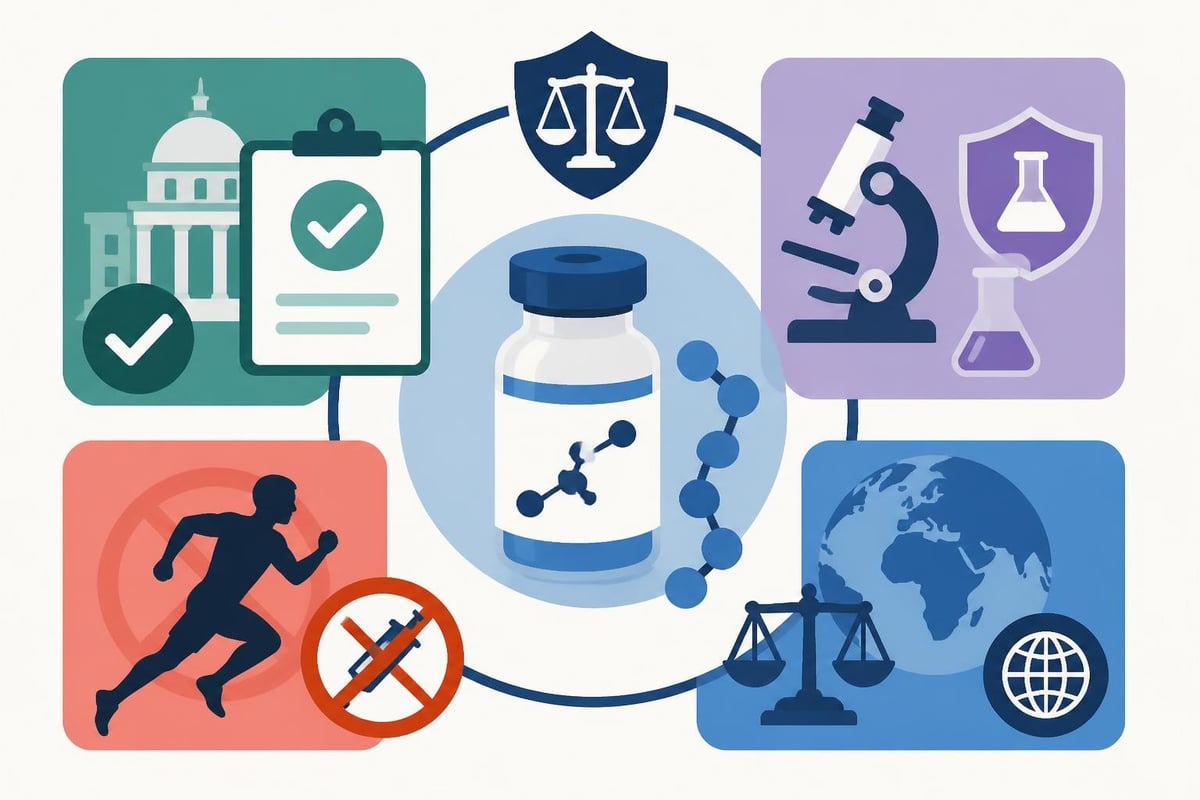
The regulatory environment surrounding ghs peptides remains complex and continues to evolve. In the United States, these compounds occupy a unique position-they are not approved for human use outside specific FDA-approved applications, yet they remain legal for research purposes.
Current Regulatory Status
The Drug Enforcement Administration (DEA) has conducted reviews of growth hormone secretagogues, as discussed in recent regulatory analyses. While these peptides are not currently controlled substances, regulatory scrutiny continues, particularly regarding their marketing and sale for human consumption.
Key regulatory considerations include:
- FDA approval exists only for specific peptides (like Tesamorelin) for defined medical conditions
- Off-label use and unregulated sales for performance enhancement remain problematic areas
- International regulations vary significantly by country
- Athletic organizations generally prohibit ghs peptides under anti-doping policies
Understanding these regulatory nuances is essential for anyone considering peptide protocols. Working with knowledgeable healthcare providers and sourcing from verified suppliers helps ensure both legal compliance and product quality.
Practical Protocols and Administration
Implementing ghs peptide protocols requires attention to dosing, timing, and administration methods. While individual responses vary, established patterns have emerged from research and clinical experience.
Dosing Considerations
Effective doses vary by specific peptide and individual factors:
| Peptide Type | Typical Research Dose | Frequency |
|---|---|---|
| GHRP-2/6 | 100-300 mcg | 1-3x daily |
| Ipamorelin | 200-300 mcg | 1-3x daily |
| CJC-1295 (No DAC) | 100-200 mcg | 1-3x daily |
| CJC-1295 (with DAC) | 1000-2000 mcg | 1-2x weekly |
Timing strategies often emphasize administration during periods when natural growth hormone release would be optimal:
- Upon waking (when cortisol naturally rises)
- Post-workout (when nutrient partitioning is enhanced)
- Before bed (to support the natural nighttime GH pulse)
Administration typically occurs via subcutaneous injection, similar to insulin protocols. Proper injection technique, rotation of injection sites, and sterile handling practices are essential for safety and effectiveness.
Synergistic Combinations and Stacking
Many advanced protocols combine different ghs peptides or pair them with complementary compounds to amplify benefits. The combination approach leverages different mechanisms of action for potentially enhanced results. For instance, pairing a GHRP with a GHRH analog can produce significantly greater growth hormone release than either compound alone.
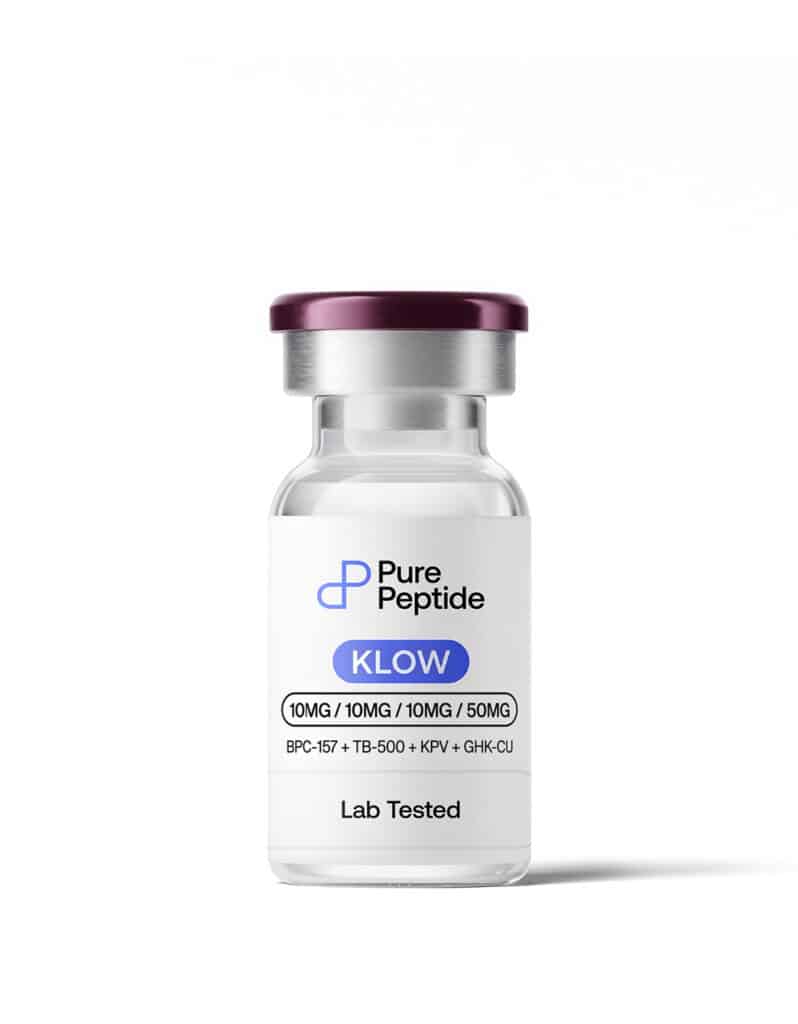
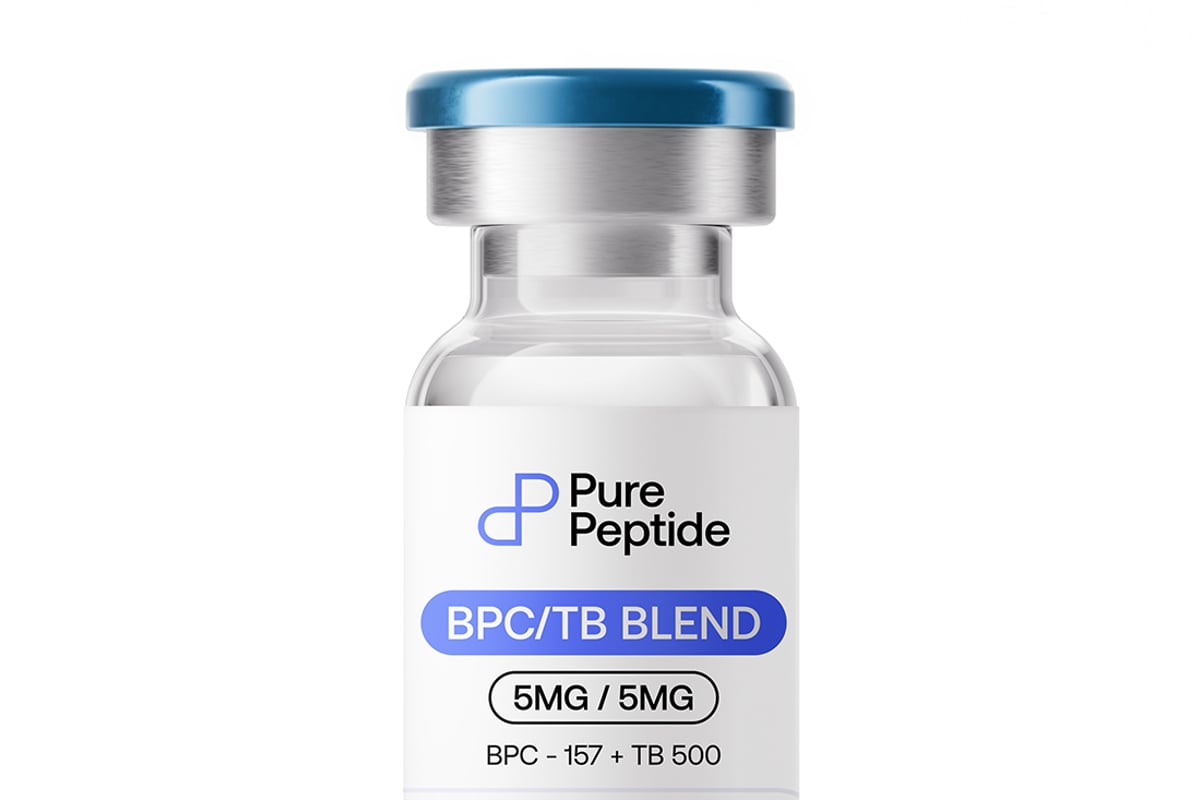
Beyond stacking different ghs peptides together, some protocols incorporate supportive compounds. These might include peptides focused on recovery and tissue repair, such as specialized healing formulations. When comprehensive recovery is a priority, some individuals explore options like the BPC-157 / TB-500 Blend to synergistically support healing, improve tissue repair, and strengthen long-term recovery alongside their growth hormone optimization protocol.
Cycling and Duration
Most protocols involve cycling rather than continuous use:
- Short cycles: 8-12 weeks on, 4-6 weeks off
- Extended protocols: 3-6 months with periodic breaks
- Maintenance approaches: Lower doses after initial intensive phase
Cycling helps maintain receptor sensitivity, reduces the risk of desensitization, and allows assessment of whether benefits persist after discontinuation.
Safety Profile and Monitoring
While ghs peptides generally demonstrate favorable safety profiles compared to direct growth hormone administration, they are not without considerations. Understanding potential effects and implementing appropriate monitoring helps maximize benefits while minimizing risks.
Common Effects and Considerations
Most individuals tolerate ghs peptides well, particularly at moderate doses. However, some may experience:
- Temporary water retention, especially during initial use
- Increased hunger (particularly with GHRP-6)
- Transient numbness or tingling in extremities
- Fatigue or lethargy during adjustment period
- Elevated blood glucose in susceptible individuals
Contraindications and cautions include:
- Active malignancy or cancer history (growth factors may theoretically promote cell proliferation)
- Diabetic conditions without medical supervision (effects on glucose metabolism)
- Pregnancy or nursing (insufficient safety data)
- Uncontrolled hypertension or cardiovascular disease
Regular health monitoring provides valuable data for protocol optimization. Recommended assessments might include periodic blood work evaluating IGF-1 levels, fasting glucose, HbA1c, and lipid panels. These markers help confirm that ghs peptides are producing desired effects while maintaining metabolic health parameters.
Research Resources and Evidence Base
The scientific literature on ghs peptides continues to expand, though much research remains in preclinical or early clinical phases. Resources like ExaminePeptides and PeptideKnow aggregate research findings, safety signals, and mechanistic data across numerous peptide compounds.
Key areas of ongoing research include:
- Long-term safety profiles with extended use
- Optimal dosing strategies for specific outcomes
- Combination protocols and synergistic effects
- Age-related applications and geriatric health
- Metabolic disease interventions
The comprehensive peptide database available through various research platforms provides evidence-backed profiles helping individuals and practitioners make informed decisions based on current scientific understanding rather than anecdotal claims.
Integration into Comprehensive Health Strategies
GHS peptides work most effectively when integrated into broader health optimization approaches rather than viewed as standalone interventions. The foundation of any successful protocol includes:
Nutritional Support
- Adequate protein intake (1.6-2.2g per kg body weight for active individuals)
- Sufficient micronutrients, particularly zinc, magnesium, and vitamin D
- Appropriate caloric intake based on goals
- Meal timing strategies that complement peptide administration
Training and Recovery
- Progressive resistance training to stimulate muscle protein synthesis
- Adequate sleep quantity and quality (7-9 hours for most adults)
- Stress management practices
- Strategic deload periods
Lifestyle Factors
- Minimizing excessive alcohol consumption
- Managing chronic stress through various modalities
- Maintaining healthy body composition
- Regular health monitoring and biomarker assessment
Those interested in exploring how different peptides might support their specific goals can learn more about the best peptides for various applications through comprehensive educational resources.
Future Directions and Emerging Research
The field of peptide therapeutics continues to evolve rapidly. Researchers are exploring novel ghs peptide analogs with improved selectivity, longer half-lives, and enhanced safety profiles. Oral formulations represent an active area of development, potentially eliminating the need for injections and improving accessibility.
Emerging applications under investigation:
- Cognitive function and neuroprotection
- Cardiovascular health optimization
- Immune system modulation
- Bone density preservation in aging populations
- Metabolic syndrome interventions
As research methodologies improve and larger-scale clinical trials are conducted, the evidence base supporting specific applications of ghs peptides will likely strengthen. The integration of personalized medicine approaches, including genetic and biomarker-based protocols, may enable more precise targeting of peptide interventions to individual needs.
Advanced verification and testing platforms continue to emerge, helping consumers identify quality products and authentic sources. The transparency provided by independent testing services benefits the entire peptide community by establishing higher standards and accountability throughout the supply chain.
GHS peptides represent a sophisticated approach to supporting natural growth hormone production through targeted receptor activation and physiological signaling pathways. When sourced from reputable suppliers, used within appropriate protocols, and integrated into comprehensive health strategies, these compounds may offer valuable support for body composition, recovery, and healthy aging goals. If you're considering peptide therapy as part of your wellness optimization strategy, Soma Peptide provides premium quality peptides manufactured under stringent quality control standards, ensuring maximum purity and efficacy for your health and performance objectives.