







Peptides in food represent one of nature's most powerful yet underappreciated health components. These short chains of amino acids, formed when proteins break down during digestion or food processing, play essential roles in everything from immune function to cellular repair. As awareness grows around functional nutrition and targeted supplementation, understanding the peptides naturally present in our diet has become increasingly relevant for health-conscious individuals seeking to optimize their wellness through both food choices and high-quality supplementation strategies.
Understanding Bioactive Peptides in Dietary Sources
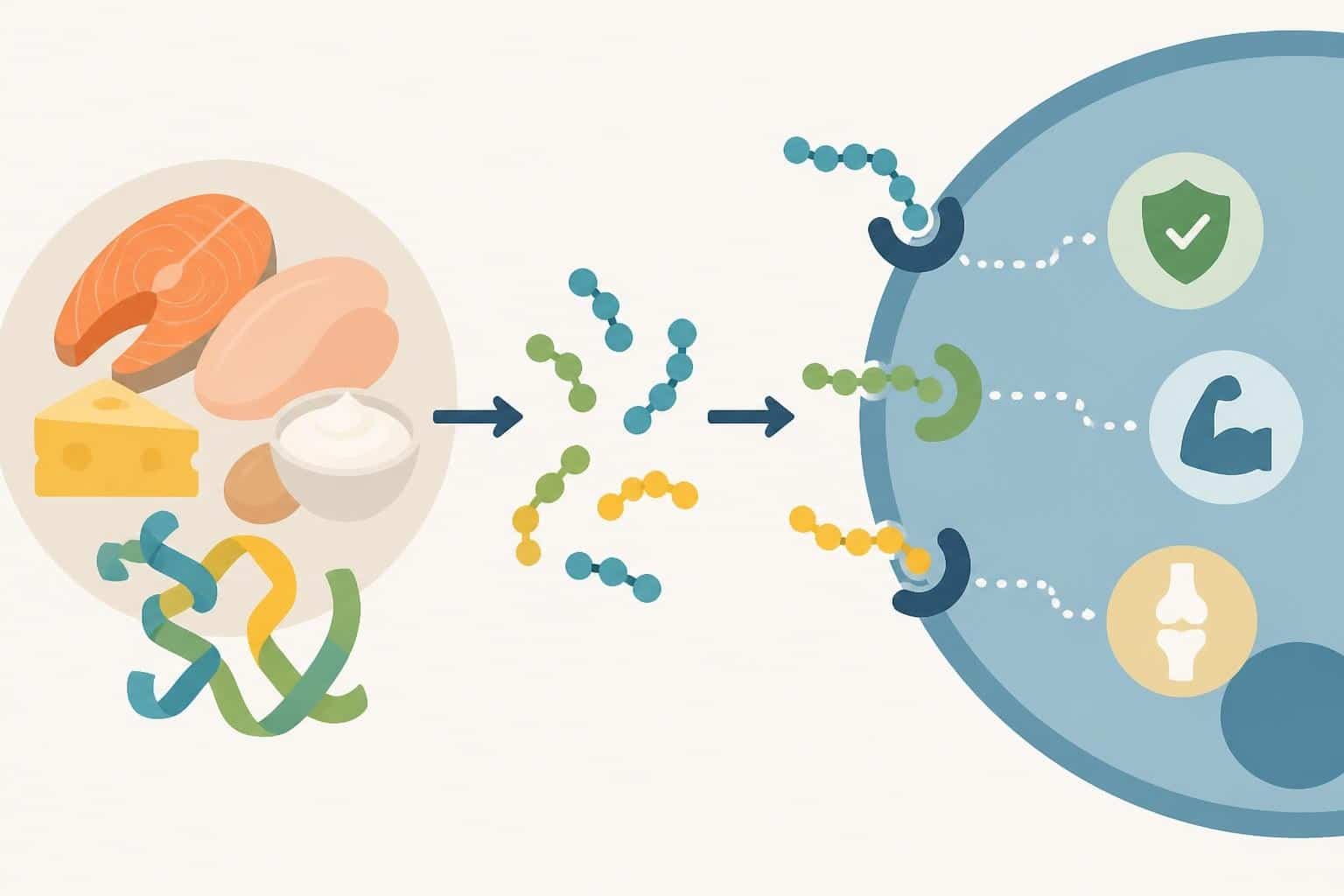
Bioactive peptides are protein fragments that exert specific physiological effects beyond basic nutrition. Unlike complete proteins, these shorter amino acid sequences can interact directly with cellular receptors, influencing processes such as blood pressure regulation, immune response modulation, and tissue repair mechanisms.
The presence of peptides in food occurs through several pathways. Enzymatic digestion breaks down larger proteins into smaller peptide chains, while fermentation processes create unique bioactive sequences. Food processing methods, including aging, curing, and enzymatic treatment, can also generate beneficial peptide profiles that weren't present in the raw ingredient.
Natural Formation During Digestion
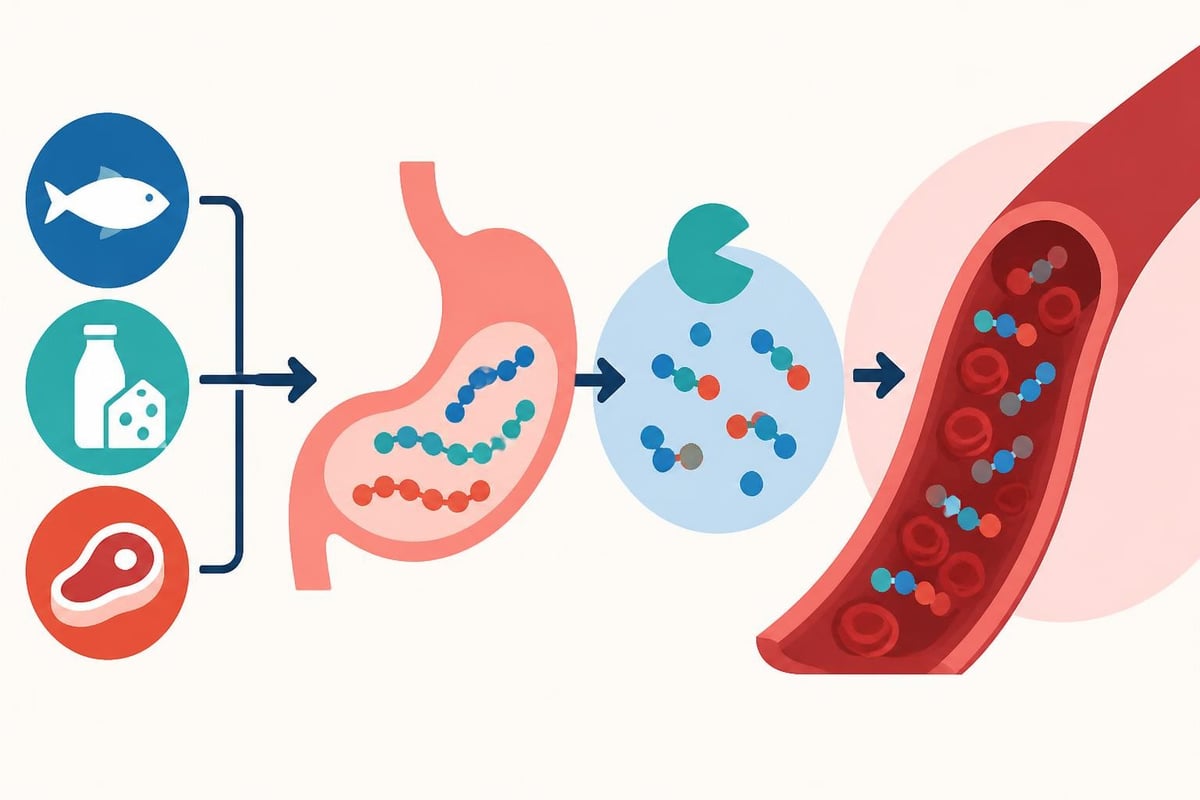
When we consume protein-rich foods, digestive enzymes systematically cleave bonds between amino acids. This process releases peptides in food that range from two to twenty amino acids in length. Some of these fragments remain bioactive after absorption, crossing the intestinal barrier to exert systemic effects throughout the body.
Research has demonstrated that bioactive peptides from muscle-based proteins possess particularly interesting properties. These peptides can influence cardiovascular health, support metabolic function, and contribute to satiety regulation, making them valuable components of a balanced nutritional approach.
Top Food Sources Rich in Bioactive Peptides
Different food categories contain distinct peptide profiles, each offering unique health benefits. Understanding which sources provide the most valuable peptides helps optimize dietary choices for specific health goals.
Animal-Based Protein Sources
Fish and seafood stand among the richest sources of beneficial peptides in food. Cold-water fish like salmon, mackerel, and sardines contain collagen-derived peptides that support skin elasticity and joint health. The muscle tissue of fish also provides peptides with antioxidant and anti-inflammatory properties.
Dairy products offer another concentrated source. Milk proteins, particularly casein and whey, break down into numerous bioactive sequences during fermentation. Yogurt, kefir, and aged cheeses contain peptides that support digestive health, enhance mineral absorption, and modulate immune function.
Key animal sources include:
- Wild-caught fish and shellfish
- Grass-fed beef and bison
- Free-range poultry and eggs
- Fermented dairy products
- Bone broth and collagen-rich cuts
Plant-Based Peptide Sources
Plant proteins also contribute valuable peptides, though their profiles differ from animal sources. Legumes like soybeans, chickpeas, and lentils contain peptides with cholesterol-lowering and antioxidant capabilities. The fermentation of soybeans to create tempeh, miso, and natto significantly increases bioactive peptide content.
Whole grains provide another category of peptides in food worth considering. Wheat, rice, and oats contain peptide sequences that emerge during processing and digestion, offering antioxidant and anti-inflammatory benefits.
| Plant Source | Primary Peptide Benefits | Processing Method |
|---|---|---|
| Soybeans | Cardiovascular support, antioxidant activity | Fermentation, enzymatic hydrolysis |
| Hemp seeds | Complete amino acid profile, anti-inflammatory | Minimal processing, sprouting |
| Spirulina | Immune modulation, antioxidant protection | Drying, gentle extraction |
| Pumpkin seeds | Antimicrobial, blood sugar regulation | Roasting, germination |
Health Benefits Associated with Food-Derived Peptides
The biological activities of peptides in food extend across multiple body systems, making them powerful allies in preventive health strategies. These naturally occurring compounds work synergistically with other nutrients to support optimal physiological function.
Cardiovascular and Metabolic Support
Certain food-derived peptides demonstrate ACE-inhibitory activity, meaning they help regulate blood pressure through mechanisms similar to pharmaceutical ACE inhibitors. These peptides, commonly found in fermented dairy and fish proteins, support healthy vascular function without the side effects associated with synthetic medications.
Peptides also influence glucose metabolism and insulin sensitivity. Sequences derived from milk proteins, egg whites, and certain plant sources have shown promise in supporting healthy blood sugar regulation, making them relevant for metabolic health optimization.
Recovery and Tissue Repair
Collagen-derived peptides represent one of the most researched categories for structural support. Found abundantly in bone broth, fish skin, and connective tissues, these peptides provide the building blocks necessary for maintaining healthy skin, joints, and connective tissue integrity.
The body's natural healing processes rely heavily on peptide signaling. While therapeutic peptides like BPC-157 offer concentrated support for tissue repair and inflammation reduction, the peptides naturally present in a nutrient-dense diet provide foundational support for these same processes at a more subtle level.

Immune Function and Gut Health
Peptides in food play crucial roles in immune regulation and gut barrier integrity. Lactoferrin-derived peptides from dairy products demonstrate antimicrobial properties, while glutamine-rich peptides support the intestinal lining. Fermented foods particularly excel in this category, as the fermentation process generates unique bioactive sequences not found in unfermented versions.
The gut-associated lymphoid tissue responds favorably to specific dietary peptides, which can modulate inflammatory responses and support balanced immune function. This connection between food-derived peptides and immune health underscores the importance of dietary diversity and quality protein sources.
Factors Affecting Peptide Content and Bioavailability
Not all peptides in food remain bioactive by the time they reach target tissues. Several factors influence whether these beneficial compounds survive digestion and exert their intended effects.
Processing and Preparation Methods
Cooking temperature and duration significantly impact peptide profiles. High-heat methods may denature some beneficial sequences while creating others through Maillard reactions. Gentle cooking methods like steaming or low-temperature roasting generally preserve more intact peptide structures.
Fermentation stands as one of the most effective ways to enhance bioactive peptide content. The enzymatic activity of beneficial bacteria breaks down proteins into smaller, more bioavailable fragments. This explains why fermented versions of foods often provide enhanced health benefits compared to their unfermented counterparts.
Optimal preparation methods:
- Slow-cooking for collagen extraction
- Fermentation for probiotic and peptide enhancement
- Sprouting to activate enzymes
- Gentle steaming to preserve structure
- Raw consumption when appropriate and safe
Individual Digestive Capacity
Personal digestive efficiency dramatically affects how well we extract and utilize peptides in food. Stomach acid levels, pancreatic enzyme production, and intestinal permeability all influence peptide bioavailability. Some individuals may benefit more from pre-digested or fermented sources that require less intensive breakdown.
Age-related changes in digestive function mean that older adults may extract fewer bioactive peptides from whole food sources, potentially increasing the value of supplemental peptide forms or enzyme-rich fermented foods in their diets.
The Growing Supplement Industry and Quality Considerations
As consumer awareness of peptide benefits has expanded, the supplement market has responded with numerous products claiming to deliver concentrated peptide support. The regulatory landscape surrounding these products continues to evolve, with ongoing discussions about FDA oversight of peptide supplements and new ingredients.

Distinguishing Food Sources from Therapeutic Peptides
While peptides in food provide broad-spectrum nutritional support, therapeutic peptide supplements offer targeted, concentrated effects for specific goals. Food-derived peptides work within the context of whole nutrition, providing moderate, sustained benefits. Supplemental peptides deliver higher concentrations of specific sequences designed for particular outcomes.
The distinction matters for both effectiveness and regulation. Food sources carry minimal risk and require no special oversight, while concentrated peptide supplements demand rigorous quality control, purity testing, and proper dosing protocols. Understanding which approach serves your goals helps optimize both safety and results.
Purity and Testing Standards
Quality peptide supplements undergo extensive testing to verify molecular structure, purity levels, and absence of contaminants. Advanced purification methods ensure that synthetic peptides match their naturally occurring counterparts in structure and function. Third-party testing provides additional verification that products contain what labels claim.
| Quality Metric | Testing Method | Industry Standard |
|---|---|---|
| Purity Level | HPLC analysis | ≥98% for research grade |
| Molecular Weight | Mass spectrometry | Exact match to target sequence |
| Sterility | Bacterial/fungal testing | Zero detected contaminants |
| Concentration | UV spectroscopy | Within 5% of stated dose |
Companies like Soma Peptide distinguish themselves through commitment to these rigorous standards, ensuring every product delivers consistent, reliable results. The difference between high-quality and inferior peptide products often comes down to these manufacturing and testing protocols.
Emerging Research and Future Applications
Scientific understanding of peptides in food continues to expand rapidly. Researchers are identifying new bioactive sequences and clarifying the mechanisms through which dietary peptides influence health outcomes. Current trends in peptide supplementation reflect growing consumer interest, though experts emphasize the importance of quality sourcing and proper usage.
Artificial Intelligence in Peptide Discovery
Cutting-edge technology is revolutionizing how we identify and develop beneficial peptide sequences. AI platforms for taste peptide design demonstrate how computational methods can predict and optimize peptide structures for specific applications, including food technology and flavor enhancement.
This technology holds promise for discovering novel bioactive peptides in food sources that traditional analysis might miss. As these tools become more sophisticated, we can expect to uncover previously unknown beneficial sequences in common foods, potentially revolutionizing nutritional science.
Personalized Peptide Nutrition
The future of peptide-based nutrition likely involves personalized approaches based on individual genetic profiles, health status, and specific goals. Understanding which peptide sources and forms work best for different metabolic types could optimize outcomes while minimizing unnecessary supplementation.
Biomarker testing may eventually guide peptide selection, allowing practitioners to recommend specific food sources or supplements based on measurable deficiencies or needs. This precision approach represents the next evolution in functional nutrition and targeted supplementation.
Integrating Peptide-Rich Foods into Daily Nutrition
Maximizing the benefits of peptides in food requires thoughtful dietary planning that emphasizes quality, variety, and proper preparation. Rather than relying solely on supplementation, building a foundation of peptide-rich whole foods provides comprehensive nutritional support.
Practical Dietary Strategies
Start by incorporating diverse protein sources across all meals. Rotating between fish, poultry, grass-fed meats, eggs, and fermented dairy ensures exposure to different peptide profiles. Adding bone broth provides concentrated collagen-derived peptides, while fermented foods like kimchi, sauerkraut, and kefir deliver probiotic benefits alongside unique bioactive sequences.
Weekly peptide optimization plan:
- Include fish or seafood 3-4 times weekly
- Consume fermented foods daily
- Prepare bone broth for soups and cooking liquid
- Choose aged cheeses over processed varieties
- Add collagen powder to beverages when convenient
Those seeking comprehensive information about peptide sources and benefits can find detailed guidance on optimizing dietary choices for maximum bioactive peptide intake.
Combining Food Sources with Targeted Supplementation
For individuals with specific health goals beyond what diet alone can address, combining peptide-rich foods with targeted supplementation offers a comprehensive approach. The foundational support from dietary sources works synergistically with concentrated therapeutic peptides to enhance overall outcomes.
When selecting supplements, prioritize products backed by rigorous testing and transparent sourcing. The best peptides for your particular goals depend on numerous factors including age, health status, and desired outcomes. Working with knowledgeable providers ensures appropriate selection and dosing.
Peptides in food represent a fascinating intersection of nutrition science and functional medicine, offering powerful support for health optimization through both dietary choices and targeted supplementation. Understanding the sources, benefits, and quality considerations surrounding these bioactive compounds empowers informed decisions about both what we eat and how we supplement. Whether you're looking to enhance recovery, support healthy aging, or optimize metabolic function, Soma Peptide provides the premium-quality peptide solutions you need, backed by rigorous testing and advanced purification methods to ensure maximum efficacy and safety.