


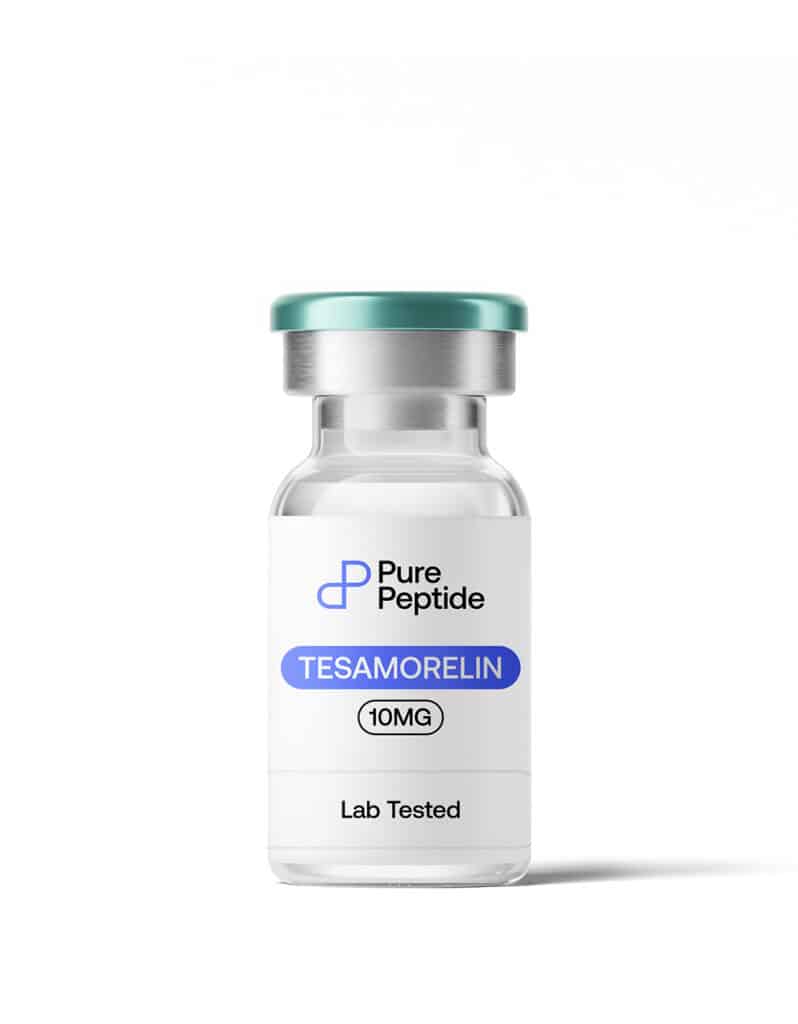
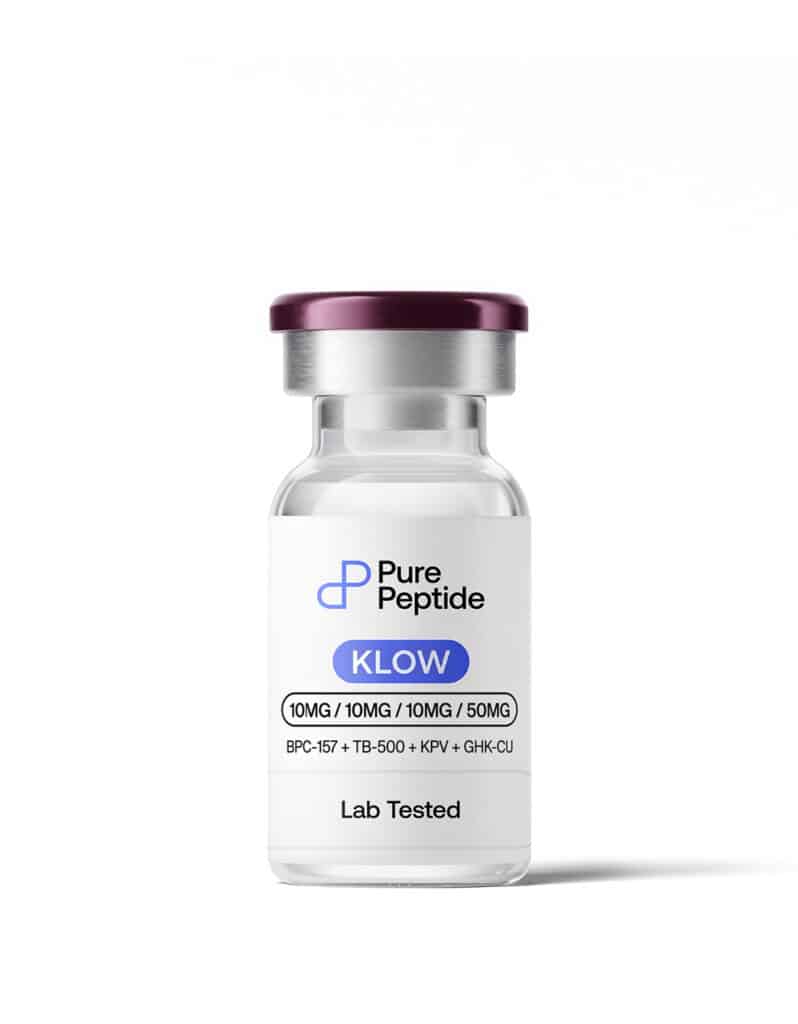
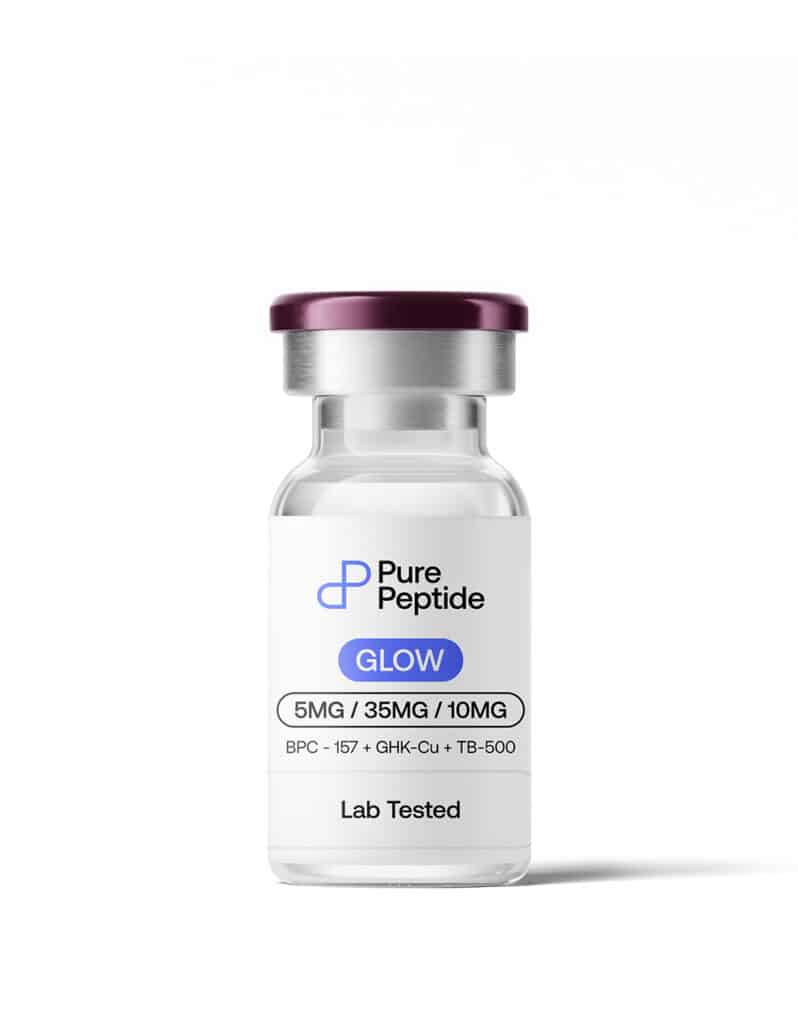

The combination of tb 500 bpc 157 has emerged as one of the most discussed peptide stacks in the recovery and regenerative medicine space. These two compounds have garnered significant attention from athletes, fitness enthusiasts, and individuals seeking enhanced healing capabilities. While both peptides function through distinct mechanisms, their complementary actions have made them popular choices for those looking to optimize tissue repair and recovery processes. Understanding how each peptide works individually and synergistically provides valuable insights into their potential applications and effectiveness.
Understanding TB-500: Mechanism and Function
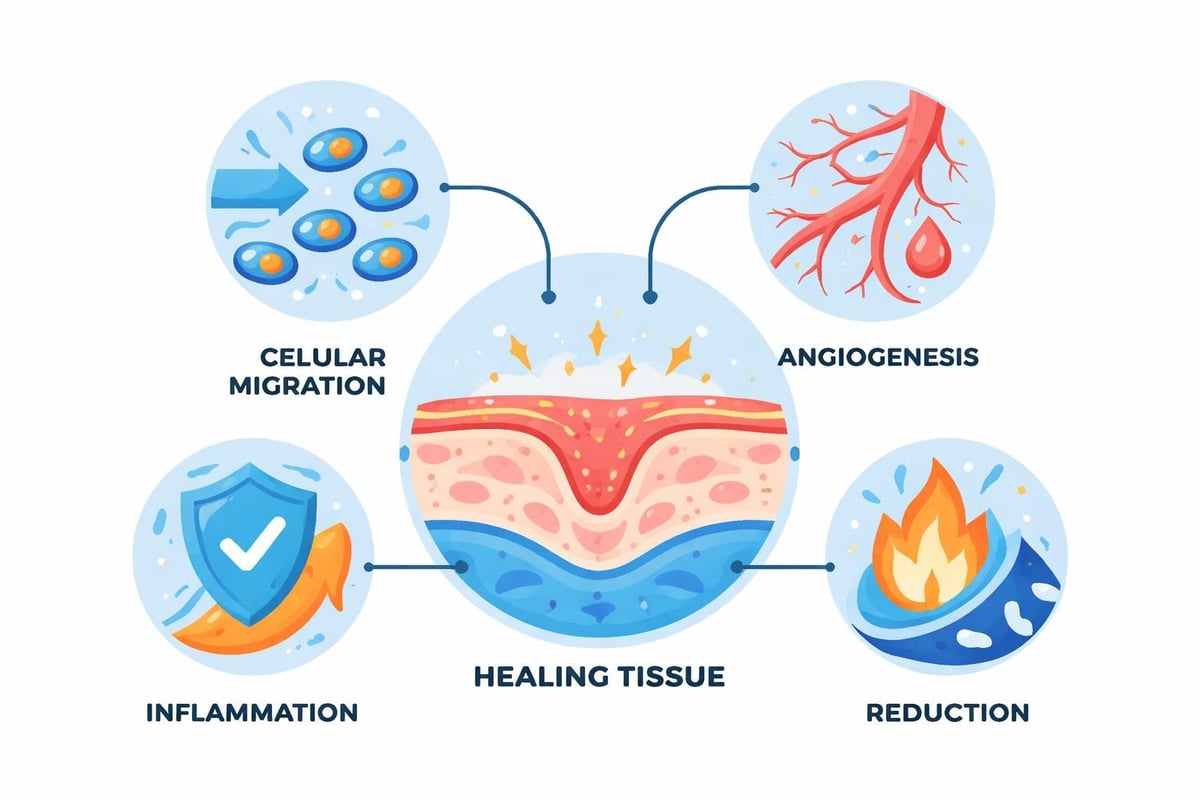
TB-500 represents a synthetic version of Thymosin Beta-4, a naturally occurring peptide found in virtually all human cells. This peptide plays a crucial role in cellular differentiation, migration, and proliferation. TB-500 specifically targets actin, a protein that forms the cellular cytoskeleton, enabling cells to move and regenerate more efficiently.
Primary Actions of TB-500
The peptide demonstrates several key mechanisms that contribute to its recovery-enhancing properties:
- Promotes angiogenesis by facilitating new blood vessel formation
- Reduces inflammation through modulation of inflammatory cytokines
- Enhances cell migration to injury sites for faster repair
- Supports tissue remodeling and structural integrity
TB-500 exhibits particular effectiveness in treating injuries to tendons, ligaments, and muscles. The peptide's ability to promote cell migration means that healing cells can reach damaged areas more efficiently, potentially reducing recovery time significantly.
Dosing and Administration Protocols
Most research and anecdotal reports suggest specific dosing parameters for TB-500:
| Protocol Phase | Dosage Range | Frequency | Duration |
|---|---|---|---|
| Loading Phase | 5-10 mg | Twice weekly | 4-6 weeks |
| Maintenance | 2-5 mg | Once weekly | Ongoing |
| Acute Injury | 10-20 mg | Three times weekly | 2-3 weeks |
These protocols can vary based on individual needs, injury severity, and desired outcomes. The loading phase establishes therapeutic levels in the system, while maintenance doses sustain benefits over time.
BPC-157: The Body Protection Compound
BPC-157 derives from a protective compound found naturally in gastric juice. This pentadecapeptide consists of 15 amino acids and has demonstrated remarkable healing properties across various tissue types. Unlike many peptides, BPC-157 shows stability in gastric acid and functions systemically when administered through different routes.
The peptide earned its designation as a "body protection compound" due to its widespread protective and regenerative effects throughout the body. Research has explored its applications in healing tendons, muscles, nerves, and even the gastrointestinal system.
Core Mechanisms of BPC-157
BPC-157 operates through multiple pathways to facilitate healing:
- Accelerates tendon-to-bone healing through growth factor modulation
- Protects and repairs the gut lining while reducing inflammatory conditions
- Enhances blood flow to damaged tissues via nitric oxide pathways
- Supports nerve regeneration and protects against certain toxins
- Stabilizes cellular processes during injury and stress
The peptide's diverse applications stem from its ability to interact with multiple growth factor pathways simultaneously. This multi-target approach explains why BPC-157 shows promise across such varied tissue types and injury classifications.
Optimal Dosing Strategies for BPC-157
Standard dosing guidelines for BPC-157 typically fall within these ranges:
- General healing: 250-500 mcg daily
- Acute injuries: 500-1000 mcg daily, split into two doses
- Chronic conditions: 250-500 mcg daily for extended periods
- Gut health: 250-500 mcg daily, often taken orally
The peptide can be administered subcutaneously, intramuscularly, or orally, though bioavailability may differ between routes. Many users report benefits from injecting near the injury site, though systemic effects occur regardless of injection location.
Synergistic Effects of TB 500 BPC 157 Combined
When used together, tb 500 bpc 157 create what many in the recovery community call the "Wolverine Stack," named after the fictional character's rapid healing abilities. This combination approach leverages the complementary mechanisms of both peptides for potentially enhanced results.
Why Combine These Peptides
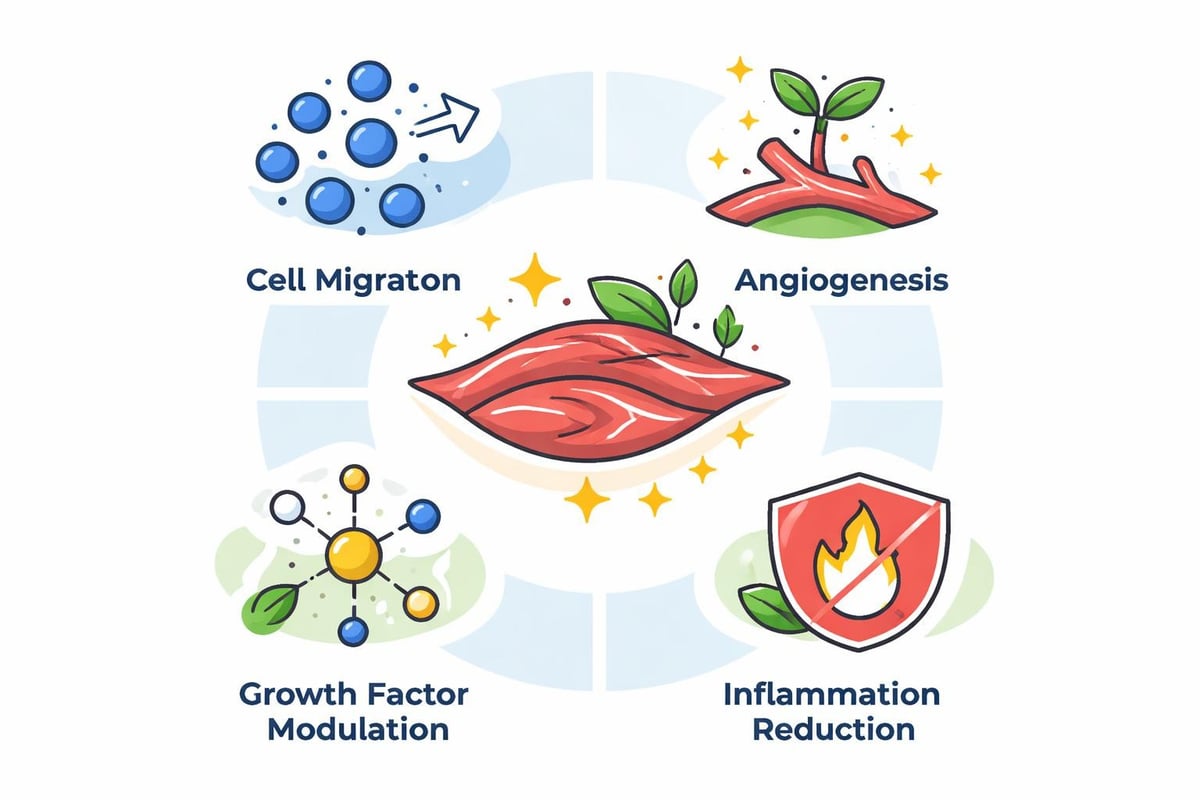
The rationale for combining tb 500 bpc 157 rests on their distinct but complementary actions:
| Peptide | Primary Strength | Tissue Focus | Key Advantage |
|---|---|---|---|
| TB-500 | Cell migration and angiogenesis | Muscles, tendons, ligaments | Systemic anti-inflammatory effects |
| BPC-157 | Growth factor modulation | Tendons, gut, nerves | Multi-pathway healing activation |
| Combined | Comprehensive tissue repair | All soft tissues | Accelerated recovery timeline |
TB-500 excels at bringing healing cells to damaged areas and creating new blood vessels, while BPC-157 activates growth factors and protects tissues during the healing process. Together, they address recovery from multiple angles simultaneously.
Practical Stacking Protocols
For those considering the tb 500 bpc 157 combination, several stacking approaches have emerged:
- Concurrent dosing: Administering both peptides on the same schedule
- Alternating protocols: Using TB-500 twice weekly and BPC-157 daily
- Front-loading: Higher initial doses of both peptides for acute injuries
- Maintenance stacks: Lower doses of both for ongoing tissue health
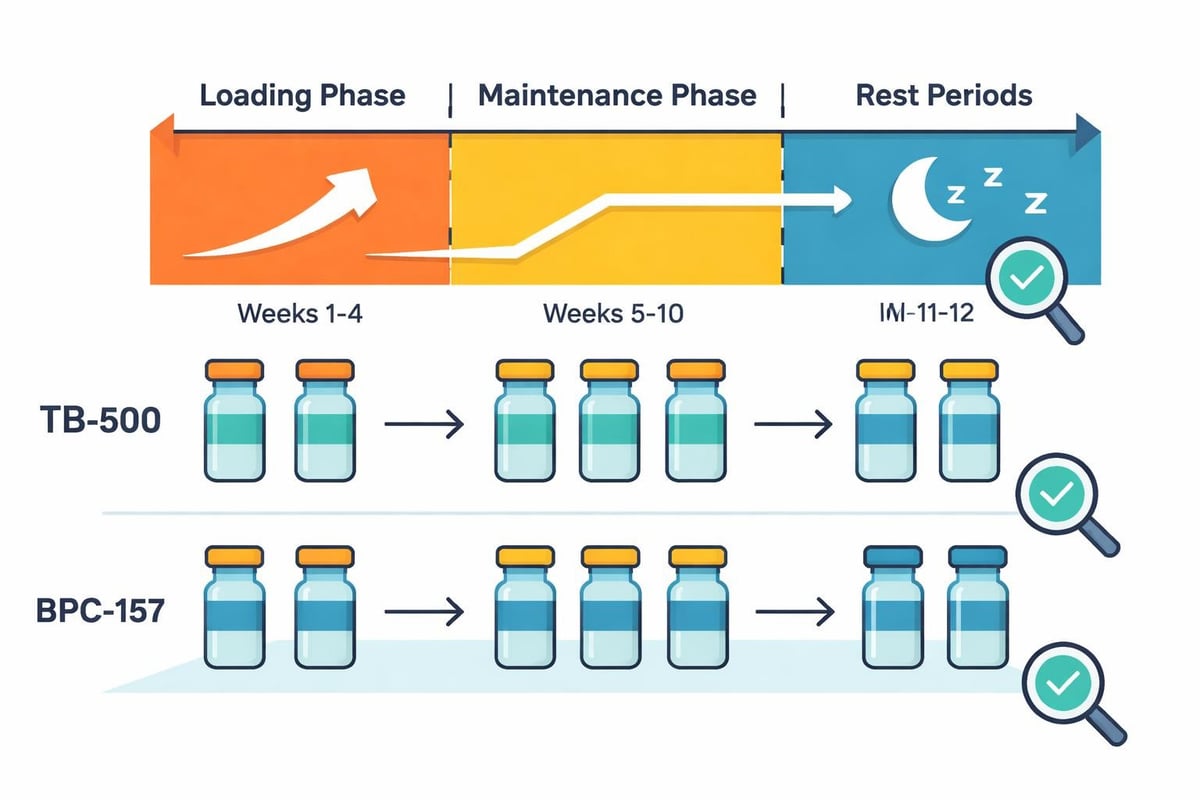
Many users report starting with a 4-6 week loading phase using both peptides at moderate to higher doses, then transitioning to maintenance protocols for sustained benefits.
Applications and Use Cases
The tb 500 bpc 157 combination has found applications across numerous scenarios in the recovery and performance optimization space. Understanding specific use cases helps determine whether this peptide stack aligns with individual goals and needs.
Athletic Performance and Recovery
Athletes frequently explore these peptides for their potential to:
- Reduce recovery time between intense training sessions
- Support healing of minor strains and overuse injuries
- Maintain tissue health during demanding training cycles
- Accelerate return to activity following injury
The combination addresses both the acute damage from training and the cumulative stress that builds over time. This dual action makes it particularly relevant for those engaged in high-volume or high-intensity athletic pursuits.
Injury Rehabilitation
For specific injury types, the tb 500 bpc 157 stack has shown particular interest:
- Tendon injuries: Tennis elbow, Achilles tendinopathy, rotator cuff issues
- Ligament strains: MCL/LCL sprains, ankle ligament damage
- Muscle tears: Hamstring pulls, quadriceps strains, calf tears
- Joint health: Supporting cartilage and synovial fluid production
- Surgical recovery: Post-operative healing and scar tissue management
The mechanisms of these peptides suggest they could support natural healing processes, though individual results may vary significantly.
Age-Related Tissue Maintenance
Beyond acute injuries, the peptide combination has attracted interest from those focused on longevity and age-related tissue health:
- Maintaining tissue elasticity and structural integrity
- Supporting joint health as natural healing slows with age
- Preserving muscle mass and recovery capacity
- Protecting gut health and digestive function
These applications reflect a preventive approach rather than reactive injury treatment, aligning with broader anti-aging and health optimization strategies.
Safety Considerations and Regulatory Status
The regulatory landscape surrounding tb 500 bpc 157 remains complex and continues to evolve. As of 2026, neither peptide has received FDA approval for human therapeutic use. According to recent reporting, these peptides exist in a regulatory gray area, often marketed for research purposes only.
Current Regulatory Framework
Important considerations include:
- Not approved for human consumption by regulatory agencies
- Banned by major sports organizations including WADA
- Available primarily through research chemical suppliers
- Quality and purity can vary significantly between sources
- Long-term safety data remains limited
These factors underscore the importance of sourcing peptides from reputable suppliers that provide third-party testing and certificates of analysis. Premium quality peptides undergo rigorous purification and quality control processes to ensure consistency and purity.
Potential Side Effects
While generally considered well-tolerated in anecdotal reports, potential side effects have been noted:
- Mild injection site reactions (redness, swelling)
- Temporary fatigue or lethargy during initial dosing
- Headaches in some users
- Rare reports of dizziness or nausea
Most reported side effects appear mild and transient, resolving as the body adjusts to the peptides. However, individual responses vary, and consultation with qualified healthcare providers remains advisable.
Comparing TB 500 BPC 157 Effectiveness
Understanding which peptide might be more appropriate for specific situations helps optimize recovery protocols. While they work synergistically, each has particular strengths that may be more relevant depending on individual circumstances.
When to Prioritize TB-500
TB-500 may be particularly beneficial for:
- Systemic inflammation requiring whole-body anti-inflammatory effects
- Muscle injuries involving significant tissue damage
- Chronic conditions where improved blood flow could benefit multiple areas
- Athletic performance during intensive training blocks
The peptide's robust effects on angiogenesis and systemic inflammation make it valuable when widespread healing support is needed rather than targeted local repair.
When BPC-157 Takes Priority
BPC-157 shows particular promise in:
- Tendon-to-bone healing where attachment site repair is crucial
- Gut health issues including inflammatory digestive conditions
- Nerve-related injuries or neurological healing requirements
- Targeted local healing where site-specific injection could benefit
For a detailed comparison of recovery applications, understanding these distinctions helps guide protocol design.
Administration and Best Practices
Proper administration of tb 500 bpc 157 maximizes potential benefits while minimizing complications. Following established protocols and maintaining consistency produces more predictable results than haphazard approaches.
Injection Techniques and Sites
Both peptides are typically administered through subcutaneous or intramuscular injection:
Subcutaneous sites include:
- Abdominal area (away from navel)
- Upper thigh
- Back of upper arm
Intramuscular options encompass:
- Deltoid muscle
- Vastus lateralis (outer thigh)
- Gluteal muscles
Site rotation prevents tissue irritation and ensures consistent absorption. Using bacteriostatic water for reconstitution maintains sterility and allows for multiple doses from a single vial.
Storage and Handling
Proper storage preserves peptide integrity:
| Form | Storage Temp | Duration | Notes |
|---|---|---|---|
| Lyophilized (powder) | Room temperature | 2-3 years | Keep away from light |
| Lyophilized (powder) | Refrigerated | 3+ years | Optimal long-term storage |
| Reconstituted | Refrigerated | 30 days | Use bacteriostatic water |
| Reconstituted | Frozen | Not recommended | May damage peptide structure |
Always inspect peptides before use, looking for changes in color or clarity that might indicate degradation.
Cycling and Long-Term Use Strategies
Strategic cycling of tb 500 bpc 157 can optimize results while managing costs and preventing potential tolerance issues. Different approaches suit different goals and timelines.
Standard Cycling Protocols
Most users follow one of these cycling patterns:
- Injury protocol: 6-8 weeks on, evaluate, continue if needed
- Performance protocol: 4-6 weeks on, 4 weeks off, repeat
- Maintenance protocol: Low dose continuous use with periodic breaks
- Targeted protocol: Use only during high-stress training or injury periods
Monitoring Progress and Adjustments
Tracking progress helps determine protocol effectiveness:
- Pain levels: Daily ratings on a 1-10 scale
- Range of motion: Weekly measurements of affected joints
- Functional capacity: Specific movements or weights that were previously limited
- Subjective recovery: How quickly soreness resolves after training
Adjustments should be data-driven rather than impulsive, allowing sufficient time to assess each protocol change before making additional modifications.
Integration with Other Recovery Modalities
The tb 500 bpc 157 combination works best as part of a comprehensive recovery approach rather than a standalone solution. Integrating these peptides with proven recovery methods creates synergistic effects.
Complementary Recovery Strategies
Physical interventions that pair well with peptide use:
- Progressive rehabilitation exercises
- Manual therapy and soft tissue work
- Appropriate rest and load management
- Gradual return to activity protocols
Nutritional support enhances peptide effectiveness:
- Adequate protein intake (1.6-2.2g per kg bodyweight)
- Anti-inflammatory dietary patterns
- Sufficient micronutrients, particularly vitamin C and zinc
- Proper hydration supporting cellular function
Other recovery peptides from Soma Peptide can complement tb 500 bpc 157, including growth hormone secretagogues for additional recovery support.
Lifestyle Factors Affecting Outcomes
Recovery occurs within the broader context of overall health:
- Sleep quality: 7-9 hours nightly for optimal tissue repair
- Stress management: Chronically elevated cortisol impairs healing
- Movement patterns: Addressing biomechanical issues preventing re-injury
- Training program design: Appropriate volume and intensity progression
These foundational elements determine how effectively the body can utilize the healing support that peptides provide.
Quality and Sourcing Considerations
The effectiveness and safety of tb 500 bpc 157 depend heavily on peptide quality. Variability in purity, concentration, and contamination levels significantly impacts both results and risk profiles.
Identifying Quality Peptides
Key quality indicators include:
- Third-party testing with accessible certificates of analysis
- HPLC purity testing showing >98% purity
- Mass spectrometry confirming molecular structure
- Sterility testing for injectable preparations
- Consistent dosing across batches
Reputable suppliers provide detailed testing documentation and maintain transparent manufacturing processes. Advanced purification methods and stringent quality control standards distinguish premium peptides from questionable sources.
Red Flags to Avoid
Warning signs of low-quality peptide sources:
- Lack of testing documentation or certificates of analysis
- Prices significantly below market averages
- Poor website security or unprofessional presentation
- No clear information about sourcing or manufacturing
- Unrealistic marketing claims or guaranteed outcomes
Quality peptides represent an investment in both effectiveness and safety. Cutting corners on sourcing often leads to disappointing results or potential health risks.
Understanding how tb 500 bpc 157 work individually and in combination empowers informed decisions about recovery protocols and tissue health optimization. These peptides offer complementary mechanisms that address healing from multiple angles, making them valuable tools for those seeking enhanced recovery capabilities. When sourced from reputable suppliers committed to purity and quality, Soma Peptide provides access to premium peptides backed by rigorous testing and quality control standards, supporting your recovery and performance goals with products you can trust.