


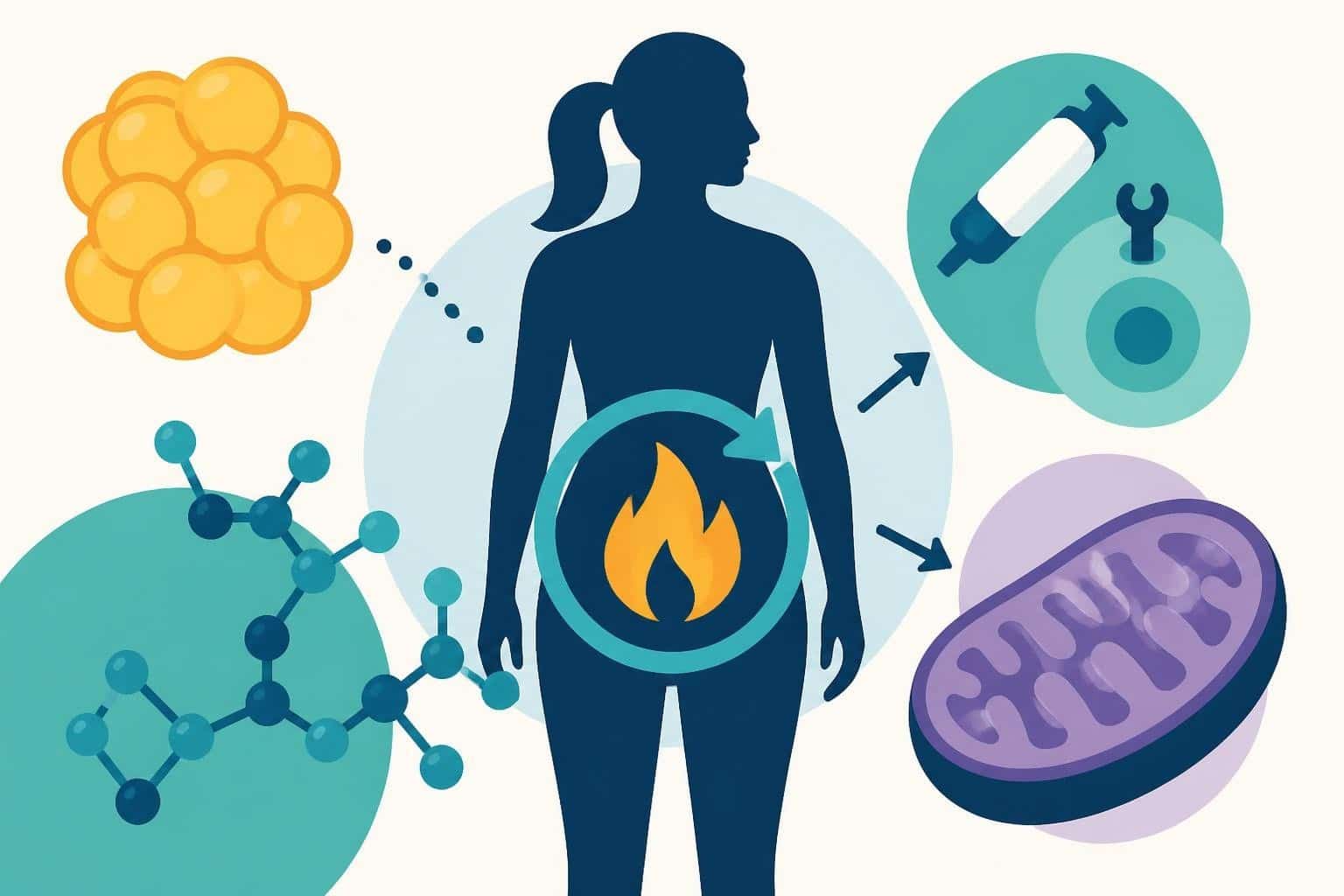
The search for effective weight management solutions has led researchers and health enthusiasts to explore various peptide compounds, with BPC-157 emerging as a topic of growing interest. While primarily recognized for its regenerative and healing properties, questions about bpc 157 weight loss potential have sparked considerable discussion within the peptide research community. This synthetic peptide, derived from a protective protein found in human gastric juice, demonstrates multiple biological activities that may indirectly influence body composition and metabolic function. Understanding the current research landscape, proposed mechanisms, and realistic expectations around this compound requires a careful examination of available evidence and expert perspectives.
Understanding BPC-157 and Its Primary Functions
BPC-157, short for Body Protection Compound-157, represents a partial sequence of a larger protective protein naturally present in the digestive system. Researchers have studied this pentadecapeptide extensively for its remarkable tissue repair capabilities and anti-inflammatory effects.
The compound demonstrates stability in human gastric juice and maintains its structural integrity when administered through various routes. This stability contributes to its widespread investigation in preclinical models examining tissue healing, vascular health, and inflammatory modulation.
Established Mechanisms of Action
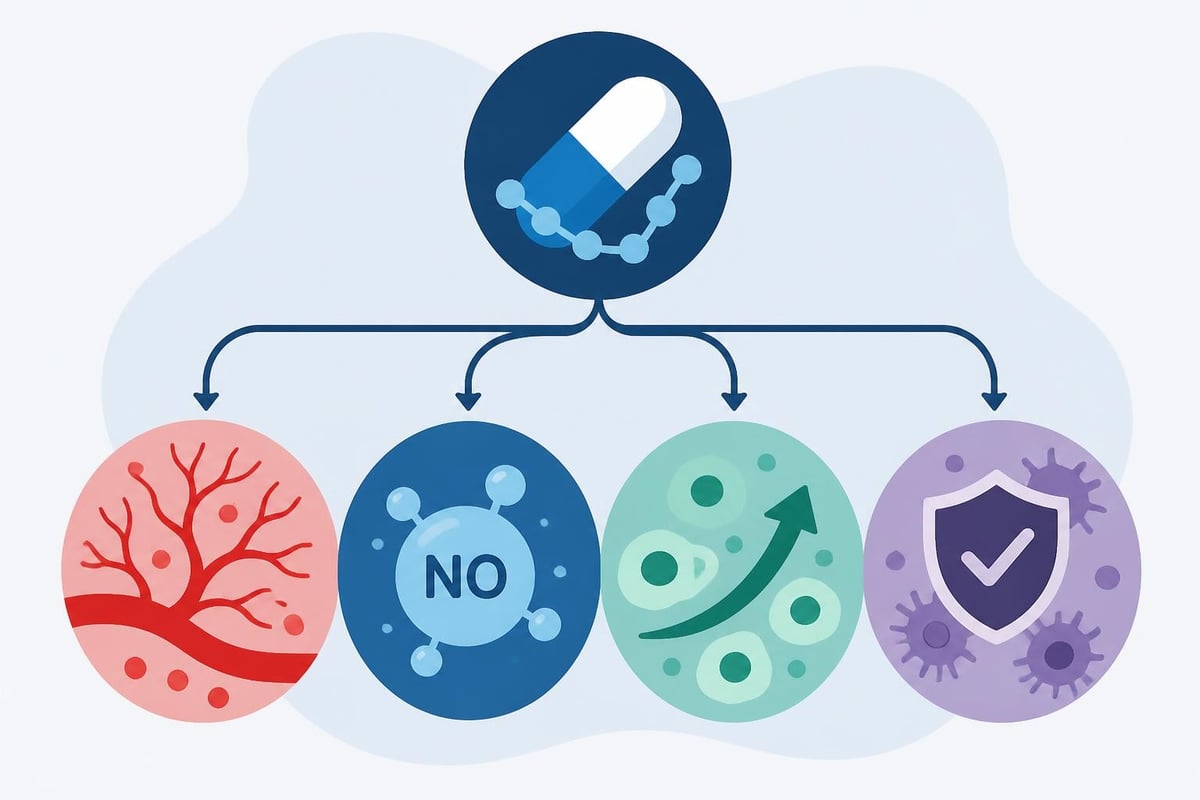
BPC-157 operates through several well-documented biological pathways:
- Angiogenesis promotion through vascular endothelial growth factor (VEGF) pathway activation
- Nitric oxide production enhancement supporting blood flow and tissue perfusion
- Growth factor modulation affecting tissue regeneration and cellular repair
- Inflammatory cascade regulation reducing pro-inflammatory cytokine expression
- Cellular migration facilitation enabling faster tissue remodeling
These mechanisms position BPC-157 primarily as a healing and recovery agent rather than a metabolic intervention. According to comprehensive research reviews, the peptide's effects on systemic metabolism remain less characterized compared to its regenerative properties.
The Connection Between BPC-157 and Weight Loss
The relationship between bpc 157 weight loss outcomes stems largely from indirect metabolic influences rather than direct fat-burning effects. Unlike specialized weight loss peptides that target specific metabolic hormones, BPC-157's potential impact on body composition appears to operate through more subtle mechanisms.
Indirect Metabolic Influences
BPC-157 may affect weight management through several interconnected pathways that support overall metabolic health:
Enhanced Recovery and Activity Levels
When individuals experience faster recovery from physical training, they can maintain more consistent exercise routines. BPC-157's documented tissue repair properties may enable higher training volumes without extended downtime, potentially increasing overall energy expenditure.
Digestive System Optimization
The peptide's protective effects on the gastrointestinal tract could theoretically improve nutrient absorption efficiency and reduce inflammation-related metabolic disruption. Optimal digestive function supports better energy utilization and metabolic balance.
Insulin Sensitivity Considerations
Some preclinical studies suggest BPC-157 may influence glucose metabolism and insulin signaling pathways. Improved insulin sensitivity typically correlates with better fat metabolism and reduced adipose tissue accumulation, though human data remains limited.
| Potential Mechanism | Theoretical Impact | Evidence Level |
|---|---|---|
| Recovery Enhancement | Increased training capacity | Moderate (preclinical) |
| Digestive Health | Better nutrient utilization | Moderate (preclinical) |
| Insulin Sensitivity | Improved glucose metabolism | Limited (animal models) |
| Direct Fat Oxidation | Increased fat burning | Very limited |
| Appetite Regulation | Reduced caloric intake | Insufficient data |
The Research Reality Check
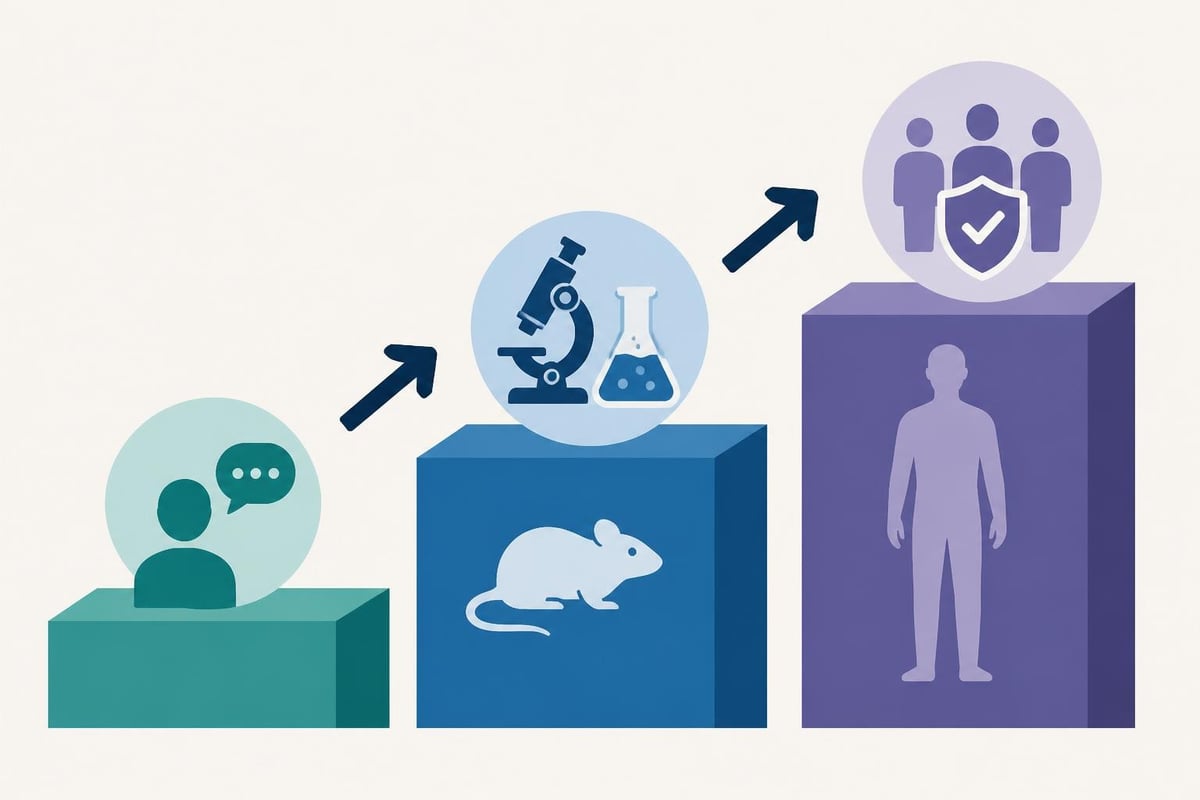
Critical examinations of BPC-157’s weight loss claims emphasize a crucial point: virtually no human clinical trials specifically investigate bpc 157 weight loss as a primary outcome. Most evidence derives from animal studies examining healing processes, with metabolic effects observed as secondary findings.
The absence of controlled human trials means that dosing protocols, expected results, and individual variability remain largely uncharacterized for weight management purposes. This gap between anecdotal reports and scientific validation requires careful consideration.
Comparing BPC-157 to Dedicated Weight Loss Peptides
Understanding where BPC-157 fits within the broader peptide landscape helps establish realistic expectations. The weight loss peptide category includes compounds specifically designed to target metabolic pathways governing appetite, energy expenditure, and fat oxidation.
Specialized Metabolic Peptides
Certain peptides demonstrate direct, well-documented effects on weight management:
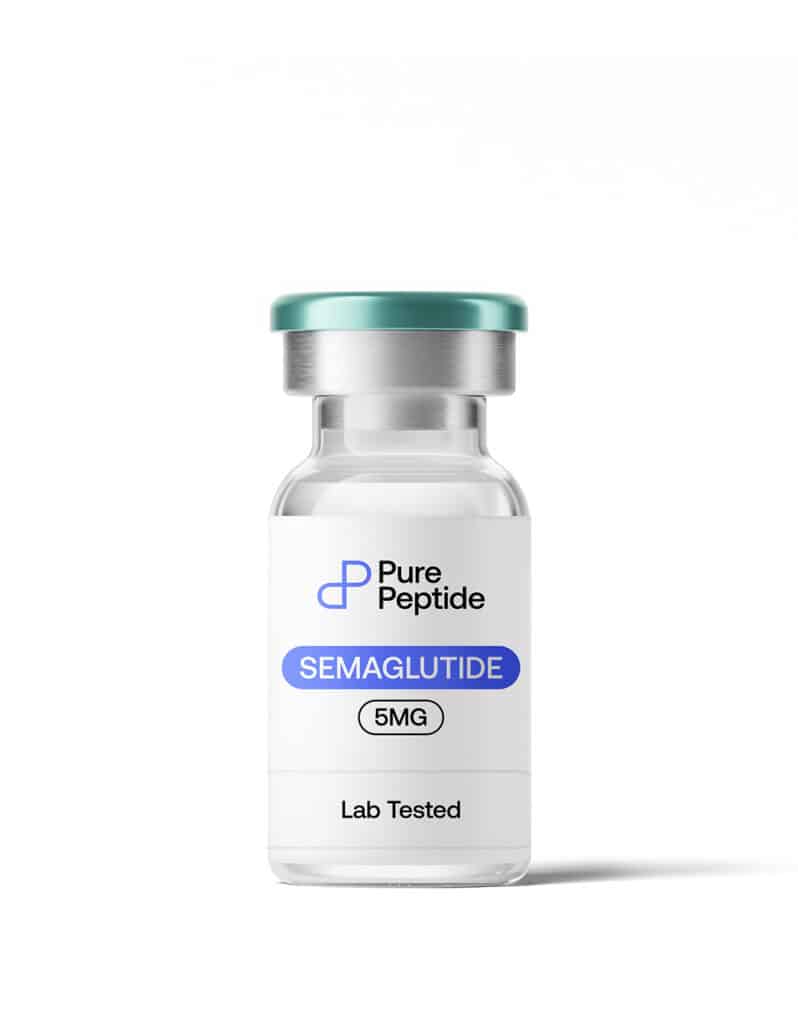
- GLP-1 receptor agonists that reduce appetite and slow gastric emptying
- Growth hormone secretagogues that promote lipolysis and lean mass preservation
- Triple agonist compounds targeting multiple metabolic receptors simultaneously
- Mitochondrial peptides enhancing cellular energy production and substrate utilization
BPC-157 does not operate through these specialized mechanisms. Its potential contribution to body composition changes likely depends on creating favorable conditions for metabolic health rather than directly triggering fat loss.
Practical Considerations for BPC-157 Use
Those considering BPC-157 for any purpose, including potential metabolic benefits, should understand several practical factors that influence outcomes and safety.
Dosing Protocols and Administration
Typical BPC-157 research protocols employ doses ranging from 200 to 1000 micrograms per day, often divided into multiple administrations. Common routes include:
- Subcutaneous injection near affected areas for localized effects
- Intramuscular injection for systemic distribution
- Oral administration leveraging its gastric stability
- Site-specific application for targeted tissue repair
For individuals exploring bpc 157 weight loss applications specifically, no standardized dosing protocol exists. Most users adapt protocols designed for recovery and healing purposes, which may or may not translate to metabolic benefits.
Timeline and Expectation Management
Recovery-focused BPC-157 use typically involves cycles of 4 to 12 weeks, with effects on tissue repair becoming apparent within 1 to 3 weeks. Research databases tracking BPC-157 clinical trials show varied study durations, but metabolic outcomes rarely serve as primary endpoints.
Any potential weight changes associated with BPC-157 would likely emerge gradually through:
- Improved training consistency enabling greater energy expenditure
- Reduced inflammation supporting better metabolic function
- Enhanced recovery allowing progressive overload in resistance training
- Optimized digestive health improving nutrient partitioning
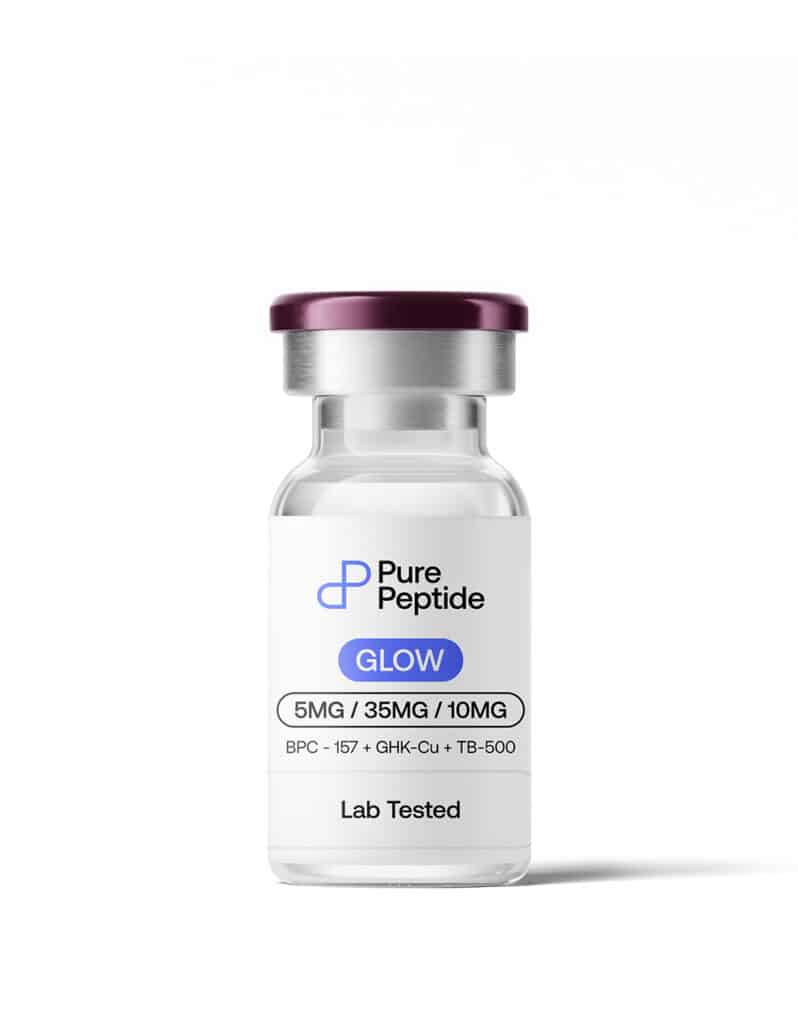
BPC-157 supports the body's natural healing response by aiding tissue repair, reducing inflammation, and promoting faster recovery across multiple systems. These regenerative properties position BPC-157 as a valuable tool for those seeking to optimize their recovery protocols and maintain consistent training schedules that support body composition goals.

Synergistic Approaches and Combination Strategies
While BPC-157 alone may provide limited direct weight loss effects, strategic combinations with other interventions could theoretically enhance metabolic outcomes through complementary mechanisms.
Peptide Stacking Considerations
Some individuals combine BPC-157 with compounds that more directly target metabolic pathways:
Growth Hormone Pathway Support
Pairing recovery-focused peptides with growth hormone secretagogues may address both tissue repair and metabolic enhancement simultaneously. This approach leverages BPC-157's healing properties while utilizing other compounds for their lipolytic effects.
Metabolic Optimization Compounds
Mitochondrial peptides that enhance cellular energy production combined with BPC-157's anti-inflammatory effects could theoretically create favorable conditions for fat metabolism and lean mass preservation.
Multi-Mechanism Blends
Peptide blends designed for recovery often combine compounds with overlapping yet distinct mechanisms, potentially creating synergistic effects that support both healing and metabolic health.
Lifestyle Integration
The most significant factor determining any bpc 157 weight loss outcomes remains lifestyle integration:
- Consistent resistance training to stimulate muscle protein synthesis
- Progressive cardiovascular exercise for energy expenditure
- Optimized nutrition supporting recovery and body composition
- Adequate sleep quality enabling hormonal balance and tissue repair
- Stress management reducing cortisol-related metabolic disruption
BPC-157 may enhance these fundamental practices by enabling better recovery, but it cannot compensate for inadequate attention to these core elements.
Safety Profile and Quality Considerations
Understanding the safety landscape and quality factors surrounding BPC-157 helps users make informed decisions aligned with their health priorities.
Known Safety Parameters
Comprehensive scientific guides on BPC-157 note its generally favorable safety profile in preclinical studies, with minimal adverse effects reported at standard research doses. However, long-term human safety data remains limited.
Common considerations include:
- Injection site reactions with subcutaneous or intramuscular administration
- Individual variability in response and tolerance
- Unknown long-term effects due to absence of extended human trials
- Potential interactions with medications or other supplements
Quality and Purity Standards
The peptide marketplace varies significantly in quality standards, manufacturing processes, and purity testing. Premium peptides undergo rigorous quality control including:
- High-performance liquid chromatography (HPLC) verification
- Mass spectrometry confirmation of molecular structure
- Sterility testing for injectable formulations
- Potency assurance through standardized testing protocols
Working with suppliers that prioritize these quality measures ensures users receive compounds matching their labeled specifications and purity claims.
Evidence-Based Perspective on BPC-157 Weight Loss Claims
Critical analyses of BPC-157 weight loss evidence consistently emphasize the distinction between theoretical mechanisms, animal study findings, and validated human outcomes.
What the Research Actually Shows
Current scientific literature demonstrates:
- Strong evidence for tissue repair and wound healing in animal models
- Moderate evidence for anti-inflammatory effects across various tissues
- Limited evidence for direct metabolic effects relevant to weight loss
- Insufficient evidence for fat oxidation enhancement in humans
- No controlled trials specifically examining bpc 157 weight loss as a primary outcome
This evidence hierarchy matters significantly when setting realistic expectations and making informed decisions about peptide use.
Anecdotal Reports Versus Clinical Data
Many online discussions feature personal testimonials about weight changes during BPC-157 use. These reports, while interesting, cannot replace controlled research for several reasons:
| Factor | Anecdotal Reports | Clinical Research |
|---|---|---|
| Placebo Control | Absent | Included |
| Confounding Variables | Uncontrolled | Minimized |
| Measurement Standards | Inconsistent | Standardized |
| Sample Size | Individual cases | Statistical power |
| Bias Recognition | Limited | Addressed through design |
Making Informed Decisions About BPC-157
Those considering BPC-157 for any application, including potential metabolic benefits, benefit from a structured decision-making framework that weighs evidence, goals, and realistic expectations.
Evaluating Personal Goals and Priorities
BPC-157 demonstrates its strongest evidence base for recovery and tissue repair applications. Individuals primarily seeking weight loss would likely achieve better results with:
- Peptides specifically targeting metabolic pathways and appetite regulation
- Comprehensive lifestyle interventions addressing nutrition and activity
- Medical supervision for metabolic optimization when appropriate
- Patience with sustainable approaches rather than quick fixes
However, those dealing with injury recovery or chronic inflammation that limits training capacity might find BPC-157's primary effects valuable for enabling the consistent activity necessary for body composition changes.
Working with Qualified Professionals
Evidence and safety reviews of BPC-157 recommend medical supervision when using research peptides, particularly for individuals with pre-existing health conditions or those taking medications.
Qualified healthcare providers can offer:
- Baseline health assessments and monitoring protocols
- Integration with existing treatment plans
- Personalized dosing considerations based on individual factors
- Recognition of potential contraindications or interactions
- Objective outcome tracking beyond subjective impressions
Setting Realistic Expectations
The bpc 157 weight loss discussion benefits from honest expectation setting. This compound likely will not produce dramatic fat loss in isolation from other interventions. Its value proposition centers on:
- Supporting recovery that enables consistent training
- Reducing inflammation that may impair metabolic function
- Promoting tissue health that allows progressive exercise intensity
- Creating conditions favorable for overall metabolic optimization
These indirect effects may contribute to body composition improvements over time, particularly when combined with dedicated nutrition and training protocols.
Alternative Peptides for Direct Metabolic Effects
For individuals whose primary goal involves weight management rather than recovery, several peptides demonstrate more direct metabolic mechanisms worth exploring.
The best peptides for specific applications vary based on individual metabolic profiles, health status, and goals. Compounds with stronger metabolic evidence include growth hormone secretagogues, GLP-1 receptor agonists, and specialized metabolic modulators designed specifically for body composition optimization.
Understanding the distinct mechanisms and evidence bases for different peptide categories helps users select compounds aligned with their primary objectives rather than relying on compounds with primarily indirect metabolic effects.
Quality Sourcing and Implementation
Success with any peptide therapy depends significantly on compound quality, proper reconstitution, accurate dosing, and consistent administration protocols.
Identifying Premium Quality Peptides
Several factors distinguish high-quality peptide suppliers:
- Third-party testing verification with certificates of analysis
- Proper storage and handling maintaining compound stability
- Clear labeling of purity percentages and concentration
- Lyophilized formulations when appropriate for stability
- Customer support for reconstitution and administration guidance
Resources like peptide calculators help users determine appropriate reconstitution volumes and dosing based on compound concentration and desired protocols.
Administration Best Practices
Proper technique ensures optimal absorption and minimizes potential complications:
- Follow sterile procedures for all reconstitution and injection steps
- Rotate injection sites to prevent tissue irritation
- Store reconstituted peptides according to manufacturer guidelines
- Track administration timing and any observed effects
- Maintain consistent protocols throughout evaluation periods
These fundamental practices apply regardless of which peptides users incorporate into their health optimization strategies.
While BPC-157's primary strengths lie in tissue repair and recovery rather than direct fat loss, its indirect metabolic influences may support body composition goals when integrated within comprehensive lifestyle interventions. The current evidence base emphasizes realistic expectations and recognition that this compound operates differently from specialized weight loss peptides. For those seeking premium quality peptides with rigorous purity standards and expert support, Soma Peptide provides the advanced purification methods and quality control necessary for confident peptide use aligned with your specific health optimization goals.