

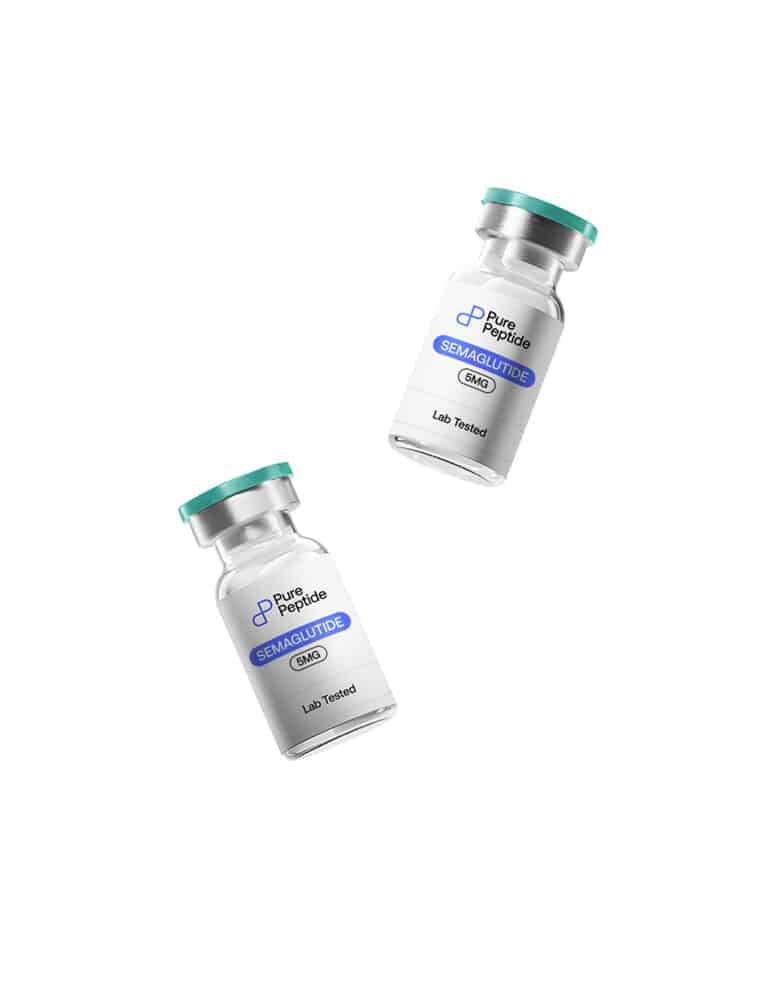

The Canadian peptide market has experienced remarkable growth in 2026, driven by increased interest in research applications spanning weight management, muscle development, recovery optimization, and anti-aging studies. For researchers and institutions looking to buy peptides Canada, understanding the regulatory landscape, quality standards, and supplier selection criteria has become essential. This comprehensive guide explores everything you need to know about purchasing research peptides in Canada while maintaining compliance with Health Canada regulations and ensuring product quality meets the highest industry standards.
Understanding the Canadian Peptide Regulatory Framework
The regulatory environment surrounding peptides in Canada operates under strict Health Canada oversight. Research peptides fall into a specific category that requires careful attention to legal compliance and proper usage guidelines. Health Canada has issued warnings about unauthorized injectable peptide drugs, emphasizing the critical importance of purchasing from authorized sources.
Legal Status of Research Peptides
Research peptides occupy a distinct position within Canadian law. These compounds are approved exclusively for laboratory research purposes and must not be marketed or sold for human consumption. When you buy peptides Canada, suppliers must clearly label products as research chemicals and include appropriate disclaimers regarding their intended use.
Key regulatory considerations include:
- Products must be clearly labeled for research purposes only
- Suppliers cannot make therapeutic claims about peptides
- Documentation should accompany all purchases
- Import regulations apply to international shipments
- Storage and handling requirements must be met
The distinction between research peptides and therapeutic drugs remains crucial for compliance. Reputable suppliers ensure all products meet these regulatory standards while providing transparent information about their intended applications.
Compliance Requirements for Researchers
Canadian researchers must adhere to specific protocols when working with peptides. Institutional review boards often require documentation of peptide sources, purity certificates, and intended research applications. Understanding compliance, ethics, and best practices in peptide research helps ensure your work meets professional standards.
| Compliance Area | Requirements | Documentation Needed |
|---|---|---|
| Institutional Approval | Ethics board review | Research protocol |
| Source Verification | Authorized supplier | Purchase records |
| Quality Control | Purity certificates | COA documents |
| Storage Protocols | Proper temperature control | Handling logs |
| Usage Tracking | Consumption records | Research notes |
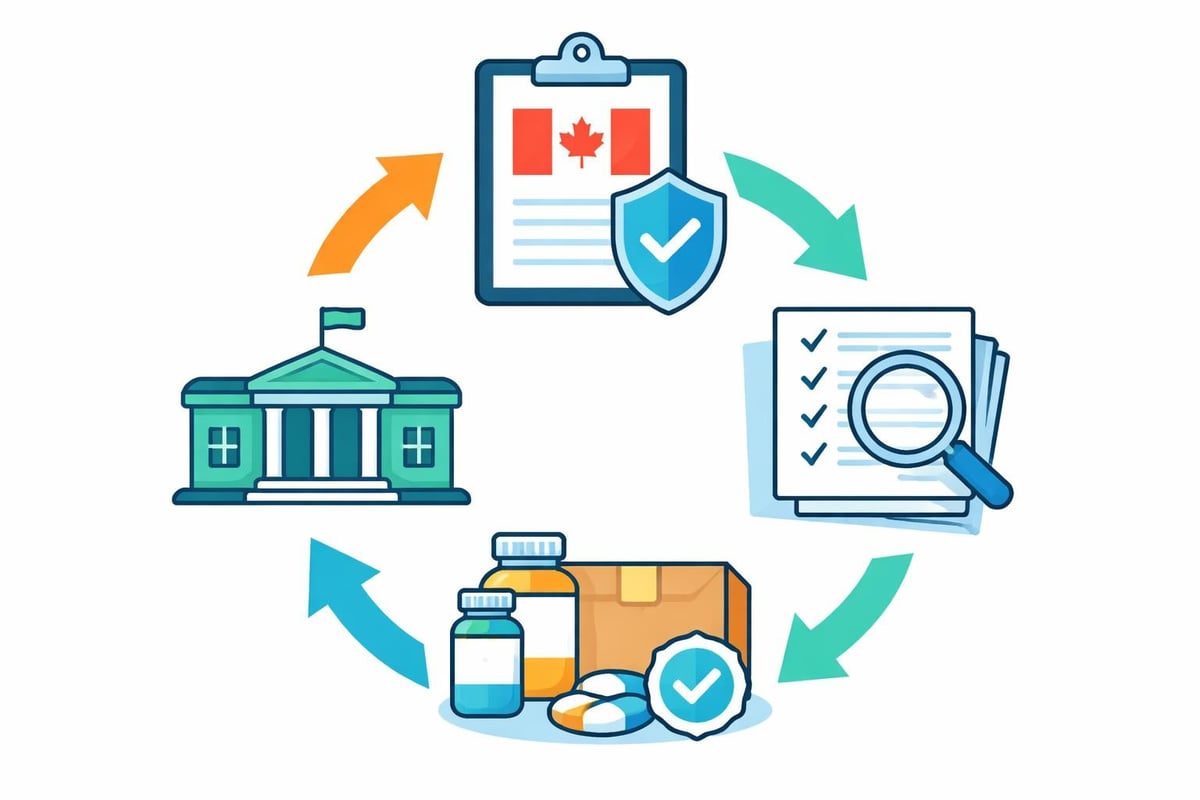
Quality Standards When You Buy Peptides Canada
Quality represents the foundation of effective peptide research. The purity, composition, and handling of peptides directly impact research outcomes and safety protocols. Advanced purification methods and stringent quality control measures separate premium suppliers from substandard sources.
Purity Verification and Testing
High-quality peptides undergo multiple verification stages before reaching researchers. HPLC (High-Performance Liquid Chromatography) testing provides detailed purity analysis, while mass spectrometry confirms molecular structure and composition. When evaluating suppliers, request Certificates of Analysis (COAs) that demonstrate third-party testing results.
Essential quality indicators include:
- HPLC purity ratings above 98%
- Mass spectrometry confirmation
- Endotoxin level testing
- Sterility verification for injectable preparations
- Proper storage conditions maintained throughout distribution
Premium suppliers maintain batch-to-batch consistency through rigorous manufacturing protocols. Each production run undergoes independent testing to verify peptide sequences match specifications and contamination remains below detectable thresholds.
Manufacturing and Purification Processes
The synthesis method significantly impacts final peptide quality. Solid-phase peptide synthesis (SPPS) represents the gold standard for producing research-grade peptides. This process builds peptide chains amino acid by amino acid, allowing precise control over sequence accuracy.
Following synthesis, purification removes unwanted byproducts and ensures optimal purity levels. Multiple purification cycles using advanced chromatography techniques eliminate truncated sequences, deletion peptides, and other impurities that could compromise research integrity.
Selecting a Reputable Peptide Supplier
Choosing where to buy peptides Canada requires careful evaluation of supplier credentials, business practices, and customer support capabilities. The proliferation of online vendors makes due diligence essential for researchers seeking reliable sources.
Evaluating Supplier Credentials
Legitimate peptide suppliers demonstrate transparency through comprehensive business information, accessible customer service, and clear communication about product applications. Understanding what research peptides are helps researchers identify suppliers who properly position their products within regulatory frameworks.
Research supplier backgrounds by examining business registration, customer reviews, and industry reputation. Established suppliers maintain professional websites with detailed product information, educational resources, and responsive support teams.
| Supplier Attribute | Red Flags | Green Flags |
|---|---|---|
| Website Quality | Poor design, missing information | Professional, comprehensive details |
| Product Claims | Therapeutic promises | Research-only positioning |
| Pricing | Significantly below market | Competitive, reasonable |
| Documentation | No COAs available | Batch-specific certificates |
| Customer Service | Unresponsive, evasive | Knowledgeable, helpful |
| Shipping | Unclear policies | Proper cold chain management |
Product Range and Specialization
Comprehensive suppliers offer diverse peptide selections while maintaining quality across their catalog. Look for vendors specializing in research peptides with established track records in specific application areas. Whether seeking peptides for metabolic research, muscle development studies, or anti-aging investigations, supplier expertise matters.
Popular research peptides in Canada include compounds supporting various research objectives. Suppliers should provide detailed product descriptions, molecular formulas, and recommended storage conditions for each peptide variety.

Import Regulations and Customs Considerations
International peptide purchases involve additional complexity through customs requirements and import regulations. Canadian researchers must understand these processes to ensure legal compliance and smooth delivery of research materials.
Navigating Customs Procedures
Customs and import regulations for peptides require specific documentation and declarations. Packages must clearly identify contents as research chemicals, include proper labeling, and provide necessary permits when applicable.
Import documentation typically includes:
- Commercial invoice with accurate product descriptions
- Material Safety Data Sheets (MSDS)
- Certificates of Analysis demonstrating composition
- Research institution affiliation documentation
- Import permits if required for controlled substances
Working with suppliers experienced in Canadian regulations streamlines the import process. They understand documentation requirements and package products to meet customs standards while maintaining cold chain integrity during transit.
Domestic vs. International Sourcing
Purchasing from domestic Canadian suppliers eliminates customs complications and reduces shipping times. However, international sources may offer specific peptides unavailable domestically or more competitive pricing on certain compounds.
Weigh these factors when deciding where to buy peptides Canada. Domestic suppliers provide faster delivery, simpler regulatory compliance, and support for local businesses. International vendors might offer broader selection or specialized peptides not yet available through Canadian sources.
Storage and Handling Best Practices
Proper peptide storage preserves molecular stability and ensures research validity. Temperature control, light exposure, and reconstitution procedures all impact peptide integrity over time.
Optimal Storage Conditions
Most lyophilized (freeze-dried) peptides require storage at -20°C or colder to maintain long-term stability. Once reconstituted, peptides typically need refrigeration at 2-8°C and should be used within specified timeframes to prevent degradation.
- Lyophilized peptides: Store at -20°C, protected from light
- Reconstituted solutions: Refrigerate at 2-8°C, use within 30 days
- Avoid freeze-thaw cycles: Aliquot solutions for single-use portions
- Protect from light: Use amber vials or store in darkness
- Monitor temperature: Use calibrated freezers with alarm systems
Maintaining detailed storage logs helps track peptide viability and identifies potential degradation issues. Date all vials upon receipt and reconstitution to ensure timely usage within stability windows.
Reconstitution Protocols
Proper injection preparation techniques extend to reconstitution procedures for research applications. Use sterile bacteriostatic water or appropriate diluents as specified by manufacturers. Add solvent slowly down vial sides to minimize foaming and mechanical stress on peptide chains.
Allow reconstituted solutions to reach equilibrium before use, typically 15-30 minutes at room temperature. Gentle swirling dissolves peptides without creating destructive shear forces that could damage molecular structure.
Popular Research Peptides in the Canadian Market
The Canadian research community demonstrates particular interest in specific peptide compounds supporting various investigational areas. Understanding these commonly studied peptides helps researchers identify relevant compounds for their work.
Weight Management and Metabolic Research
Metabolic and weight peptides represent significant research focus areas in Canada. Compounds like semaglutide, tirzepatide, and retatrutide have attracted considerable scientific attention for their potential mechanisms in metabolic regulation studies.
Researchers investigating these peptides examine various physiological pathways and cellular responses. Studies explore receptor binding, signaling cascades, and metabolic pathway interactions to better understand fundamental biological processes. Semaglutide and tirzepatide exemplify peptides commonly purchased for such research applications.
Recovery and Anti-Aging Studies
Peptides supporting cellular repair mechanisms and longevity research include compounds like epitalon, NAD+, and specialized blends designed for comprehensive investigations. These peptides enable researchers to explore cellular aging processes, DNA repair mechanisms, and mitochondrial function.
Epitalon research examines telomere dynamics and cellular senescence, while NAD+ studies focus on metabolic cofactor roles in energy production and cellular maintenance. Research applications span from basic cellular biology to complex aging pathway investigations.

Pricing Considerations and Value Assessment
Understanding peptide pricing helps researchers budget effectively while avoiding potentially compromised products. Significant price variations across suppliers often reflect differences in purity, testing rigor, and manufacturing standards.
Market Price Ranges
Research-grade peptides command premium pricing due to synthesis complexity, purification requirements, and quality verification processes. Extremely low prices typically indicate compromised quality, inadequate testing, or questionable sourcing practices.
| Peptide Type | Typical Price Range (per mg) | Quality Indicators |
|---|---|---|
| Common sequences | $0.50 – $2.00 | Standard purity, basic testing |
| Specialized compounds | $2.00 – $5.00 | High purity, comprehensive COAs |
| Novel peptides | $5.00+ | Custom synthesis, extensive verification |
Bulk purchasing may offer cost advantages for ongoing research programs requiring consistent peptide supplies. However, purchase quantities should align with stability windows to prevent waste from expired or degraded materials.
Value Beyond Base Price
Total value encompasses more than unit pricing. Consider shipping costs, delivery speed, customer support quality, and documentation completeness when evaluating suppliers. Premium vendors provide comprehensive support including dosage guidance, reconstitution advice, and troubleshooting assistance.
[Legal considerations for peptides in Canada](https://peptidepro canada.com/legal-considerations-peptides-canada/) emphasize working with compliant suppliers who maintain proper records and provide necessary documentation. This reduces institutional compliance burdens and ensures research programs meet regulatory standards.
Customer Support and Educational Resources
Quality suppliers extend value through educational content, responsive customer service, and comprehensive product support. These resources help researchers maximize experimental success while maintaining safety protocols.
Technical Support Services
Knowledgeable support teams assist with product selection, dosage calculations, and reconstitution protocols. When you buy peptides Canada from established suppliers, expect access to technical specialists who understand research applications and can provide guidance on optimal usage.
Support extends beyond purchase transactions to include ongoing assistance throughout research programs. Questions about storage optimization, stability concerns, or experimental design receive prompt, informed responses from experienced teams.
Educational Content and Protocols
Comprehensive suppliers maintain educational resources covering peptide fundamentals, specific compound applications, and best practices for handling and administration. Detailed dosage protocols and compound-specific guidelines demonstrate supplier commitment to researcher success and safety.
Valuable educational resources include:
- Peptide overview articles explaining mechanisms and applications
- Video demonstrations of proper reconstitution techniques
- Detailed protocol guides for specific compounds
- Safety information and handling precautions
- Research literature references and citations
These resources empower researchers to conduct rigorous, well-designed studies while maintaining appropriate safety standards and compliance protocols.
Emerging Trends in Canadian Peptide Research
The peptide research landscape continues evolving with new compounds, applications, and methodologies emerging regularly. Staying informed about these developments helps researchers identify promising investigation areas and novel experimental approaches.
Novel Peptide Compounds
Recent years have seen introduction of innovative peptide sequences designed for specific research applications. Compounds like retatrutide represent next-generation developments in metabolic research, offering unique receptor binding profiles and potential mechanism insights.
Specialized blends combining multiple peptides enable comprehensive investigations of synergistic effects and pathway interactions. These formulations support complex research designs examining multi-factor biological processes.
Advanced Research Applications
Contemporary peptide research extends beyond traditional areas into cutting-edge fields including cellular signaling, neurological pathways, and regenerative mechanisms. Compounds like selank enable anxiety and cognitive function studies, while kisspeptin supports reproductive system research.
Comprehensive guides to peptides in Canada track these evolving applications and help researchers identify relevant compounds for emerging investigation areas. The field continues expanding as new synthesis techniques enable production of increasingly complex peptide structures.
Building Long-Term Supplier Relationships
Establishing reliable supplier partnerships benefits ongoing research programs through consistent product quality, priority support, and potential cost advantages. Long-term relationships enable suppliers to better understand research needs and provide tailored recommendations.
Relationship Benefits
Consistent sourcing from trusted vendors ensures batch-to-batch consistency critical for longitudinal studies. Suppliers familiar with your research program can alert you to relevant new products, regulatory changes, or best practice updates affecting your work.
Many suppliers offer advantages to regular customers including priority processing, volume discounts, and enhanced support access. These benefits accumulate over time, providing tangible value beyond individual transactions.
Communication and Feedback
Maintaining open communication channels with suppliers improves service quality and helps vendors better serve research community needs. Provide feedback on products, share experiences with delivery processes, and communicate changing research requirements.
Quality suppliers welcome this dialogue and use researcher input to refine operations, expand product offerings, and enhance support resources. This collaborative approach benefits the entire Canadian research peptide ecosystem.
Safety Protocols and Risk Management
Responsible peptide research requires comprehensive safety protocols protecting researchers, supporting staff, and experimental integrity. Understanding potential risks and implementing appropriate safeguards ensures compliant, ethical research practices.
Laboratory Safety Measures
Peptide handling demands standard laboratory safety equipment and procedures. Personal protective equipment (PPE) including gloves, safety glasses, and lab coats provides essential protection during reconstitution and handling procedures.
Core safety protocols include:
- Designated work areas with appropriate ventilation
- Proper waste disposal following institutional guidelines
- Emergency response procedures for exposure incidents
- Regular safety training for all personnel
- Documentation of handling and storage procedures
Institutional safety committees often require specific protocols for peptide research. Coordinate with these bodies to ensure compliance with local requirements and institutional policies.
Risk Mitigation Strategies
Comprehensive risk assessment identifies potential hazards and establishes mitigation strategies. Consider allergic reactions, accidental exposure, improper storage, and contamination risks when developing safety protocols.
Maintain detailed records of peptide inventory, usage, and disposal. These logs support compliance audits, enable troubleshooting of experimental issues, and provide accountability for controlled substances when applicable.
Navigating the Canadian peptide market requires understanding regulatory requirements, quality standards, and supplier selection criteria to ensure research success and compliance. For researchers seeking premium quality peptides backed by rigorous testing and comprehensive support, Soma Peptide offers an extensive selection of compounds meeting the highest purity standards. Their commitment to advanced purification methods, transparent documentation, and customer education positions them as a trusted partner for Canadian research institutions and independent researchers pursuing cutting-edge peptide investigations.