


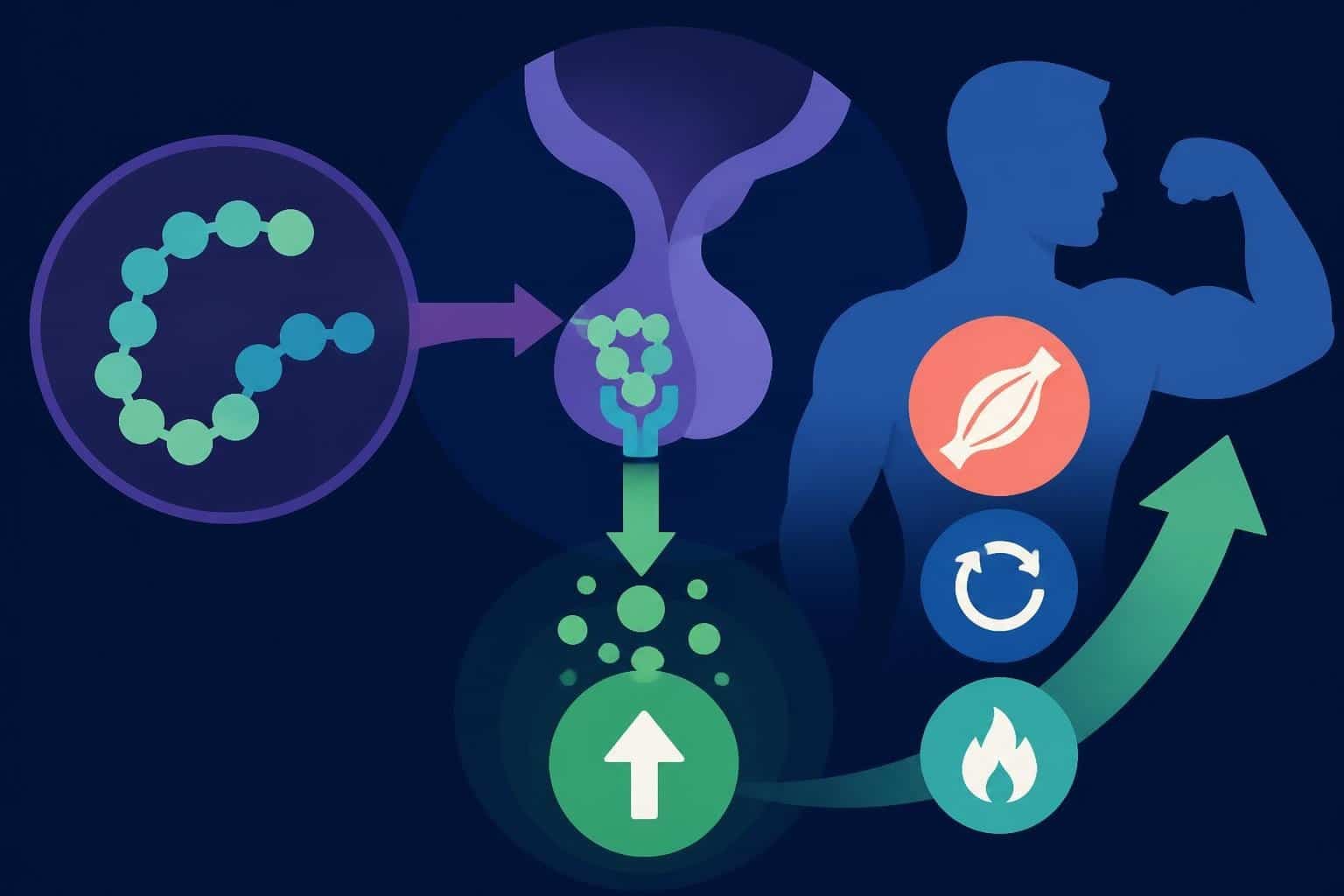
The cj1295 peptide represents a significant advancement in the field of synthetic peptides designed to optimize human growth hormone (HGH) production. Originally developed as a modified form of growth hormone-releasing hormone (GHRH), this peptide has gained widespread attention for its ability to stimulate natural HGH secretion without directly introducing exogenous growth hormone into the body. Unlike traditional HGH therapies, the cj1295 peptide works by activating the body's own regulatory mechanisms, creating a more physiological approach to hormone optimization. This distinction has made it particularly valuable for individuals seeking support with muscle growth, recovery enhancement, metabolic function, and anti-aging protocols.
Understanding the CJ1295 Peptide Structure
The cj1295 peptide consists of 30 amino acids that mirror the natural structure of GHRH while incorporating specific modifications to enhance stability and longevity. The molecular architecture of CJC-1295 creates a compound resistant to enzymatic degradation, which typically limits the effectiveness of native GHRH.
Chemical Composition and Modifications
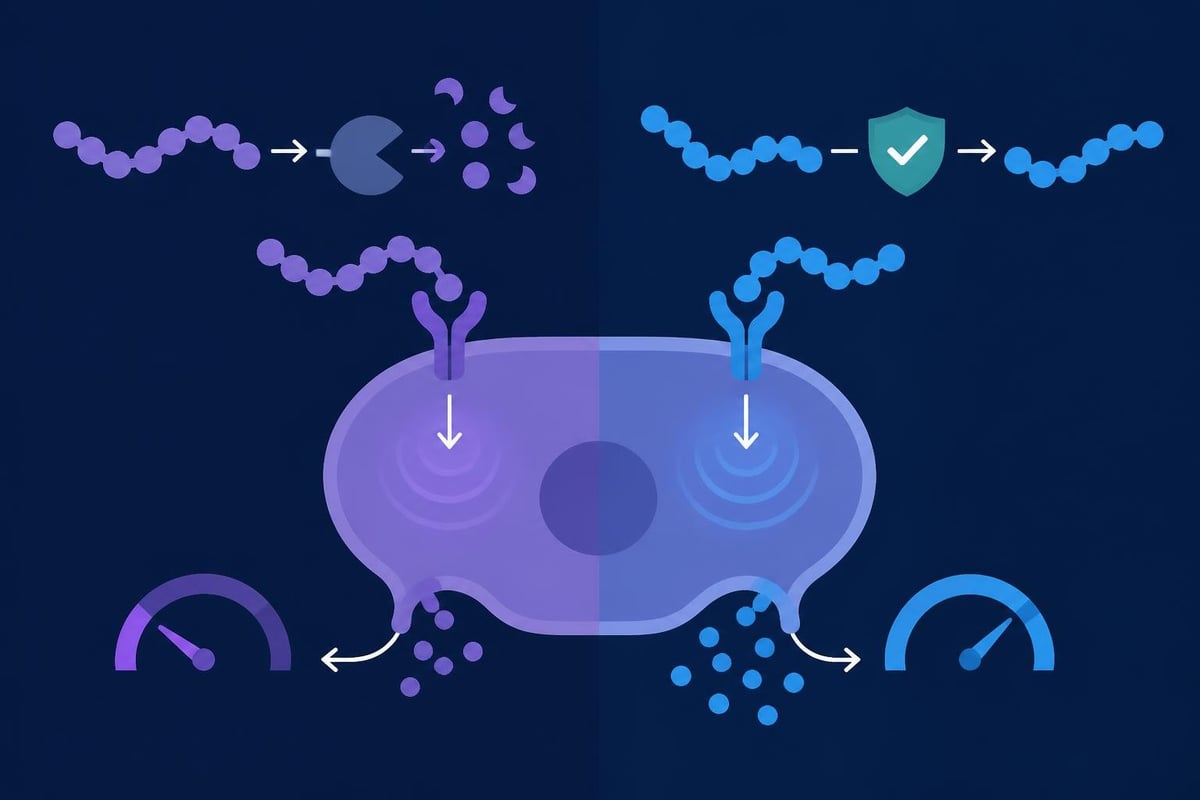
At its core, this peptide maintains the essential GHRH sequence responsible for binding to growth hormone-releasing hormone receptors on pituitary somatotrophs. However, strategic substitutions at key positions prevent rapid breakdown by dipeptidyl peptidase-IV (DPP-IV), an enzyme that normally degrades natural GHRH within minutes.
The most significant distinction exists between two variants: CJC-1295 with DAC (Drug Affinity Complex) and CJC-1295 without DAC. The DAC modification involves attaching a chemical moiety that binds to serum albumin, dramatically extending the peptide's half-life from minutes to days.
| Variant | Half-Life | Frequency | Primary Use |
|---|---|---|---|
| With DAC | 6-8 days | Once weekly | Sustained baseline elevation |
| Without DAC | 30 minutes | 2-3x daily | Pulsatile GH release |
Mechanism of Action and Physiological Effects
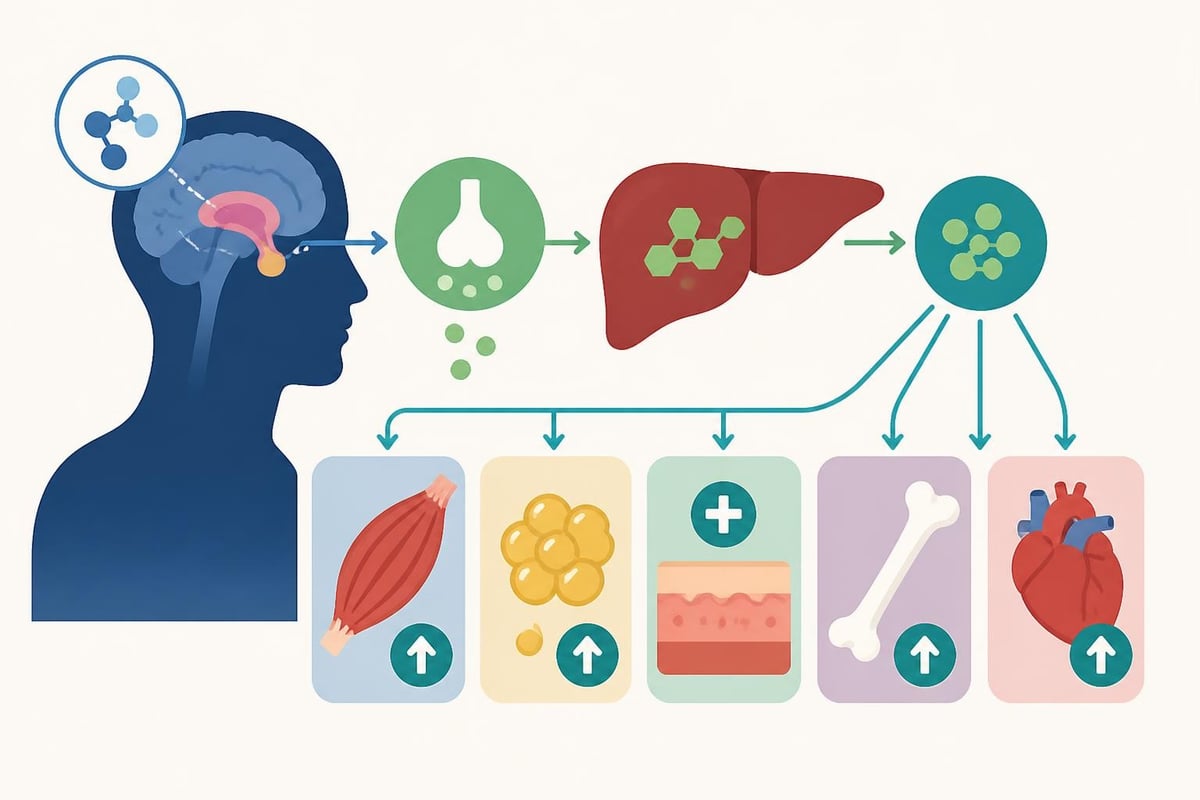
The cj1295 peptide functions through a precise biochemical pathway that begins with receptor binding. When administered, the peptide circulates to the pituitary gland where it binds to GHRH receptors on the surface of somatotroph cells. This binding triggers a cascade of intracellular signaling events culminating in the synthesis and release of growth hormone.
Growth Hormone Release Patterns
Unlike synthetic HGH that creates supraphysiological spikes, the mechanism of CJC-1295 preserves the body's natural pulsatile secretion pattern. This characteristic proves particularly valuable because the body's tissues respond more favorably to rhythmic hormone fluctuations rather than constant elevation.
The released growth hormone then travels throughout the body, binding to growth hormone receptors on target tissues. This interaction stimulates the production of insulin-like growth factor 1 (IGF-1) in the liver and peripheral tissues, which mediates many of the anabolic and metabolic effects traditionally associated with growth hormone.
Key downstream effects include:
- Enhanced protein synthesis in muscle tissue
- Increased lipolysis and fat oxidation
- Improved nitrogen retention
- Stimulated chondrocyte proliferation for cartilage health
- Enhanced collagen synthesis throughout connective tissues
- Optimized glucose metabolism and insulin sensitivity
The elevation in IGF-1 levels typically occurs within hours of growth hormone release and can remain elevated for 24-48 hours depending on the variant used.
Clinical Applications and Research Findings
The cj1295 peptide has been investigated across multiple research contexts, from metabolic disorders to age-related decline. Clinical trials and research studies have examined both its safety profile and potential therapeutic applications.
Muscle Growth and Body Composition
Research suggests that sustained elevation of growth hormone through this peptide can support lean muscle mass development while simultaneously promoting fat reduction. Studies measuring body composition changes have documented increases in lean body mass ranging from 2-5% over 12-week periods, with corresponding decreases in body fat percentage.
The anabolic effects stem from enhanced protein synthesis rates and improved nitrogen balance. Growth hormone creates a cellular environment favoring muscle tissue preservation and growth, even during caloric restriction protocols.
Recovery and Tissue Repair
One of the most compelling applications involves accelerated recovery from training stress and injury. The cj1295 peptide appears to enhance tissue repair through multiple mechanisms:
- Increased collagen deposition at injury sites
- Enhanced satellite cell activation for muscle regeneration
- Improved bone mineral density through osteoblast stimulation
- Accelerated wound healing and epithelial cell proliferation
Athletes and active individuals utilizing growth hormone secretagogues often report reduced delayed-onset muscle soreness (DOMS) and faster return to training capacity following intense exercise sessions.
Anti-Aging and Metabolic Optimization
Performance-related aspects of CJC-1295 extend beyond athletic applications into broader wellness and longevity contexts. Growth hormone levels naturally decline with age, decreasing approximately 14% per decade after age 30. This decline correlates with increased body fat, reduced muscle mass, decreased bone density, and diminished skin quality.
By supporting physiological growth hormone levels, the cj1295 peptide may help counteract some age-related changes. Research participants have reported improvements in skin elasticity, sleep quality, energy levels, and cognitive function.
Dosing Protocols and Administration
Proper dosing of the cj1295 peptide requires understanding the fundamental differences between variants and individual response variability. Standard dosing protocols differ substantially based on whether DAC is present.
CJC-1295 With DAC Dosing
For the DAC variant, typical protocols involve:
- Dosage: 1-2 mg per administration
- Frequency: Once or twice weekly
- Timing: Can be administered at any time due to long half-life
- Duration: Cycles typically run 8-16 weeks followed by equal rest periods
The extended half-life means this variant maintains elevated baseline growth hormone levels throughout the week. This creates a steady-state environment conducive to consistent metabolic benefits but with less dramatic pulsatile peaks.
CJC-1295 Without DAC (Modified GRF 1-29) Dosing
The non-DAC variant requires more frequent administration:
- Dosage: 100-200 mcg per administration
- Frequency: 2-3 times daily
- Timing: Ideally before bed and post-workout
- Duration: Can be used continuously or cyclically
Many users find that combining CJC-1295 (No DAC) with Ipamorelin or other growth hormone-releasing peptides creates synergistic effects. The CJC-1295 NO DAC / Ipamorelin Blend specifically addresses this synergy by pairing complementary mechanisms for enhanced GH secretion while maintaining natural pulsatile patterns.
Administration Methods
Subcutaneous injection remains the primary delivery method for the cj1295 peptide. Common injection sites include:
- Abdominal fat tissue (most common)
- Upper thigh adipose tissue
- Deltoid region (less common)
Proper reconstitution with bacteriostatic water and sterile technique are essential. Most practitioners recommend rotating injection sites to prevent lipohypertrophy or tissue irritation.
Safety Considerations and Side Effects
While generally well-tolerated, the safety profile of CJC-1295 includes potential side effects that users should understand before beginning protocols.
Common Side Effects
Mild and transient effects include:
- Injection site reactions (redness, swelling)
- Temporary water retention
- Numbness or tingling in extremities
- Increased hunger
- Headaches during initial adaptation
These effects typically resolve within the first few weeks as the body adapts to elevated growth hormone levels.
Considerations and Contraindications
Certain populations should exercise caution or avoid the cj1295 peptide entirely:
| Condition | Recommendation | Rationale |
|---|---|---|
| Active cancer | Avoid | GH may promote cell proliferation |
| Diabetic retinopathy | Avoid | Potential IGF-1 effects on retinal tissue |
| Pregnancy/nursing | Avoid | Insufficient safety data |
| Acromegaly history | Avoid | Contraindicated with GH excess |
| Type 2 diabetes | Monitor closely | May affect glucose homeostasis |
Regular monitoring of IGF-1 levels, fasting glucose, and HbA1c provides valuable feedback during extended protocols. Maintaining IGF-1 within the upper-normal physiological range rather than supraphysiological levels optimizes benefits while minimizing risks.

Comparing CJC-1295 to Other Growth Hormone Peptides
The peptide landscape includes multiple compounds designed to elevate growth hormone, each with distinct characteristics. Understanding how the cj1295 peptide compares helps inform optimal selection.
CJC-1295 vs. Ipamorelin
Ipamorelin functions as a growth hormone-releasing peptide (GHRP) rather than a GHRH analog. It stimulates GH release through ghrelin receptor activation, creating complementary pathways when combined with the cj1295 peptide. Ipamorelin produces minimal effects on cortisol or prolactin, making it particularly clean in its action.
CJC-1295 vs. Tesamorelin
Both compounds function as GHRH analogs, but Tesamorelin received FDA approval specifically for treating HIV-associated lipodystrophy. Evidence comparing their efficacy suggests similar growth hormone elevation, though Tesamorelin has more established clinical validation for reducing visceral adipose tissue.
CJC-1295 vs. Sermorelin
Sermorelin represents an earlier-generation GHRH analog without the stability modifications present in the cj1295 peptide. Its half-life measures only minutes, requiring more frequent administration and producing less sustained effects. The improved pharmacokinetics of CJC-1295 offer practical advantages for most applications.
Optimizing Results with Lifestyle Factors
The effectiveness of the cj1295 peptide depends significantly on supporting factors beyond the peptide itself. Strategic lifestyle optimization amplifies benefits while minimizing potential drawbacks.
Nutritional Considerations
Protein intake: Adequate protein consumption (1.6-2.2 g/kg body weight) provides the raw materials for the enhanced protein synthesis stimulated by elevated growth hormone and IGF-1.
Carbohydrate timing: Strategic carbohydrate restriction around injection times may enhance growth hormone release, as elevated glucose suppresses GH secretion. Conversely, post-workout carbohydrates support IGF-1 signaling and recovery.
Micronutrients: Several vitamins and minerals play critical roles in growth hormone metabolism, including zinc, magnesium, vitamin D, and vitamin B6.
Training Protocols
Resistance training creates a synergistic environment with the cj1295 peptide. High-intensity resistance exercise naturally elevates growth hormone and creates the mechanical tension necessary for muscle hypertrophy. The combination of training-induced and peptide-induced GH elevation appears to produce greater results than either intervention alone.
Recovery periods between sessions become equally important. The enhanced recovery supported by elevated growth hormone allows for higher training volumes and frequencies when properly programmed.
Sleep Optimization
Growth hormone release naturally peaks during deep sleep stages. The cj1295 peptide enhances this natural pattern, making sleep quality particularly crucial. Practitioners often recommend:
- Consistent sleep-wake schedules
- 7-9 hours of sleep per night
- Optimized sleep environment (cool, dark, quiet)
- Evening administration for non-DAC variants to align with natural GH pulses
Quality and Purity Considerations
Not all peptide preparations demonstrate equal quality. The cj1295 peptide requires careful synthesis and purification to ensure both safety and efficacy. Variations in purity levels directly impact results and side effect profiles.
Manufacturing Standards
Reputable suppliers employ solid-phase peptide synthesis (SPPS) followed by high-performance liquid chromatography (HPLC) purification. These processes achieve purity levels exceeding 98%, removing potentially harmful impurities and synthesis byproducts.
Third-party testing through independent laboratories verifies both peptide identity and purity. Certificate of analysis documentation should accompany high-quality peptides, providing mass spectrometry and HPLC data confirming the product specifications.
Storage and Handling
Proper storage preserves peptide integrity:
Lyophilized powder:
- Store at -20°C for long-term preservation (up to 2 years)
- Protect from light and moisture
- Allow to reach room temperature before reconstitution
Reconstituted solution:
- Refrigerate at 2-8°C
- Use within 30 days for optimal potency
- Avoid repeated freeze-thaw cycles
Degradation of the cj1295 peptide produces inactive fragments that reduce effectiveness. Adherence to proper storage protocols ensures consistent results throughout the protocol duration.
Regulatory Status and Legal Considerations
The regulatory landscape surrounding the cj1295 peptide varies significantly across jurisdictions. Legal status differs by region, affecting accessibility and appropriate use contexts.
United States Regulations
In the United States, the cj1295 peptide falls outside FDA approval for specific therapeutic indications. It exists in a gray area where it can be obtained for research purposes but not marketed as a dietary supplement or drug for human consumption. This regulatory positioning creates complexity for both suppliers and end users.
The FDA has issued warning letters to companies marketing peptides with therapeutic claims without proper approval. Consumers should understand these regulatory nuances and work within appropriate legal frameworks.
Athletic Considerations
Many athletic organizations prohibit growth hormone secretagogues, including the cj1295 peptide. The World Anti-Doping Agency (WADA) classifies GHRH analogs as prohibited substances. Athletes subject to drug testing should avoid these compounds to maintain eligibility and compliance.
Stacking Protocols and Synergistic Combinations
Advanced users often combine the cj1295 peptide with complementary compounds to create synergistic effects addressing multiple physiological pathways simultaneously.
Growth Hormone Secretagogue Stacks
Combining GHRH analogs like CJC-1295 with GHRPs creates additive or synergistic growth hormone release. Common pairings include:
- CJC-1295 + Ipamorelin (most popular combination)
- CJC-1295 + GHRP-6 (stronger GH release but increased hunger)
- CJC-1295 + GHRP-2 (moderate GH elevation with minimal side effects)
These combinations work through distinct receptor mechanisms, creating more robust GH secretion than either compound alone.
Recovery-Focused Stacks
For those prioritizing tissue repair and recovery, combining the cj1295 peptide with healing-focused compounds creates comprehensive support. Products designed for recovery often incorporate multiple mechanisms addressing inflammation, tissue regeneration, and cellular repair.
BPC-157 and TB-500 represent common additions to recovery-focused protocols, working through mechanisms independent of growth hormone signaling while complementing the tissue repair benefits of elevated GH and IGF-1.
Metabolic Optimization Stacks
When metabolic enhancement represents the primary goal, practitioners sometimes combine growth hormone secretagogues with compounds supporting mitochondrial function, insulin sensitivity, or direct fat oxidation pathways. This multi-targeted approach addresses metabolic optimization from multiple angles simultaneously.
Long-Term Use and Cycling Strategies
Sustained protocols with the cj1295 peptide require thoughtful planning regarding duration, cycling, and monitoring. Comprehensive guides on long-term use emphasize the importance of strategic breaks and ongoing assessment.
Cycling Rationale
Many practitioners recommend cycling growth hormone secretagogues for several reasons:
- Receptor sensitivity: Continuous stimulation may lead to downregulation of GHRH receptors
- Baseline restoration: Periodic breaks allow natural hormone production to normalize
- Monitoring windows: Off-cycle periods provide cleaner assessment of baseline markers
- Cost management: Strategic breaks reduce overall protocol costs
Common cycling protocols:
| Protocol | On Cycle | Off Cycle | Best For |
|---|---|---|---|
| Standard | 12 weeks | 4-8 weeks | General use |
| Extended | 16-20 weeks | 8-12 weeks | Experienced users |
| Pulse | 4-6 weeks | 2-4 weeks | Maintaining sensitivity |
Monitoring Parameters
Regular assessment during cj1295 peptide protocols provides valuable feedback for optimization and safety:
Baseline and periodic testing should include:
- Serum IGF-1 levels (primary marker of GH activity)
- Fasting glucose and insulin
- Hemoglobin A1c (long-term glucose control)
- Lipid panel (cholesterol and triglycerides)
- Thyroid function (TSH, free T3, free T4)
- Complete blood count
These biomarkers help identify both desired adaptations and potential adverse effects requiring protocol adjustment.
The cj1295 peptide offers a sophisticated approach to optimizing growth hormone levels through the body's natural regulatory pathways, supporting muscle growth, enhanced recovery, and metabolic optimization when used responsibly. Whether pursuing athletic performance, body composition improvements, or age-related wellness goals, understanding the nuances of different variants, proper dosing, and complementary lifestyle factors proves essential for maximizing benefits. Soma Peptide provides premium-quality peptides backed by rigorous purity standards and third-party testing, ensuring you receive the highest-grade compounds for your health and performance protocols.