




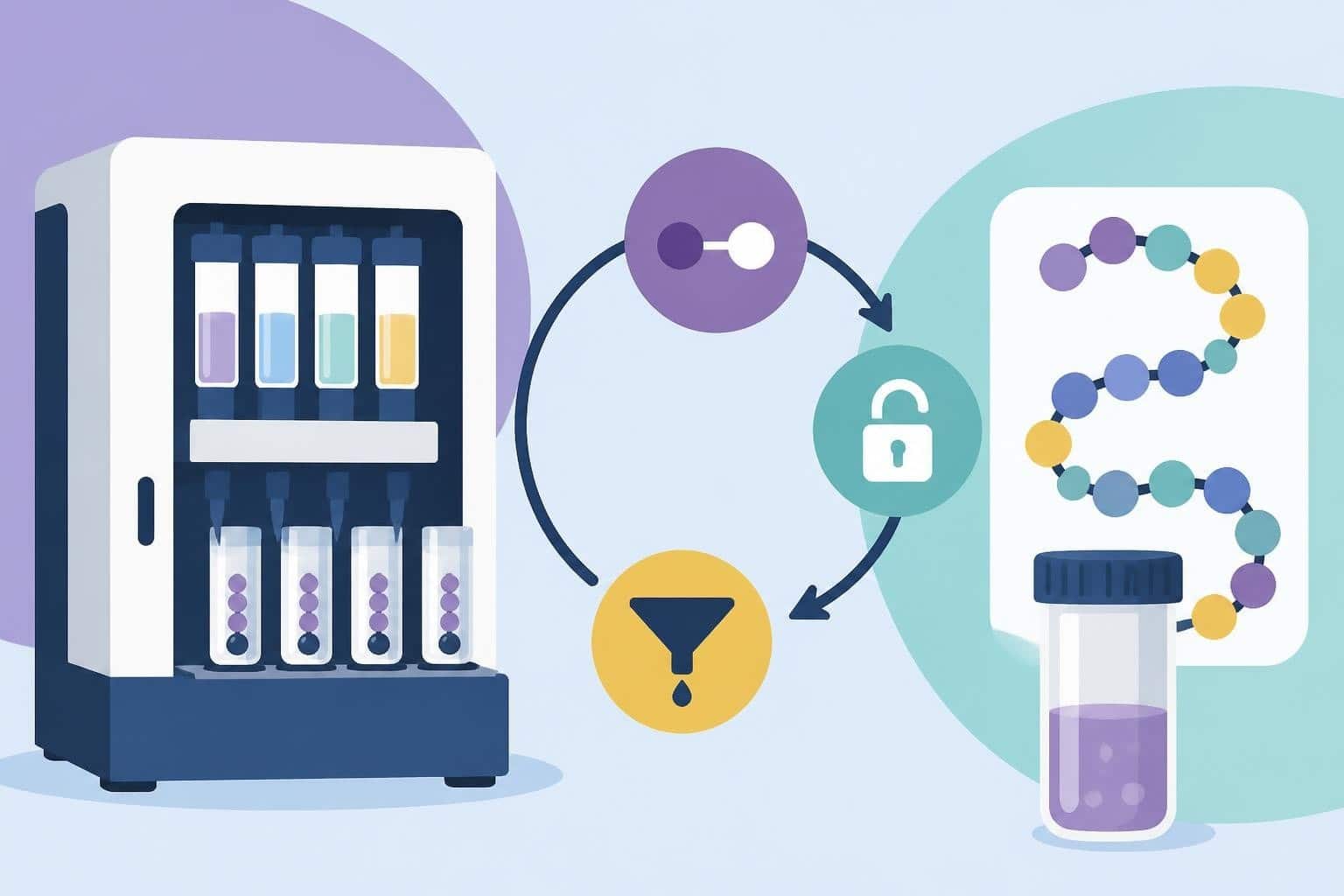
Explore peptide synthesizer technology, from solid-phase synthesis methods to automated systems. Learn how these instruments create high-purity peptides.
How peptide synthesizers automate solid-phase peptide synthesis through sequential amino acid coupling, deprotection, and purification cycles
Understanding Peptide Synthesizer Fundamentals
A peptide synthesizer is a specialized instrument designed to automate the process of creating peptides through sequential addition of amino acids. The technology primarily relies on solid-phase peptide synthesis (SPPS), a methodology that anchors the growing peptide chain to a solid resin support while building the sequence one amino acid at a time.
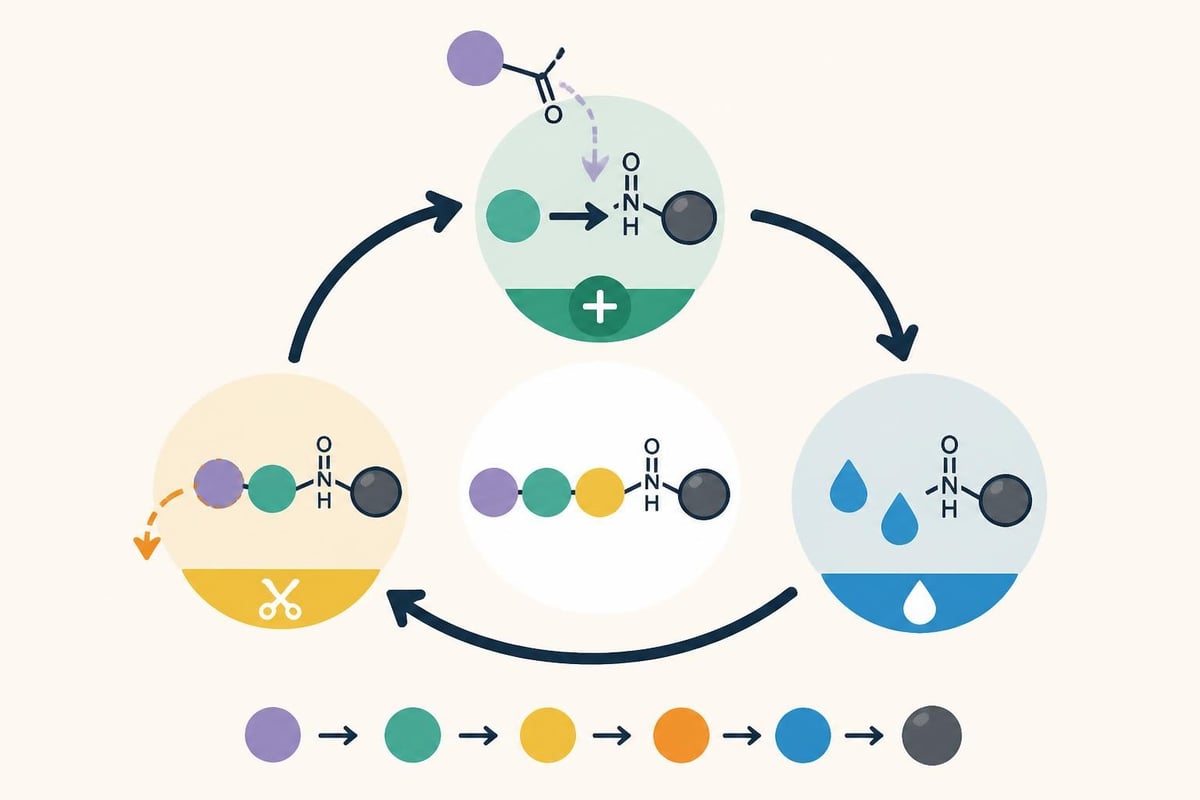
The basic operation involves three critical steps repeated in cycles: coupling, washing, and deprotection. During coupling, an activated amino acid forms a peptide bond with the growing chain. The washing step removes excess reagents and byproducts. Deprotection removes temporary protecting groups from the amino terminus, preparing it for the next coupling reaction.
Core Components of Modern Systems
Modern peptide synthesizers incorporate several essential components that work in concert to achieve high-quality synthesis:
- Reaction vessels that hold the resin and provide controlled environments for chemical reactions
- Reagent delivery systems with precise pumps and valves for accurate chemical dispensing
- Temperature control modules maintaining optimal reaction conditions
- Mixing mechanisms ensuring thorough reagent contact with resin-bound peptides
- Waste collection systems for safe handling of chemical byproducts
- Software interfaces controlling synthesis protocols and monitoring progress
The sophistication of these components directly impacts the quality and efficiency of peptide production. Advanced peptide synthesizers have become indispensable tools in both research and commercial manufacturing environments.
Synthesis Methodologies and Chemical Approaches
The peptide synthesizer employs different chemical strategies, with two primary methodologies dominating the field: Fmoc (9-fluorenylmethoxycarbonyl) and Boc (tert-butyloxycarbonyl) chemistry.
Fmoc Chemistry Advantages
Fmoc chemistry has emerged as the preferred approach in most modern synthesizers due to its milder reaction conditions and compatibility with a broader range of amino acid side chains. The Fmoc protecting group is removed using base (typically piperidine), which operates at room temperature and avoids the harsh acidic conditions required for Boc deprotection.
Key benefits include:
- Reduced racemization risk during synthesis
- Better compatibility with acid-sensitive side chains
- Lower environmental impact from reagent disposal
- Faster deprotection cycles
- Improved overall peptide quality
Boc Chemistry Applications
Despite Fmoc's popularity, Boc chemistry remains relevant for specific applications. This methodology uses trifluoroacetic acid (TFA) for deprotection, which can be advantageous when synthesizing certain difficult sequences or when specific side-chain protecting groups are required.
| Feature | Fmoc Chemistry | Boc Chemistry |
|---|---|---|
| Deprotection Reagent | Piperidine (base) | TFA (acid) |
| Reaction Conditions | Mild, room temperature | Stronger, requires acid |
| Racemization Risk | Lower | Slightly higher |
| Side-Chain Compatibility | Broader range | More selective |
| Cycle Time | Faster | Slower |
Understanding these chemical approaches to peptide synthesis helps manufacturers select the optimal methodology for specific peptide sequences and desired purity levels.
Automated Systems and Throughput Capabilities
The evolution of peptide synthesizer technology has produced systems ranging from single-channel instruments for specialized research to high-throughput parallel synthesizers capable of producing hundreds of peptides simultaneously.
Single-Channel Synthesizers
Single-channel systems focus on producing one peptide sequence at a time with maximum quality control. These instruments excel at synthesizing longer, more complex peptides where each coupling step requires careful monitoring and optimization. Research laboratories often prefer single-channel synthesizers when developing novel peptide therapeutics or exploring new synthesis protocols.
The precision of single-channel systems allows for real-time adjustments, ensuring optimal coupling efficiency at each step. This becomes particularly important when working with difficult amino acid sequences or incorporating non-natural amino acids.
Parallel Synthesis Platforms
Parallel peptide synthesizers represent a significant advancement in throughput capability. These systems can simultaneously synthesize multiple peptide sequences, dramatically increasing productivity for peptide libraries, screening studies, and commercial production.
Modern parallel platforms offer several configurations:
- 96-well format for peptide library generation
- 48-channel systems balancing throughput with individual sequence control
- 24-channel instruments providing enhanced scale per sequence
- Custom configurations tailored to specific production requirements
The choice between single-channel and parallel systems depends on production goals, sequence complexity, and quality requirements.
Quality Control Integration and Purity Standards
A critical aspect of any peptide synthesizer operation involves ensuring the final product meets stringent purity and quality standards. Modern systems incorporate multiple quality control checkpoints throughout the synthesis process.
In-Process Monitoring
Advanced synthesizers include sensors and monitoring systems that track reaction progress in real-time. These tools measure:
- Conductivity changes indicating deprotection completion
- UV absorbance monitoring Fmoc group removal
- Pressure variations detecting resin swelling and blocking issues
- Temperature stability ensuring optimal reaction kinetics
- Reagent consumption verifying proper chemical delivery
This continuous monitoring allows operators to identify and correct issues before they compromise the final product. The data generated also provides valuable documentation for regulatory compliance and quality assurance.
Post-Synthesis Purification
After synthesis completion, the peptide undergoes cleavage from the resin and subsequent purification. High-performance liquid chromatography (HPLC) serves as the gold standard for peptide purification, separating the desired product from deletion sequences, incomplete peptides, and chemical impurities.
The peptide synthesizer's performance directly impacts purification efficiency. Well-optimized synthesis protocols with high coupling efficiencies produce cleaner crude peptides, reducing purification time and improving final yields.
Soma Peptide’s commitment to quality reflects the importance of combining advanced synthesis technology with rigorous purification methods to deliver peptides that meet the highest purity standards.
Innovative Approaches and Emerging Technologies
The field of peptide synthesis continues to evolve with innovative methodologies that push the boundaries of what synthesizers can achieve. Several emerging technologies are reshaping the landscape in 2026.
Microwave-Assisted Synthesis
Microwave-enhanced peptide synthesizers apply controlled microwave energy during coupling and deprotection steps, significantly accelerating reaction kinetics. This technology reduces synthesis time from hours to minutes for many sequences while maintaining or improving coupling efficiencies.
Benefits include:
- Reduced synthesis time by 50-70%
- Improved difficult coupling success rates
- Lower reagent consumption
- Enhanced sequence fidelity
- Better results with challenging amino acids like arginine and cysteine
Flow Chemistry Integration
Flow-based peptide synthesizers represent a paradigm shift from traditional batch synthesis. These systems continuously flow reagents through reaction columns, offering precise control over reaction conditions and enabling real-time optimization.
| Aspect | Batch Synthesis | Flow Synthesis |
|---|---|---|
| Reaction Control | Fixed cycles | Continuous optimization |
| Reagent Efficiency | Moderate | Higher |
| Scalability | Limited | Excellent |
| Process Monitoring | Periodic | Real-time |
| Equipment Complexity | Standard | Advanced |
Green Chemistry Initiatives
Environmental considerations are driving peptide synthesizer manufacturers to develop more sustainable synthesis protocols. Modern synthesizer designs incorporate features that minimize solvent consumption, reduce waste generation, and utilize more environmentally friendly reagents.
Sustainable practices include solvent recycling systems, reduced reaction volumes, and alternative coupling reagents with lower environmental impact. These innovations align with global efforts to make pharmaceutical manufacturing more sustainable without compromising product quality.
Selection Criteria for Peptide Synthesizer Systems
Choosing the appropriate peptide synthesizer requires careful evaluation of multiple factors aligned with specific production goals and organizational capabilities.
Technical Specifications Assessment
Key technical parameters that influence synthesizer selection include:
Scale capabilities: Determine whether the system can handle the required synthesis scale, from milligram research quantities to multi-gram production runs. Scale flexibility ensures the instrument can adapt to evolving production needs.
Sequence length capacity: Different synthesizers excel at different peptide lengths. Short peptides (under 20 amino acids) have less demanding requirements than longer sequences (30-50+ amino acids) that require enhanced coupling efficiency and monitoring.
Automation level: Fully automated systems minimize human intervention and improve reproducibility, while semi-automated platforms offer more flexibility for method development and optimization.
Throughput requirements: Production volume needs dictate whether single-channel or parallel synthesis platforms provide optimal efficiency.
Operational Considerations
Beyond technical specifications, practical operational factors significantly impact long-term success:
- Reagent compatibility with preferred amino acid suppliers and coupling reagents
- Software functionality for protocol development, data logging, and regulatory compliance
- Maintenance requirements including routine cleaning, part replacement, and service accessibility
- Training needs for operators and technical staff
- Cost of ownership encompassing initial investment, consumables, and operational expenses
Commercial peptide suppliers rely on carefully selected synthesizer systems that balance these factors to ensure consistent production of high-purity therapeutic peptides.

Applications Across Therapeutic Categories
The versatility of modern peptide synthesizers enables production of diverse therapeutic peptides serving multiple health and wellness applications.
Metabolic and Weight Management Peptides
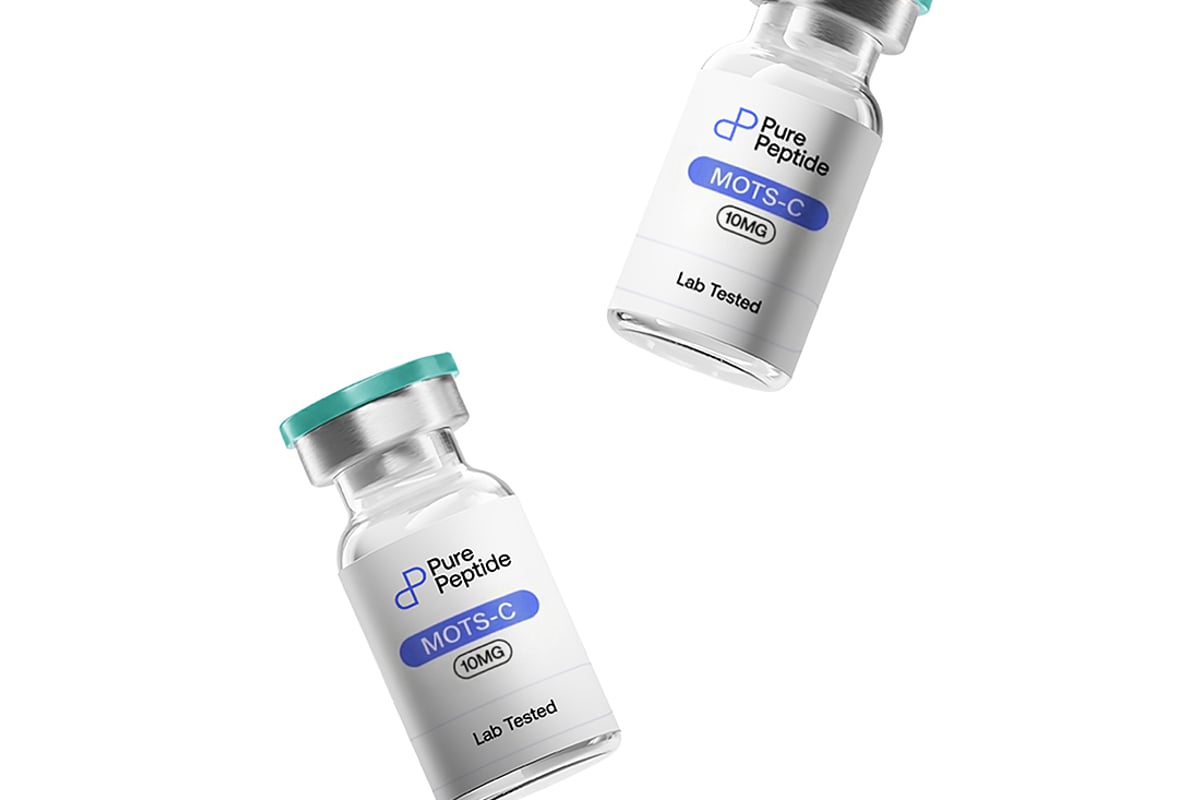
Peptide synthesizers produce sequences designed to support healthy metabolic function and body composition. These peptides often involve complex sequences requiring precise synthesis to maintain biological activity. For example, MOTS-c represents a mitochondria-derived peptide that supports metabolic efficiency through carefully controlled synthesis protocols ensuring proper sequence fidelity.
The synthesis of metabolic peptides demands particular attention to amino acid coupling efficiency, as even minor sequence variations can significantly impact receptor binding and biological activity.
Recovery and Tissue Repair Sequences
Peptides supporting recovery and tissue repair constitute another major category produced by advanced synthesizers. These sequences often contain amino acids prone to side reactions, requiring optimized synthesis protocols and protecting group strategies.
The production of peptides like BPC-157 and similar compounds involves careful monitoring throughout the synthesis process to ensure the final product maintains its tissue-supporting properties.
Anti-Aging and Regenerative Peptides
Peptide synthesizers also produce sequences aimed at supporting healthy aging processes and cellular regeneration. These peptides frequently incorporate modified amino acids or specialized coupling chemistries to enhance stability and bioavailability.
The synthesis of copper-binding peptides and other complex sequences requires synthesizer systems capable of handling diverse chemical functionalities while maintaining high purity standards.
Manufacturing Scale Considerations and Process Development
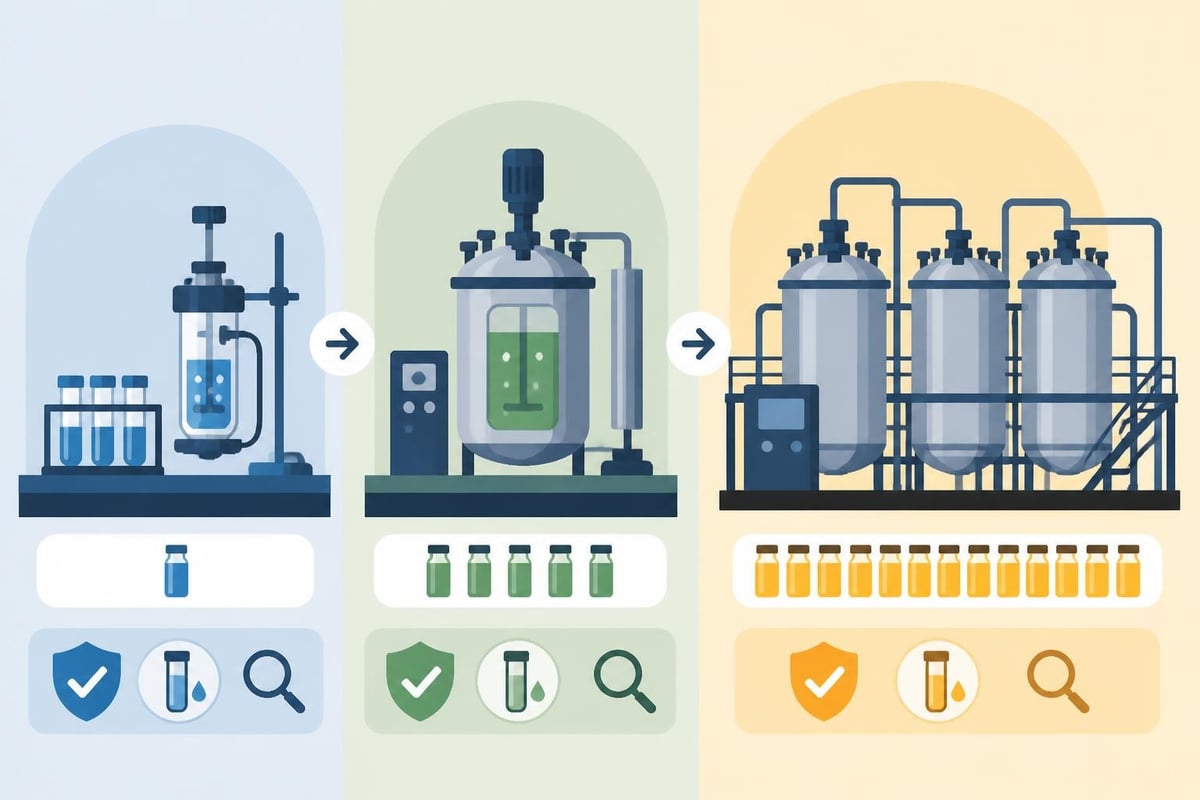
Translating peptide synthesis from research scale to commercial manufacturing involves significant process development and equipment scaling.
Scale-Up Strategies
Successful scale-up of peptide synthesis requires systematic optimization:
- Laboratory optimization establishing optimal coupling conditions and reagent ratios
- Pilot-scale validation confirming protocols translate to larger reaction vessels
- Process parameter definition establishing critical quality attributes and acceptable ranges
- Manufacturing protocol finalization documenting procedures for commercial production
- Quality system integration ensuring compliance with regulatory requirements
Each step builds confidence that the final manufacturing process will consistently produce peptides meeting established quality standards.
Regulatory Compliance Framework
Peptide synthesizers used in commercial manufacturing must operate within comprehensive quality management systems. This includes:
- Standard operating procedures for all synthesis and purification steps
- Equipment qualification documenting instrument performance and reliability
- Process validation demonstrating consistent production of acceptable quality peptides
- Change control systems managing modifications to synthesis protocols
- Batch record documentation providing complete traceability for each production run
These systems ensure that every peptide batch meets the same rigorous standards, regardless of when or by whom it was produced. Companies like Soma Peptide maintain strict quality control protocols throughout the manufacturing process.
Troubleshooting Common Synthesis Challenges
Even with advanced peptide synthesizer technology, certain sequences and conditions present synthesis challenges requiring specialized approaches.
Difficult Sequence Management
Some amino acid combinations naturally resist efficient coupling or promote side reactions. Strategies for managing difficult sequences include:
Extended coupling times: Allowing more time for sterically hindered amino acids to react completely improves overall sequence fidelity.
Double coupling protocols: Repeating coupling steps for problematic positions increases the percentage of chains with correct sequences.
Alternative coupling reagents: Switching to more reactive or selective coupling agents can overcome specific challenges.
Pseudoproline incorporation: Using temporary structural modifications reduces aggregation during synthesis of aggregation-prone sequences.
Aggregation Prevention
Peptide aggregation during synthesis remains one of the most significant challenges, particularly for sequences containing hydrophobic amino acids or beta-sheet-forming regions. Different synthesizer designs address this through various mixing and reaction strategies.
Effective aggregation prevention techniques include:
- Chaotropic agent addition to synthesis solvents
- Temperature-controlled synthesis protocols
- Modified protecting group strategies
- Alternative resin selections with reduced hydrophobic interactions
Economic and Efficiency Optimization
Maximizing the economic efficiency of peptide synthesizer operations requires attention to multiple cost drivers and optimization opportunities.
Reagent Consumption Management
Amino acids and coupling reagents represent significant operating costs. Advanced synthesizer systems incorporate features that minimize reagent waste while maintaining synthesis quality:
- Precise metering systems delivering exact reagent quantities
- Reagent recovery and recycling capabilities
- Optimized coupling protocols using minimum excess reagents
- Automated inventory management reducing material expiration losses
Yield Optimization Strategies
Improving crude peptide yield reduces overall production costs by maximizing the amount of usable product from each synthesis run. Key optimization areas include:
| Optimization Target | Impact on Yield | Implementation Complexity |
|---|---|---|
| Coupling Efficiency | High | Moderate |
| Deprotection Completeness | High | Low |
| Resin Loading Density | Moderate | Low |
| Cleavage Conditions | High | Moderate |
| Side Reaction Minimization | Moderate | High |
Systematic optimization of these parameters can improve crude yields by 20-40%, significantly impacting production economics.
The peptide synthesizer represents a cornerstone technology enabling the production of high-quality therapeutic peptides with precise sequences and exceptional purity. Understanding the principles, capabilities, and optimization strategies for these sophisticated instruments provides valuable insight into what distinguishes premium peptide products from lower-quality alternatives. When you choose Soma Peptide, you benefit from advanced synthesis protocols and rigorous quality control that ensures every peptide meets the highest standards for purity and efficacy in supporting your