



The peptide industry has experienced significant growth over recent years, with numerous suppliers emerging to meet increasing demand from researchers and wellness-focused consumers. Among these providers, GenX Peptides has established a presence since 2013, focusing on neuroscience, anti-aging, and metabolic research applications. Understanding what distinguishes genx peptides from other suppliers requires examining their operational history, quality standards, product offerings, and customer experiences. This analysis provides insights into how genx peptides positions itself within the competitive landscape and what potential customers should consider when evaluating their options.
Company Background and Operational Focus
GenX Peptides has operated in the peptide supply market for over a decade, concentrating primarily on research-grade compounds. According to information about their operational focus, the company specializes in three core research areas: neuroscience applications, anti-aging compounds, and metabolic function enhancement. This targeted approach differentiates genx peptides from generalist suppliers who may offer broader but less specialized product lines.
The company's longevity in the market indicates a level of consistency that newer entrants cannot match. Established operations typically develop refined quality control processes, supplier relationships, and customer service protocols through years of refinement. For researchers and consumers evaluating peptide sources, operational history serves as one factor in assessing reliability and industry knowledge.
Organizational Structure and Operations
Based on organizational details, genx peptides operates as an e-commerce focused business with a streamlined organizational structure. This digital-first approach allows the company to maintain lower overhead costs compared to brick-and-mortar operations, potentially translating to competitive pricing for customers. The company's employee structure supports their specialized focus, with team members dedicated to quality assurance, customer service, and research compliance.
Their business model emphasizes direct-to-consumer sales through online channels, which has become increasingly common in the peptide industry. This distribution method provides customers with convenient access while allowing the company to maintain detailed records of product handling and shipping conditions.

Product Range and Specialization
The genx peptides catalog reflects their research-oriented mission, featuring compounds commonly used in scientific studies and wellness applications. Their product selection includes growth hormone secretagogues, tissue repair peptides, cognitive enhancement compounds, and metabolic modulators. This curated approach contrasts with suppliers who stock hundreds of variants, instead focusing on well-researched compounds with established protocols.
Key Product Categories
GenX Peptides organizes their offerings into several distinct categories:
- Neuroscience Research: Compounds targeting cognitive function, neuroprotection, and brain health
- Anti-Aging Applications: Peptides associated with cellular regeneration and longevity pathways
- Metabolic Enhancement: Products supporting energy utilization, fat metabolism, and metabolic flexibility
- Recovery and Repair: Tissue healing compounds for musculoskeletal support
- Performance Optimization: Growth hormone related peptides for athletic research
Each category contains multiple specific compounds, allowing researchers to select products aligned with their particular investigation parameters. The focused selection helps customers navigate options without becoming overwhelmed by excessive choices.
| Product Category | Primary Applications | Common Research Uses |
|---|---|---|
| Neuroscience | Cognitive function, mood regulation | Memory studies, neuroprotection |
| Anti-Aging | Cellular regeneration, longevity | Aging research, cellular health |
| Metabolic | Energy production, fat metabolism | Metabolic syndrome, weight management |
| Recovery | Tissue repair, inflammation modulation | Injury healing, joint health |
| Performance | Growth hormone pathways | Muscle growth, body composition |
Quality Control and Testing Standards
Quality assurance represents a critical differentiator in the peptide industry, where purity directly impacts research outcomes and safety profiles. According to comprehensive reviews of genx peptides, the company implements specific testing protocols to verify product quality. These standards include third-party verification through independent laboratories, which provides objective assessment of purity levels and compound identity.
The testing process typically involves high-performance liquid chromatography (HPLC) to measure purity percentages, mass spectrometry to confirm molecular structure, and endotoxin testing to ensure bacterial contamination remains below acceptable thresholds. Companies that invest in rigorous testing demonstrate commitment to product integrity that extends beyond basic compliance.
Certificates of Analysis and Transparency
Transparency in testing documentation allows customers to verify claims independently. GenX peptides provides certificates of analysis (COAs) that detail specific test results for individual product batches. These documents include purity percentages, testing methodologies, and batch identification numbers that enable traceability.
For customers seeking premium quality peptides, the availability of detailed COAs represents an essential consideration. Comprehensive vendor analyses highlight that genx peptides maintains documentation standards comparable to other established suppliers in the research peptide market. However, the peptide industry continues evolving toward increasingly stringent verification requirements, making ongoing quality improvements necessary for all suppliers.
When evaluating any peptide supplier, customers benefit from comparing testing standards across multiple vendors. Soma Peptide maintains comprehensive quality verification processes that demonstrate commitment to purity and efficacy through advanced purification methods and stringent quality control.
Pricing Structure and Value Proposition
Pricing in the peptide market varies significantly based on compound complexity, purity levels, and business overhead costs. GenX peptides positions itself in the mid-to-premium price range, reflecting their focus on higher purity standards and specialized compounds. While not the least expensive option available, their pricing structure aligns with other quality-focused suppliers who prioritize testing verification over volume sales.
Cost Considerations for Researchers
Several factors influence peptide pricing beyond the base compound cost:
- Purity Levels: Higher purity percentages require additional purification steps, increasing production costs
- Batch Testing: Third-party verification adds expense but ensures quality assurance
- Synthesis Complexity: Longer peptide chains with complex sequences cost more to manufacture
- Storage Requirements: Proper handling and cold-chain maintenance impact operational expenses
- Packaging Standards: Individual vials, sterile conditions, and protective packaging contribute to final pricing
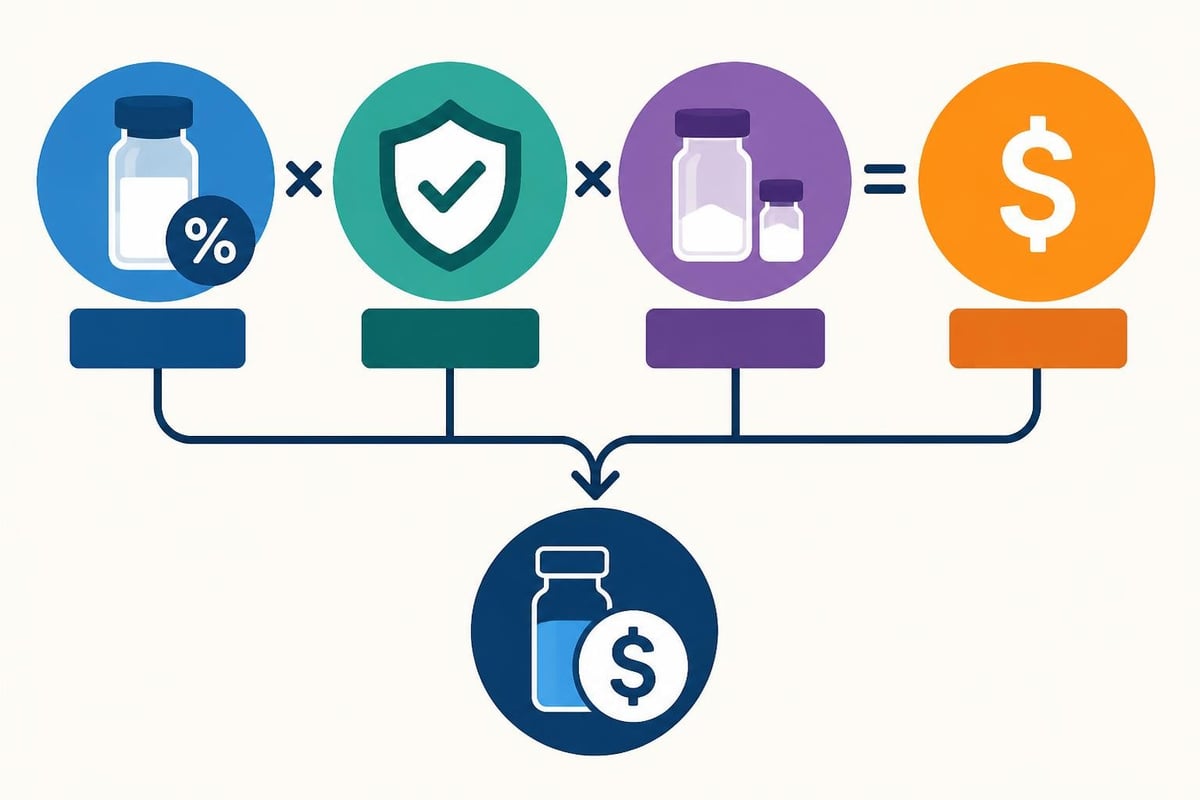
Researchers and consumers should evaluate cost per milligram alongside purity percentages rather than focusing solely on sticker price. A lower-cost peptide with 90% purity may actually be more expensive per unit of active compound than a premium product with 98% purity.
Customer Experience and Industry Reputation
Customer feedback provides valuable insights into operational reliability, product consistency, and service quality. Reviews from users of genx peptides present a mixed picture, with experiences varying based on individual expectations and specific products ordered. Positive feedback frequently mentions product effectiveness, reasonable shipping times, and responsive customer service when issues arise.
Critical reviews occasionally reference communication delays, stock availability challenges, and questions about certain product batches. These patterns reflect common challenges throughout the peptide industry rather than issues unique to any single supplier. The research peptide market faces ongoing supply chain complexities, regulatory uncertainties, and quality control demands that affect all participants.
Evaluating Vendor Reputation
When assessing any peptide supplier's reputation, consider multiple information sources:
- Independent review platforms with verified purchase requirements
- Scientific community discussions and research forums
- Third-party testing verification beyond company-provided COAs
- Length of time operating in the market
- Responsiveness to customer inquiries and concerns
- Return and refund policies for quality issues
No supplier maintains a perfect record across all customer interactions, but patterns in feedback reveal operational strengths and weaknesses. GenX peptides' decade-plus operational history provides a substantial track record for evaluation compared to newer market entrants.
Regulatory Landscape and Compliance Considerations
The regulatory environment surrounding peptides remains complex and continually evolving. Peptides sold for research purposes occupy a different regulatory space than those approved for human therapeutic use. GenX peptides, like other research-focused suppliers, operates within this framework by marketing products explicitly for non-clinical research applications.
Researchers and consumers must understand these distinctions when purchasing peptides. Products labeled for research use should not be construed as FDA-approved therapeutics or dietary supplements. The responsibility for appropriate use rests with the purchaser, who must ensure compliance with applicable regulations in their jurisdiction.
Research vs. Therapeutic Applications
The distinction between research-grade and pharmaceutical-grade peptides involves several key differences:
| Aspect | Research-Grade | Pharmaceutical-Grade |
|---|---|---|
| Regulatory Status | Not FDA-approved for human use | FDA-approved therapeutic agents |
| Quality Standards | Varies by supplier | Stringent GMP requirements |
| Purity Levels | Typically 95-99% | Usually >99% with strict specifications |
| Testing Requirements | Voluntary third-party verification | Mandatory regulatory testing |
| Intended Use | Laboratory research only | Prescribed medical treatment |
| Documentation | COAs provided by supplier | Comprehensive regulatory filings |
Understanding these categories helps customers make informed decisions aligned with their specific needs and legal obligations. The peptide industry continues advocating for clearer regulatory frameworks that protect consumers while supporting legitimate research applications.
Comparative Analysis with Other Suppliers
GenX peptides operates within a competitive marketplace that includes both established suppliers and newer entrants. Company profiles from business directories position them as a specialized player focused on quality over volume. When compared to other suppliers, genx peptides demonstrates several strengths and potential limitations.
Competitive Positioning
Strengths of genx peptides include their operational longevity, specialized focus areas, and documented testing protocols. Their decade of experience provides institutional knowledge about product handling, customer service, and quality consistency that newer companies are still developing. The focused product range allows expertise in specific compound categories rather than superficial coverage of hundreds of variants.
Potential limitations include product availability fluctuations common across the industry, pricing that may exceed budget-focused alternatives, and a smaller selection compared to comprehensive catalogs offered by larger suppliers. These trade-offs reflect strategic choices about business model and target customer base.
For those seeking alternatives, exploring diverse peptide product options from multiple suppliers allows comparison of purity standards, testing documentation, pricing structures, and customer service approaches. Building relationships with several trusted vendors provides backup options when specific compounds become unavailable.
Advanced Research Applications
The peptides offered by genx peptides support various research applications across multiple scientific disciplines. In neuroscience research, certain compounds enable investigation of cognitive enhancement mechanisms, neuroprotective pathways, and neuroplasticity factors. These studies contribute to understanding brain health throughout the aging process and potential interventions for cognitive decline.
Metabolic research applications include investigation of growth hormone pathways, insulin sensitivity factors, and cellular energy production mechanisms. Compounds in this category facilitate studies on body composition changes, fat metabolism regulation, and metabolic flexibility adaptation. Such research holds implications for addressing obesity, metabolic syndrome, and age-related metabolic decline.
Emerging Research Directions
Recent scientific literature explores innovative applications for established peptide compounds. Research on peptide design methodologies demonstrates advancing techniques for creating targeted peptides with specific binding properties. While this research focuses on novel design approaches rather than commercially available products, it illustrates the dynamic nature of peptide science and potential future applications.
The tissue repair and recovery category includes compounds that researchers use to study wound healing mechanisms, inflammation modulation, and connective tissue regeneration. For instance, BPC-157 represents a well-researched peptide widely recognized for supporting natural healing responses by aiding tissue repair and reducing inflammation across multiple body systems.

Storage, Handling, and Stability Considerations
Proper storage and handling significantly impact peptide stability and effectiveness. Most peptides require refrigeration or freezing to maintain structural integrity over extended periods. GenX peptides provides specific storage recommendations for individual products, typically advising storage between 2-8°C for short-term use and -20°C for longer-term preservation.
Reconstituted peptides generally demonstrate shorter stability windows than lyophilized powder forms. Once mixed with bacteriostatic water or other appropriate solvents, most peptides should be used within two to four weeks when refrigerated. Freezing reconstituted peptides may cause degradation or aggregation in some compounds, making refrigeration the preferred storage method after reconstitution.
Optimal Handling Practices
Following established handling protocols maximizes peptide stability and research outcomes:
- Temperature Control: Maintain cold chain during shipping and minimize time at room temperature
- Reconstitution Technique: Use appropriate solvent volume and gentle mixing to prevent degradation
- Sterile Conditions: Work in clean environments using sterile equipment to prevent contamination
- Light Protection: Store vials in dark conditions as many peptides degrade with light exposure
- Documentation: Record reconstitution dates, storage conditions, and usage patterns
Attention to these details ensures that research-grade peptides maintain their intended purity and potency throughout their usable lifespan. Suppliers like genx peptides typically include handling instructions with shipments, but researchers should also consult scientific literature for compound-specific considerations.
Shipping Logistics and Geographic Availability
GenX peptides serves customers across multiple geographic regions, though availability varies based on local regulations regarding peptide sales and importation. Domestic shipping within the United States typically occurs via expedited carriers with cold packs to maintain appropriate temperature ranges during transit. International shipping faces additional complexities including customs regulations, import restrictions, and extended transit times that may compromise product stability.
Shipping costs and delivery times factor into overall value calculations when comparing suppliers. While genx peptides generally ships orders within specified timeframes, industry-wide supply chain challenges occasionally cause delays. Customers should plan research timelines accounting for potential shipping variables rather than assuming immediate availability.
International Considerations
Researchers outside the United States face additional considerations when ordering peptides:
- Customs clearance requirements and potential delays
- Import regulations specific to peptides and research compounds
- Currency exchange fluctuations affecting total costs
- Extended shipping times requiring enhanced cold chain solutions
- Potential regulatory restrictions on specific compounds
Understanding these factors before ordering prevents frustration and ensures compliance with local regulations. Some suppliers specialize in international shipping with established customs processes, while others focus primarily on domestic markets.
Industry Trends and Future Outlook
The peptide research industry continues evolving rapidly, driven by advancing synthesis technologies, growing scientific understanding of peptide mechanisms, and increasing consumer interest in wellness applications. GenX peptides and similar suppliers adapt to these changes through product line expansion, enhanced testing protocols, and improved customer education resources.
Emerging trends include increased regulatory scrutiny of research peptide sales, growing demand for combination formulations that synergize multiple compounds, and heightened expectations for transparency in testing and documentation. Companies that proactively address these trends through quality improvements and customer communication will likely maintain competitive advantages.
Technology Integration
Advancements in peptide synthesis and purification technologies enable higher purity levels at lower costs over time. Automated synthesis equipment, improved purification columns, and sophisticated analytical testing instruments contribute to industry-wide quality improvements. Developments in code generation and testing methodologies, while focused on software rather than peptides, illustrate the broader technological evolution affecting all industries including specialized chemical manufacturing.
The integration of artificial intelligence and machine learning into peptide design and quality prediction represents another frontier. These technologies may eventually enable more precise targeting of specific biological pathways and prediction of peptide stability under various conditions.
Making Informed Purchasing Decisions
Selecting a peptide supplier requires evaluating multiple factors beyond price alone. GenX peptides offers one option among many in a crowded marketplace. Customers should develop evaluation criteria based on their specific needs, whether prioritizing maximum purity for sensitive research, budget considerations for preliminary investigations, or specialized compounds unavailable from mainstream suppliers.
Creating a supplier evaluation matrix helps organize decision factors:
| Criteria | Weight | GenX Peptides | Alternative A | Alternative B |
|---|---|---|---|---|
| Product Purity | High | 95-99% | 98%+ | 90-95% |
| Testing Transparency | High | Third-party COAs | In-house only | Third-party COAs |
| Pricing | Medium | Mid-premium | Premium | Budget |
| Product Selection | Medium | Focused | Comprehensive | Focused |
| Customer Service | Medium | Responsive | Variable | Limited |
| Shipping Speed | Low | Standard | Expedited | Standard |
Weighting criteria based on individual priorities produces more objective comparisons than relying on subjective impressions alone. This systematic approach helps identify the supplier best aligned with specific research requirements and quality expectations.
Researchers exploring comprehensive options for peptide categories benefit from comparing multiple suppliers' offerings, testing documentation, and customer feedback before committing to significant purchases. Building relationships with reputable vendors ensures ongoing access to quality compounds as research needs evolve.
Evaluating genx peptides within the broader peptide supplier landscape reveals a specialized provider with over a decade of operational experience, focused product offerings, and documented quality control processes. While no single supplier serves all needs perfectly, understanding the trade-offs between pricing, purity, selection, and service helps researchers make informed decisions aligned with their specific requirements. Soma Peptide offers a comprehensive alternative with premium quality peptides supporting weight loss, muscle growth, recovery, and anti-aging goals, all backed by advanced purification methods and stringent quality standards. Explore the full range of research-grade compounds and detailed certificates of analysis at Soma Peptide to find solutions tailored to your specific research applications.