The intersection of peptide science and metabolic health has reached unprecedented heights in 2026, with GLP-1 receptor agonists representing one of the most transformative therapeutic classes in modern medicine. Understanding the fundamental principles of peptide science glp 1 requires exploring both the molecular mechanisms that govern these compounds and the clinical applications that have revolutionized treatment approaches for obesity, diabetes, and related metabolic disorders. These peptides work by mimicking naturally occurring hormones, triggering cascades of physiological responses that extend far beyond their original therapeutic targets.
Understanding GLP-1 Peptide Structure and Function
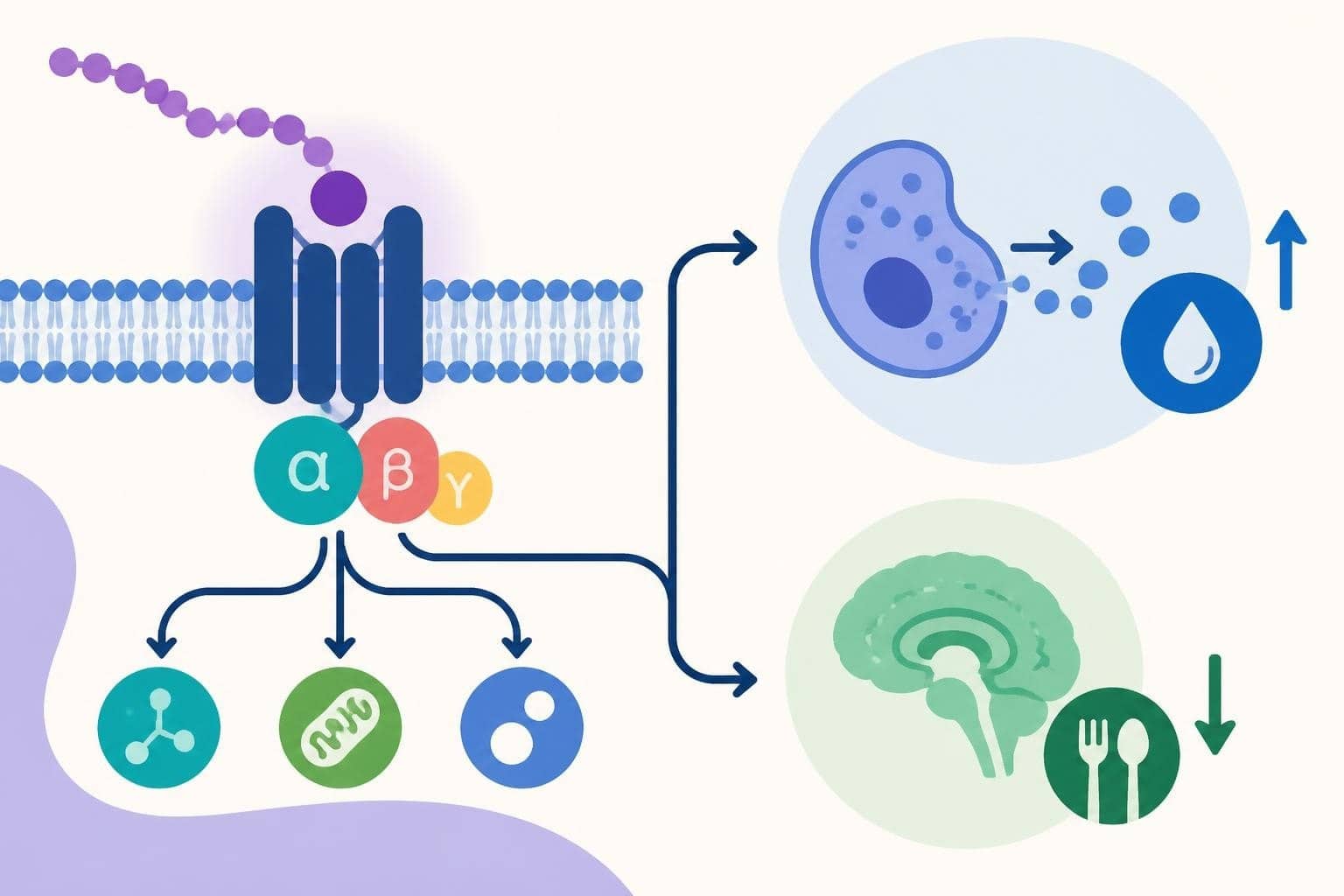
Glucagon-like peptide-1 represents a 30-amino acid incretin hormone secreted primarily by intestinal L-cells in response to nutrient intake. The peptide science glp 1 foundation rests on understanding how this molecule binds to its G-protein-coupled receptor, initiating a complex signaling cascade that affects multiple organ systems simultaneously.
The molecular architecture of GLP-1 reveals critical insights into its biological activity. Research published in Nature has elucidated the cryo-EM structure of the activated GLP-1 receptor, demonstrating how conformational changes enable downstream signaling. Native GLP-1 has an extremely short half-life of approximately two minutes due to rapid degradation by the enzyme dipeptidyl peptidase-4 (DPP-4), which cleaves the peptide at the alanine residue in position 2.
Modifications That Enhance Therapeutic Potential
Scientists have engineered various modifications to overcome the rapid degradation problem inherent in native GLP-1. These alterations include:
- Amino acid substitutions at the DPP-4 cleavage site to resist enzymatic breakdown
- Lipidation strategies that enable albumin binding and prolonged circulation
- PEGylation approaches that increase molecular weight and reduce renal clearance
- Sequence optimization to enhance receptor binding affinity
Modern peptide science glp 1 approaches have produced compounds with half-lives extending to several days or even weeks, transforming once-daily or twice-daily injections into weekly administration schedules. This advancement has dramatically improved patient compliance and therapeutic outcomes.

Mechanisms of Action in Metabolic Regulation
The therapeutic effects of peptide science glp 1 compounds stem from their multifaceted influence on glucose homeostasis, appetite regulation, and energy expenditure. When GLP-1 receptor agonists bind to their target receptors, they activate adenylyl cyclase, increasing intracellular cyclic AMP levels and triggering downstream phosphorylation cascades.
Pancreatic Effects and Glucose Control
GLP-1 receptor activation in pancreatic beta cells stimulates glucose-dependent insulin secretion, a mechanism that reduces hypoglycemia risk compared to traditional insulin secretagogues. Simultaneously, these peptides suppress glucagon release from alpha cells, preventing inappropriate hepatic glucose production during fed states.
| Pancreatic Effect | Mechanism | Clinical Outcome |
|---|---|---|
| Insulin secretion | cAMP-mediated exocytosis | Improved postprandial glucose |
| Glucagon suppression | Paracrine signaling | Reduced hepatic glucose output |
| Beta cell preservation | Anti-apoptotic pathways | Long-term glycemic control |
The glucose-dependent nature of these effects represents a significant safety advantage. Unlike sulfonylureas or exogenous insulin, peptide science glp 1 compounds only enhance insulin secretion when blood glucose levels are elevated, substantially reducing hypoglycemia risk.
Central Nervous System and Appetite Modulation
GLP-1 receptors are densely expressed in hypothalamic nuclei, particularly the arcuate nucleus and paraventricular nucleus, regions critical for appetite regulation and energy balance. Activation of these central receptors produces profound effects on satiety, food intake, and reward-related eating behaviors.
Recent research has identified specific neural circuits through which GLP-1 receptor agonists exert their anorectic effects. These peptides enhance POMC neuron activity while simultaneously inhibiting NPY/AgRP neurons, creating a powerful signal for reduced food intake and increased energy expenditure.
Advanced GLP-1 Formulations and Multi-Agonist Approaches
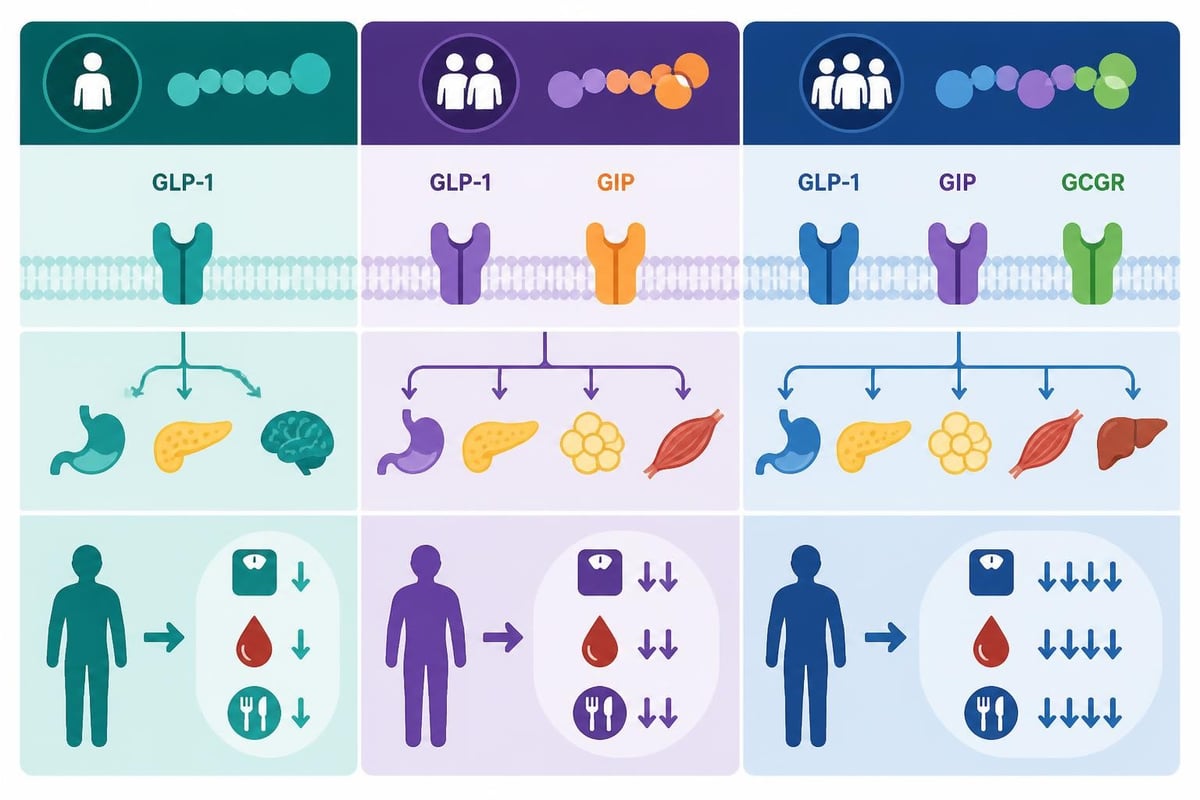
The evolution of peptide science glp 1 has progressed beyond single-receptor targeting to encompass dual and triple agonist molecules that activate multiple incretin and metabolic hormone receptors simultaneously. These next-generation compounds demonstrate superior efficacy for weight reduction and metabolic improvement compared to first-generation GLP-1-only agonists.
Dual and Triple Receptor Agonism
Tirzepatide, a dual GIP/GLP-1 receptor agonist, has demonstrated remarkable clinical efficacy by combining the effects of two complementary incretin hormones. Structural studies in Nature Communications have revealed how these molecules achieve balanced activation of both receptor types, optimizing metabolic benefits while minimizing side effects.
Triple agonists represent the cutting edge of peptide science glp 1 development in 2026. Retatrutide, a compound activating GLP-1, GIP, and glucagon receptors, has shown unprecedented weight loss results in clinical trials. By engaging the glucagon receptor alongside incretin receptors, retatrutide enhances energy expenditure and lipolysis while maintaining the appetite-suppressing and glucose-lowering effects of GLP-1 activation.
The strategic selection of peptides for metabolic optimization requires understanding individual response patterns and therapeutic goals. When considering peptide science glp 1 options, working with premium-quality compounds ensures consistent dosing and predictable outcomes.
Clinical Applications Beyond Diabetes and Obesity
While glycemic control and weight reduction remain primary indications for peptide science glp 1 therapeutics, emerging research has uncovered diverse applications across multiple physiological systems. These pleiotropic effects stem from widespread GLP-1 receptor expression throughout the body, including cardiovascular tissue, kidney, liver, and immune cells.
Cardiovascular Protection Mechanisms
GLP-1 receptor agonists have demonstrated significant cardiovascular benefits in multiple large-scale outcome trials. These cardioprotective effects appear to operate through several mechanisms:
- Direct anti-inflammatory actions on vascular endothelium
- Blood pressure reduction through natriuretic effects
- Improved lipid metabolism and reduced atherogenic particle formation
- Enhanced endothelial function and nitric oxide production
Recent research published in Marie Claire highlights how GLP-1 receptor agonists reduce systemic inflammation markers, potentially explaining their cardiovascular benefits independent of weight loss. This anti-inflammatory effect extends to reducing C-reactive protein, interleukin-6, and tumor necrosis factor-alpha levels.
Hepatic and Renal Benefits
Non-alcoholic fatty liver disease (NAFLD) and chronic kidney disease represent major health challenges where peptide science glp 1 compounds show therapeutic promise. These peptides reduce hepatic steatosis through multiple mechanisms, including decreased de novo lipogenesis, enhanced fatty acid oxidation, and improved hepatic insulin sensitivity.
In kidney disease, GLP-1 receptor agonists demonstrate renoprotective effects by reducing albuminuria, slowing eGFR decline, and decreasing progression to end-stage renal disease. These benefits appear partially independent of glycemic control or weight reduction, suggesting direct protective mechanisms on renal tissue.
Dosing Strategies and Therapeutic Optimization
Implementing effective peptide science glp 1 protocols requires careful attention to dosing escalation, individual tolerance, and therapeutic monitoring. Starting doses typically begin at a fraction of the target maintenance dose, with gradual titration over several weeks to minimize gastrointestinal side effects while maximizing therapeutic benefits.
Titration Protocols and Patient Response
The optimal approach to peptide science glp 1 dosing follows a stepwise escalation pattern that balances efficacy with tolerability. Most protocols employ the following progression:
- Initial phase: Begin at 25-30% of target dose for 4-7 days
- Early escalation: Increase to 50% of target dose for 1-2 weeks
- Mid-range dosing: Advance to 75% of target dose for 1-2 weeks
- Maintenance: Reach full therapeutic dose if tolerated
- Optimization: Adjust based on response and side effect profile
Individual variation in response to peptide science glp 1 compounds necessitates personalized dosing strategies. Factors influencing optimal dosing include baseline body weight, metabolic health status, concurrent medications, and gastrointestinal tolerance. Understanding peptide science fundamentals enables more precise therapeutic optimization.
Monitoring Parameters and Adjustment Criteria
| Parameter | Monitoring Frequency | Target Range | Action Threshold |
|---|---|---|---|
| Fasting glucose | Weekly initially | 70-100 mg/dL | Adjust if <70 or >130 |
| Body weight | Weekly | 1-2 lb/week loss | Increase dose if plateau |
| Heart rate | Monthly | <100 bpm | Evaluate if >100 bpm |
| Gastrointestinal symptoms | Ongoing | Mild/none | Slow titration if moderate |
Therapeutic monitoring extends beyond metabolic markers to include quality of life assessments, nutritional status evaluation, and screening for potential adverse effects. The goal involves maximizing benefits while maintaining excellent tolerability and safety profiles.
Safety Considerations and Adverse Effect Management
The safety profile of peptide science glp 1 compounds has been extensively characterized through both clinical trials and real-world evidence. While generally well-tolerated, these peptides can produce side effects that require proactive management strategies to optimize patient outcomes and therapy continuation.
Common Adverse Effects and Mitigation Strategies
Gastrointestinal symptoms represent the most frequent adverse effects associated with peptide science glp 1 use, including nausea, vomiting, diarrhea, and constipation. These effects typically peak during dose escalation phases and diminish with continued therapy as physiological adaptation occurs.
Effective management approaches include:
- Slower titration schedules for individuals with heightened sensitivity
- Meal composition modifications emphasizing smaller, more frequent meals
- Timing adjustments to administer peptides before bedtime to minimize daytime nausea
- Antiemetic support during initial weeks if symptoms prove severe
- Hydration optimization to prevent dehydration from gastrointestinal effects
Less common but more serious considerations include pancreatitis risk, gallbladder disease, and thyroid C-cell concerns. While absolute risk remains low, appropriate patient selection and monitoring protocols minimize these potential complications.
Long-Term Safety and Emerging Concerns
As peptide science glp 1 use expands in 2026, researchers continue evaluating long-term safety profiles and potential rare adverse events. Analysis using large language models has enabled more sophisticated pharmacovigilance approaches, identifying subtle safety signals across diverse patient populations.
Environmental considerations have emerged as an unexpected dimension of peptide science glp 1 discussions, with manufacturing processes generating significant carbon emissions and chemical waste. This has prompted efforts toward more sustainable production methods and lifecycle assessments of peptide therapeutics.

Future Directions in GLP-1 Peptide Science
The trajectory of peptide science glp 1 development continues accelerating in 2026, with innovations spanning oral formulations, ultra-long-acting compounds, and tissue-selective receptor agonists. These advances promise to address current limitations while expanding therapeutic applications into new clinical domains.
Oral Delivery Systems and Novel Formulations
Overcoming the inherent instability of peptides in the gastrointestinal tract represents a major achievement in pharmaceutical science. Oral semaglutide utilizes sodium N-(8-[2-hydroxybenzoyl] amino) caprylate (SNAC) to facilitate absorption across the gastric mucosa, enabling tablet-based delivery of a traditionally injectable peptide.
Next-generation oral formulations employ diverse strategies including:
- Permeation enhancers that transiently increase intestinal permeability
- Protease inhibitors that protect peptides from enzymatic degradation
- Nanoparticle carriers that shield peptides while facilitating absorption
- Microneedle patches for transdermal delivery without traditional injection
AI-Driven Peptide Design and Optimization
Computational approaches like PepTune leverage multi-objective discrete diffusion models to generate novel therapeutic peptides with optimized properties. These artificial intelligence systems can simultaneously optimize for multiple parameters including receptor selectivity, metabolic stability, immunogenicity reduction, and manufacturing feasibility.
Machine learning algorithms trained on vast peptide structure-activity relationship databases can predict which modifications will enhance desired properties while minimizing off-target effects. This computational approach dramatically accelerates the discovery timeline for next-generation peptide science glp 1 compounds, potentially reducing development cycles from years to months.
Integration with Comprehensive Metabolic Health Protocols
Maximizing the benefits of peptide science glp 1 therapy requires integration within comprehensive metabolic health strategies that address nutrition, physical activity, sleep, stress management, and complementary therapeutic interventions. These peptides function most effectively as components of holistic approaches rather than standalone interventions.
Synergistic Peptide Combinations
Combining GLP-1 receptor agonists with complementary peptides can address multiple aspects of metabolic health simultaneously. For instance, pairing peptide science glp 1 compounds with growth hormone secretagogues may preserve lean muscle mass during weight loss phases, optimizing body composition outcomes.
Understanding peptides for various applications enables strategic combination protocols. Some practitioners incorporate:
- Growth hormone releasing peptides to support muscle preservation and metabolic rate
- AMPK activators like MOTS-c to enhance mitochondrial function and insulin sensitivity
- Healing peptides such as BPC-157 to support tissue integrity during weight loss
- NAD+ precursors to optimize cellular energy metabolism and repair processes
Nutritional Strategies for Enhanced Outcomes
The appetite-suppressing effects of peptide science glp 1 compounds create both opportunities and challenges for nutritional optimization. While reduced hunger facilitates caloric restriction, ensuring adequate protein intake and micronutrient sufficiency becomes critical to prevent muscle loss and nutritional deficiencies.
Effective nutritional approaches emphasize:
- Protein prioritization with targets of 1.2-1.6 g/kg body weight daily
- Nutrient-dense food selection to maximize micronutrient intake within reduced caloric budgets
- Meal timing optimization to align with periods of better appetite and tolerance
- Supplementation strategies addressing common deficiencies including vitamin B12, iron, and calcium
- Hydration protocols to support metabolic processes and minimize constipation risk
The synergy between proper nutrition and peptide science glp 1 therapy significantly influences outcomes, with well-nourished individuals demonstrating better body composition changes, preserved metabolic rate, and enhanced overall wellbeing compared to those with suboptimal nutritional intake.
Quality Considerations and Sourcing Standards
The therapeutic efficacy and safety of peptide science glp 1 compounds depend critically on manufacturing quality, purity standards, and proper handling throughout the supply chain. Variations in peptide purity, sequence accuracy, or storage conditions can substantially impact biological activity and patient outcomes.
Purity Standards and Testing Requirements
Premium peptide manufacturers employ multiple analytical techniques to ensure product quality and consistency. High-performance liquid chromatography (HPLC) provides detailed purity profiles, typically targeting ≥98% purity for therapeutic-grade peptides. Mass spectrometry confirms molecular weight and sequence accuracy, detecting any modifications or degradation products.
Additional quality parameters include:
- Endotoxin testing to ensure freedom from bacterial contamination
- Sterility verification for compounds intended for injection
- Moisture content analysis affecting stability and accurate dosing
- pH measurement to verify proper formulation characteristics
- Counter-ion analysis for peptides supplied as salts
Storage and Stability Requirements
Proper storage conditions preserve peptide science glp 1 compound stability and biological activity. Lyophilized (freeze-dried) peptides generally demonstrate superior stability compared to liquid formulations, with properly stored powders maintaining potency for extended periods when kept refrigerated or frozen.
Once reconstituted with bacteriostatic water, peptide solutions require refrigeration and typically maintain stability for 30-60 days depending on the specific compound. Avoiding temperature fluctuations, light exposure, and contamination during handling ensures optimal potency throughout the usage period.
Regulatory Landscape and Access Considerations
The regulatory framework surrounding peptide science glp 1 compounds continues evolving in 2026, balancing the need for patient access against safety concerns and appropriate medical supervision. Multiple GLP-1 receptor agonists have received FDA approval for specific indications, while others remain available through research or compounding channels.
Approved Therapeutics and Off-Label Applications
Several peptide science glp 1 compounds have achieved FDA approval for diabetes management and obesity treatment, with specific labeling for cardiovascular risk reduction in certain patient populations. Comprehensive reviews in Nature detail the clinical development pathways and approval processes for these transformative therapeutics.
Off-label prescribing practices have expanded access to these peptides for additional applications including:
- Metabolic syndrome management in pre-diabetic individuals
- Body composition optimization in athletic populations
- Appetite control for binge eating disorder
- Cognitive function support in neurodegenerative conditions
The expansion of indications reflects growing understanding of GLP-1 receptor biology and the pleiotropic effects of receptor activation across diverse organ systems.
Emerging Compounds and Pipeline Developments
Next-generation GLP-1-based drugs like Retatrutide represent the forefront of peptide science glp 1 innovation, with ongoing clinical trials evaluating safety and efficacy profiles. These investigational compounds often demonstrate enhanced potency or novel mechanisms compared to currently approved agents, potentially offering superior outcomes for specific patient populations.
The development pipeline includes oral formulations of traditionally injectable peptides, ultra-long-acting compounds requiring monthly administration, and tissue-selective agonists designed to maximize benefits in target organs while minimizing systemic side effects. These innovations promise to further transform metabolic medicine over the coming years.
Understanding peptide science glp 1 mechanisms, applications, and optimization strategies empowers informed therapeutic decisions in metabolic health management. As research continues revealing new dimensions of GLP-1 biology and novel compounds enter clinical practice, these peptides will likely play increasingly central roles in addressing obesity, diabetes, and related conditions. Soma Peptide provides premium-quality peptides manufactured to the highest purity standards, supporting individuals seeking research-grade compounds for metabolic optimization and therapeutic exploration.