



The relationship between peptides growth hormone secretagogues and human physiology has captivated researchers and health enthusiasts for decades. These specialized molecules function by stimulating the body's natural growth hormone production rather than introducing synthetic hormone directly into the system. Understanding how these peptides work, their potential benefits, and the current research landscape provides valuable insights for anyone exploring advanced approaches to muscle development, recovery, and healthy aging. As the field evolves in 2026, the science behind these compounds continues to reveal new possibilities while regulatory frameworks adapt to emerging evidence.
Understanding Growth Hormone Secretagogues
Growth hormone secretagogues represent a class of compounds that trigger the release of growth hormone from the pituitary gland. Unlike direct hormone replacement, peptides growth hormone secretagogues work by binding to specific receptors that signal the body to produce and release its own endogenous growth hormone.
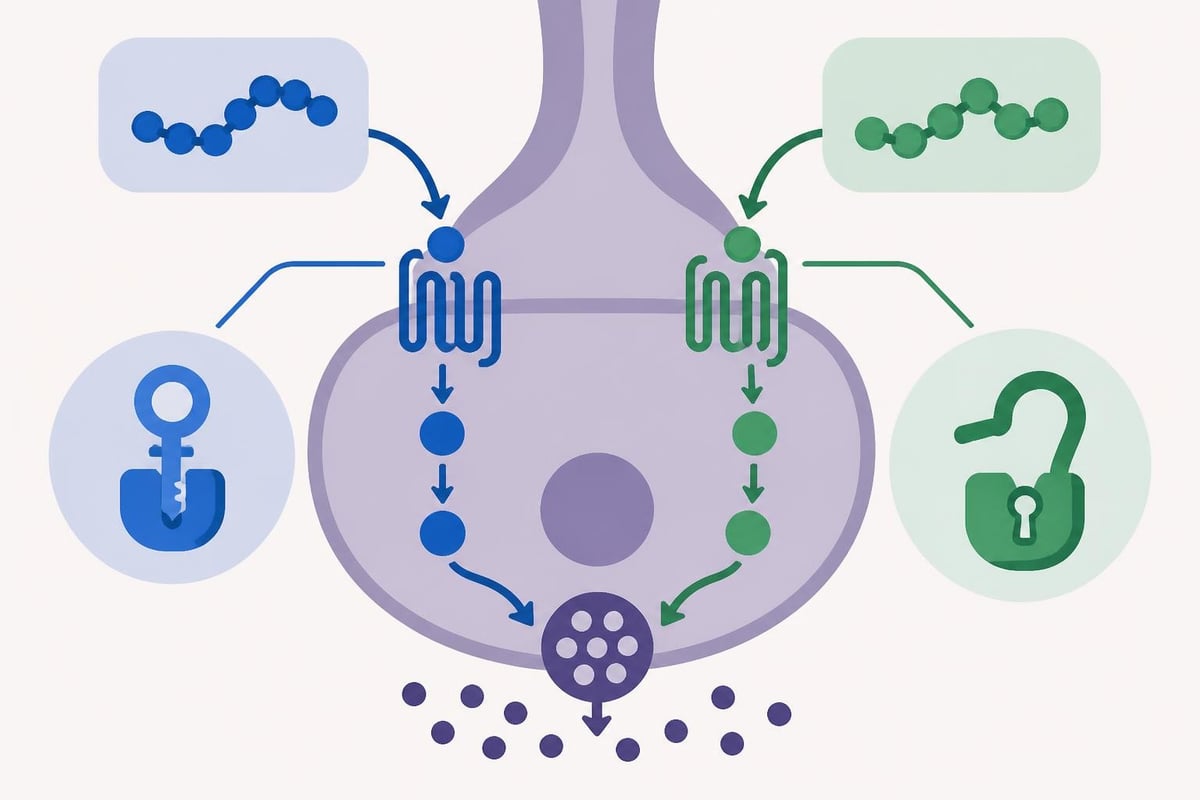
The primary mechanism involves interaction with the growth hormone secretagogue receptor (GHS-R), also known as the ghrelin receptor. When these peptides bind to this receptor, they initiate a cascade of cellular signals that culminate in growth hormone release. This approach offers a more physiological pattern of hormone secretion compared to direct GH administration.
Categories of Growth Hormone Peptides
Several distinct categories of peptides growth hormone compounds exist, each with unique characteristics and mechanisms:
- Growth Hormone-Releasing Hormones (GHRH): These peptides mimic the natural GHRH produced by the hypothalamus
- Growth Hormone-Releasing Peptides (GHRP): Synthetic peptides that stimulate GH release through ghrelin receptor activation
- Combination Protocols: Synergistic approaches using both GHRH and GHRP analogs
The distinction matters because different peptide classes activate complementary pathways. Research on growth hormone-releasing peptides demonstrates that combining GHRH analogs with GHRPs can produce more substantial growth hormone elevation than either compound alone.
Mechanisms of Action for Peptides Growth Hormone
The biological mechanisms underlying peptides growth hormone function involve intricate receptor interactions and signaling cascades. When a GHRH analog binds to GHRH receptors on somatotroph cells in the anterior pituitary, it activates adenylyl cyclase, raising cyclic AMP levels and triggering calcium influx. This sequence prompts rapid growth hormone secretion into circulation.
GHRPs operate through a different pathway. They bind to the ghrelin receptor, activating phospholipase C and protein kinase C pathways. This mechanism not only stimulates growth hormone release but also influences other physiological processes, including appetite regulation and metabolic function.
Pulsatile Secretion Patterns
Natural growth hormone release follows a pulsatile pattern, with secretion peaks occurring primarily during deep sleep and following exercise. Peptides growth hormone secretagogues can mimic this natural rhythm when administered strategically.
The pulsatile nature offers advantages over continuous hormone exposure:
- Maintains receptor sensitivity and responsiveness
- Prevents downregulation of GH receptors
- Produces more physiological downstream effects
- Minimizes potential negative feedback mechanisms
- Supports natural circadian hormone patterns
Detailed peptide profiles show how different compounds influence secretion timing and magnitude, helping researchers and practitioners optimize administration protocols for specific goals.
Clinical Applications and Research
The therapeutic potential of peptides growth hormone extends across multiple medical and performance domains. In clinical settings, certain peptides have received regulatory approval for specific conditions, while others remain under investigation.
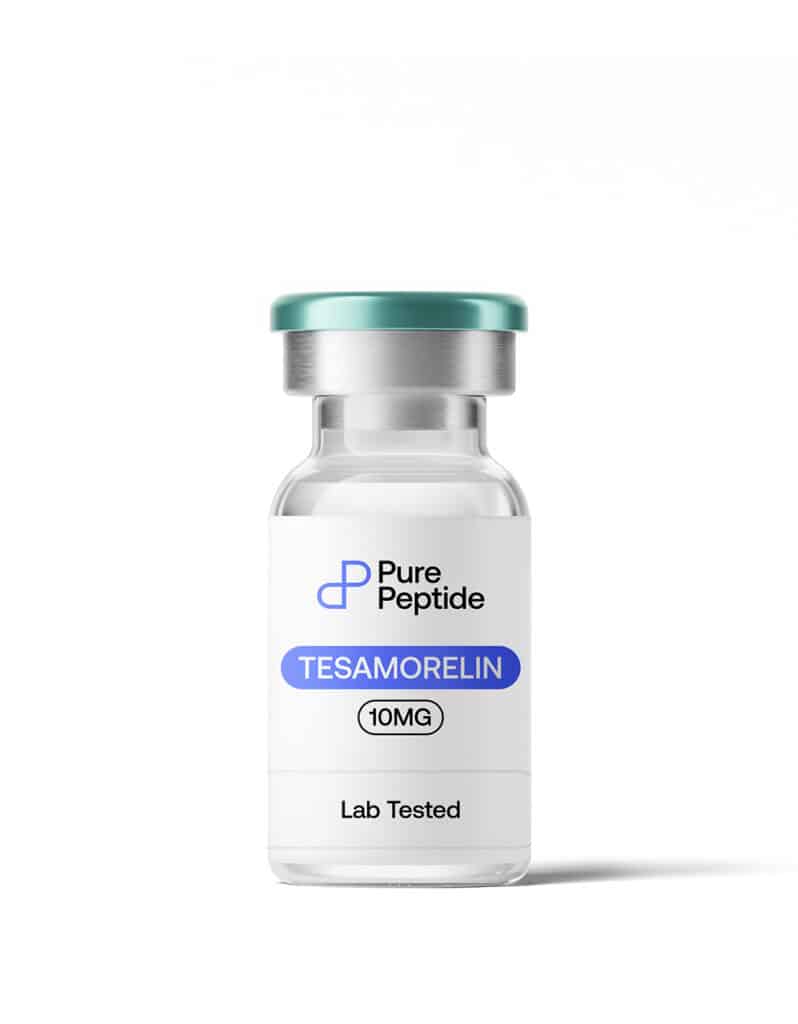
Tesamorelin stands as the only FDA-approved GHRH analog, specifically indicated for reducing excess abdominal fat in HIV-associated lipodystrophy. This approval demonstrates that peptides growth hormone can produce measurable, clinically significant outcomes when properly applied. Current research on GH axis peptides emphasizes the distinction between approved therapeutics and investigational compounds.
Body Composition and Metabolic Effects
One of the most extensively studied applications involves body composition modification. Growth hormone influences metabolism through multiple mechanisms:
| Metabolic Effect | Mechanism | Potential Outcome |
|---|---|---|
| Lipolysis | Activation of hormone-sensitive lipase | Reduced fat mass |
| Protein Synthesis | Enhanced amino acid uptake | Increased lean mass |
| Glucose Metabolism | Insulin antagonism | Altered glucose handling |
| Bone Density | IGF-1 mediated effects | Improved bone remodeling |
These effects explain why peptides growth hormone have attracted attention in both clinical medicine and performance optimization contexts. However, the magnitude and consistency of these effects depend heavily on baseline hormone status, dosing protocols, and individual responsiveness.
Muscle Growth and Recovery Applications
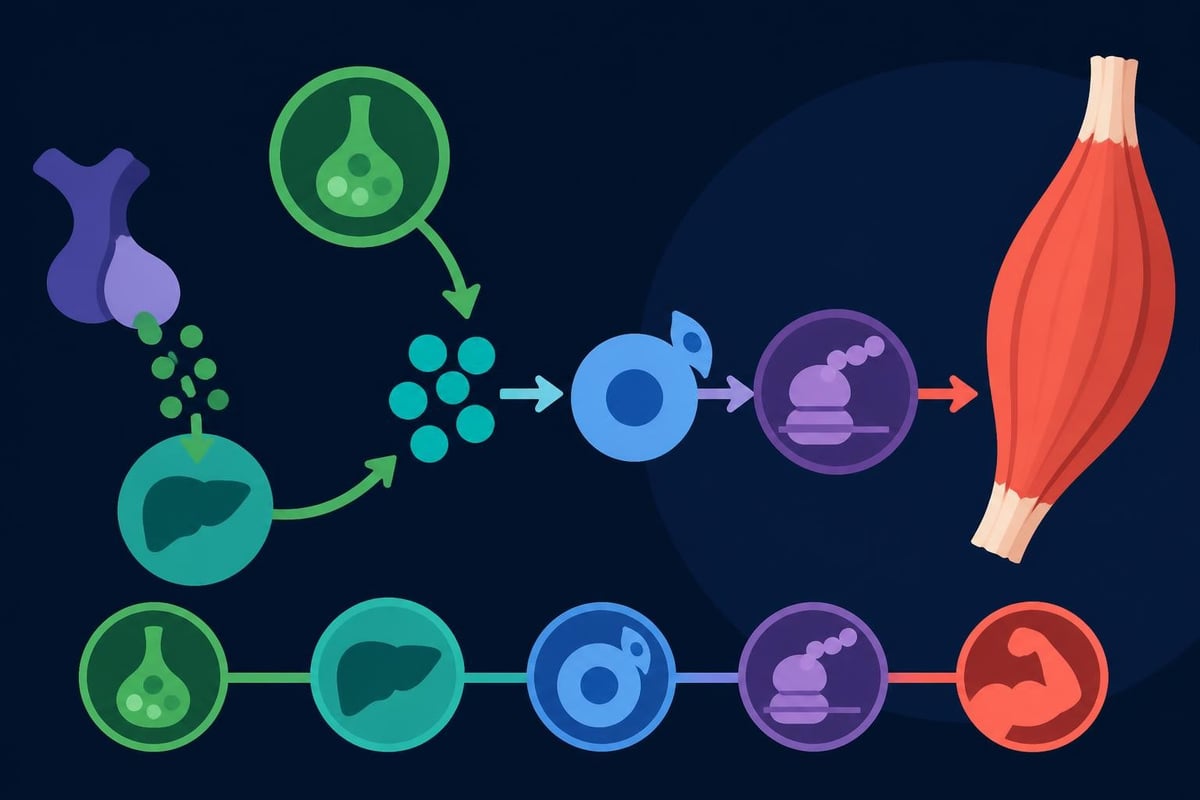
For individuals focused on muscle development and athletic recovery, peptides growth hormone offer potential advantages through multiple pathways. Growth hormone stimulates the liver and other tissues to produce insulin-like growth factor-1 (IGF-1), which directly promotes muscle protein synthesis and satellite cell activation.
The recovery dimension extends beyond simple muscle repair. Peptides growth hormone may support connective tissue health, reduce inflammatory markers, and enhance sleep quality-all factors that contribute to comprehensive recovery. Those exploring muscle growth strategies often consider how hormonal optimization fits within broader training and nutrition frameworks.
Protein Synthesis and Nitrogen Retention
Growth hormone enhances nitrogen retention and amino acid uptake in muscle tissue. This anabolic environment facilitates muscle protein synthesis, particularly when combined with adequate protein intake and resistance training stimulus.
The synergistic relationship between peptides growth hormone, nutrition, and training creates conditions favorable for muscle development:
- Enhanced amino acid transport into muscle cells
- Increased ribosomal protein synthesis capacity
- Improved nitrogen balance and reduced protein catabolism
- Accelerated satellite cell proliferation and differentiation
Research continues to clarify optimal protocols for maximizing these effects while minimizing potential drawbacks. Evidence-based guides on growth hormone peptides provide frameworks for understanding these complex interactions.
Anti-Aging and Regenerative Properties
The anti-aging applications of peptides growth hormone stem from growth hormone's broad physiological effects on cellular regeneration, collagen synthesis, and metabolic function. As endogenous GH production declines with age-typically decreasing by approximately 14% per decade after age thirty-interest in secretagogue-based approaches has intensified.
Peptides growth hormone may influence several aging-related parameters. Skin thickness and elasticity often decline with age partly due to reduced collagen production. Growth hormone supports fibroblast activity and collagen synthesis, potentially countering some dermal aging effects. Bone mineral density, cognitive function, and energy metabolism represent additional domains where GH plays regulatory roles.
Cellular Regeneration and Repair
At the cellular level, growth hormone influences multiple regenerative processes. It promotes cell proliferation in various tissues, enhances protein synthesis, and supports mitochondrial function. These effects contribute to overall tissue maintenance and repair capacity.
However, the anti-aging field requires careful consideration. Recent coverage of anti-aging peptide trends highlights both growing interest and regulatory concerns surrounding unapproved uses of these compounds. Distinguishing between evidence-based applications and unsubstantiated claims remains essential.
Combination Protocols and Synergistic Effects
Many protocols involving peptides growth hormone utilize combination approaches to maximize effectiveness. The most common strategy pairs a GHRH analog with a GHRP, leveraging their complementary mechanisms to produce greater GH elevation than either compound alone.
When combined, these peptides work through distinct receptor pathways that converge on the same outcome: growth hormone release. The GHRH analog stimulates the pituitary directly, while the GHRP activates the ghrelin receptor pathway and also blunts somatostatin, the hormone that inhibits GH release.
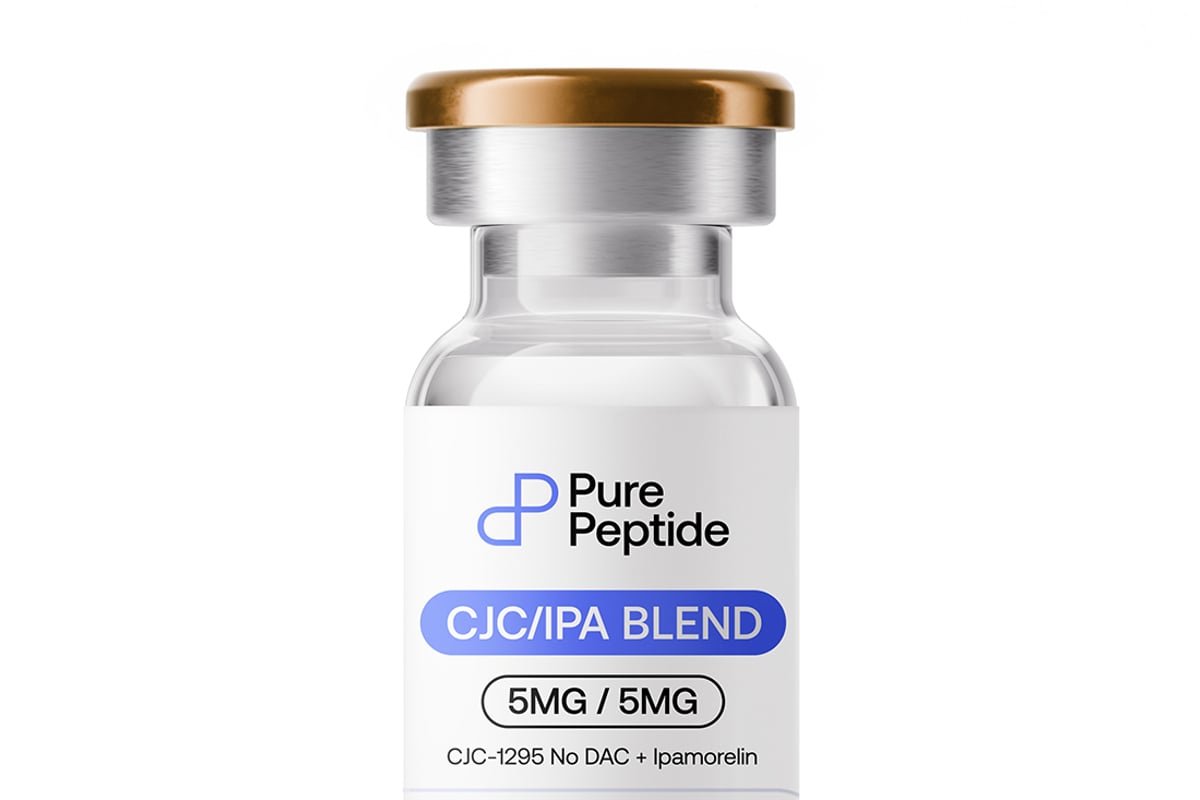
For example, the CJC-1295 No DAC / Ipamorelin Blend represents a well-researched combination that pairs a GHRH analog with a selective GHRP. This pairing promotes a natural, controlled rise in growth hormone levels while maintaining physiological balance and minimizing disruption to normal hormone rhythms.
Dosing Strategies and Timing
Effective use of peptides growth hormone requires attention to dosing frequency and timing. Most protocols involve administration during periods when natural GH release would typically occur or when somatostatin levels are lowest.
Common timing approaches include:
- Pre-sleep administration to enhance nocturnal GH pulses
- Post-workout dosing to capitalize on exercise-induced hormone sensitivity
- Morning fasted administration to support metabolic effects
- Split-dose protocols to maintain more consistent elevation
Individual response varies considerably, making personalized adjustment important. Factors influencing optimal protocols include age, baseline hormone levels, body composition, training status, and specific goals.
Safety Considerations and Monitoring
While peptides growth hormone offer potential benefits, responsible use requires understanding potential risks and implementing appropriate monitoring. Unlike direct GH administration, secretagogues work within the body's regulatory feedback systems, which may provide some inherent safety advantages.
Common considerations include:
- Glucose metabolism: Growth hormone exhibits insulin-antagonistic effects that may influence glucose handling
- Edema and joint discomfort: Fluid retention occasionally occurs, particularly at higher doses
- Receptor desensitization: Continuous high-level stimulation may reduce responsiveness over time
- Individual variability: Response to peptides growth hormone differs substantially between individuals
| Monitoring Parameter | Frequency | Purpose |
|---|---|---|
| Fasting glucose | Every 3 months | Detect metabolic changes |
| IGF-1 levels | Every 3-6 months | Assess GH axis response |
| Thyroid function | Every 6 months | Monitor hormone balance |
| Lipid panel | Every 6 months | Track metabolic effects |
Regular monitoring helps identify potential issues early and allows protocol adjustments based on objective data rather than subjective impressions alone.
Current Research and Future Directions
The scientific landscape surrounding peptides growth hormone continues evolving rapidly. Research in 2026 focuses on several key areas: optimizing dosing protocols, identifying responder phenotypes, understanding long-term safety profiles, and developing more selective compounds with improved benefit-to-risk ratios.
Comprehensive peptide databases track emerging research and help practitioners stay current with the latest evidence. Recent investigations examine how genetic variations influence responsiveness to different secretagogues and how combination protocols might be tailored based on individual hormone profiles.
Regulatory Evolution
The regulatory environment for peptides growth hormone remains dynamic. While compounds like tesamorelin have achieved FDA approval for specific indications, most growth hormone secretagogues remain classified as research chemicals without approved therapeutic uses outside clinical trials.
This regulatory status creates important distinctions:
- Approved peptides undergo rigorous safety and efficacy testing
- Research peptides lack comprehensive human safety data
- Off-label use occurs but carries additional uncertainties
- Quality control standards vary significantly between suppliers
Understanding these distinctions helps individuals make informed decisions and recognize the difference between evidence-based therapeutic applications and experimental protocols. Current regulatory perspectives provide context for navigating this evolving landscape.
Quality and Purity Standards
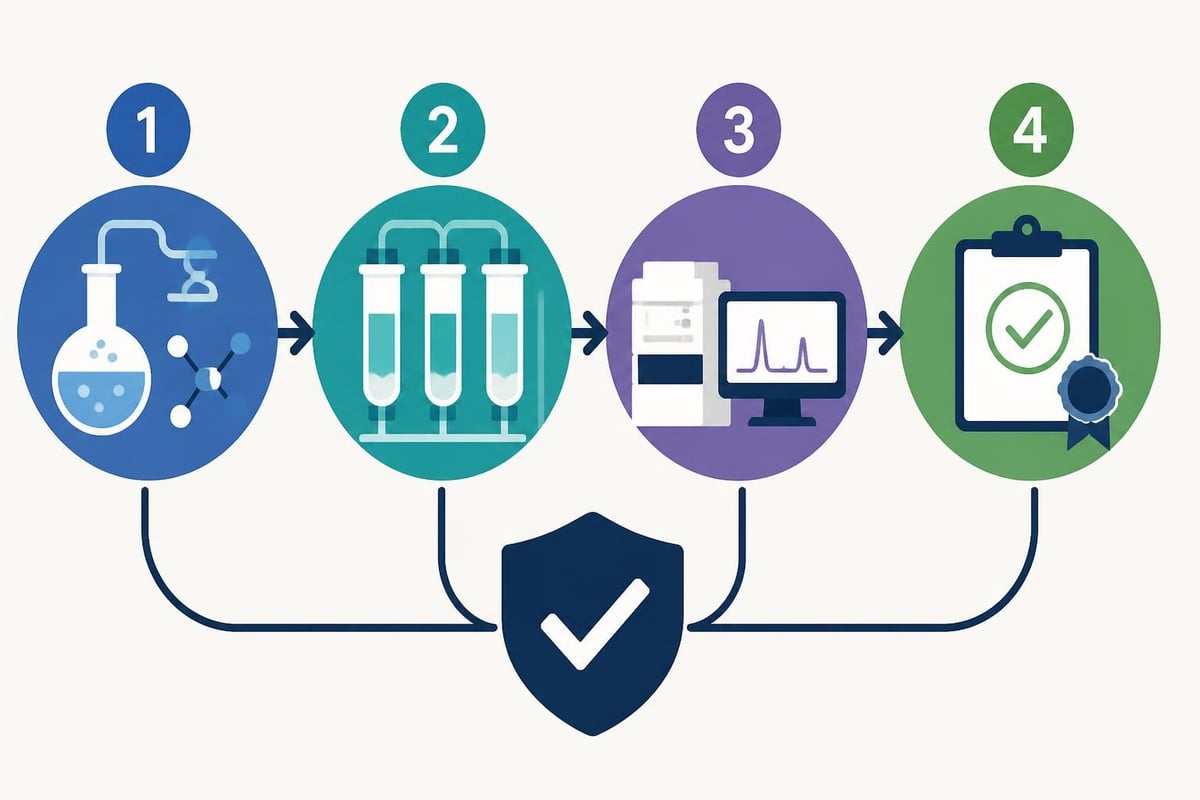
The effectiveness and safety of peptides growth hormone depend fundamentally on product quality. Synthesis methods, purification processes, storage conditions, and handling protocols all influence final product integrity.
High-quality peptides require:
- Advanced synthesis using pharmaceutical-grade starting materials
- Multiple purification steps to remove synthesis byproducts
- Rigorous analytical testing including HPLC and mass spectrometry
- Proper lyophilization and storage to maintain stability
- Third-party verification through certificates of analysis
Inferior products may contain impurities, incorrect peptide sequences, or degraded compounds that reduce effectiveness and potentially introduce safety risks. Questions about quality standards and testing protocols should be addressed through resources like FAQ sections that provide transparency about manufacturing processes.
Integration with Comprehensive Health Strategies
Peptides growth hormone function optimally within broader health optimization frameworks. Isolated use without attention to foundational factors like nutrition, sleep, training, and stress management likely produces suboptimal results.
Nutritional Considerations
Growth hormone influences protein, carbohydrate, and fat metabolism, making nutritional strategy particularly relevant. Adequate protein intake supports the anabolic effects of elevated GH and IGF-1, while carbohydrate timing may influence glucose metabolism and insulin sensitivity.
Key nutritional factors include:
- Sufficient protein intake (1.6-2.2g per kg body weight for active individuals)
- Strategic carbohydrate placement around training
- Adequate micronutrient status, particularly zinc and magnesium
- Proper hydration to support metabolic processes
The intersection of peptides growth hormone with nutrition creates opportunities for synergy when properly coordinated.
Training and Recovery Protocols
Exercise itself powerfully stimulates growth hormone release, with high-intensity interval training and resistance training producing particularly robust responses. Peptides growth hormone may enhance or extend these natural secretory episodes.
Recovery represents another critical domain. Growth hormone peaks during deep sleep, making sleep quality essential for maximizing both endogenous and peptide-stimulated GH effects. Those exploring recovery optimization strategies often discover that hormonal, nutritional, and lifestyle factors interact in complex ways.
Practical Implementation Considerations
Transitioning from theoretical understanding to practical implementation requires addressing several operational questions. Reconstitution procedures, storage requirements, administration techniques, and cycle structures all influence outcomes with peptides growth hormone.
Most peptides arrive as lyophilized powder requiring reconstitution with bacteriostatic water. Proper technique maintains sterility and ensures accurate dosing:
- Clean all surfaces and wash hands thoroughly
- Use proper reconstitution technique to avoid protein denaturation
- Store reconstituted peptides refrigerated at 2-8°C
- Use appropriate insulin syringes for precise measurement
- Rotate injection sites to minimize irritation
Administration typically involves subcutaneous injection in areas with adequate fatty tissue, such as the abdomen or thigh. Proper injection technique minimizes discomfort and optimizes absorption.
Cycle Structure and Duration
Unlike some compounds requiring continuous use, peptides growth hormone often utilize cyclical protocols. Common approaches include:
| Protocol Type | Duration | Rest Period | Rationale |
|---|---|---|---|
| Short cycle | 8-12 weeks | 4-6 weeks | Maintains sensitivity |
| Long cycle | 3-6 months | 1-2 months | Sustained adaptation |
| Pulsed protocol | 5 days on / 2 days off | Continuous | Prevents desensitization |
| Front-loaded | Higher initial dose, then maintenance | Varies | Rapid establishment |
The optimal structure depends on individual goals, responsiveness, and how peptides growth hormone fit within broader health and performance strategies.
Distinguishing Quality Sources
With increasing interest in peptides growth hormone, the marketplace has expanded dramatically, creating variability in product quality and reliability. Distinguishing reputable suppliers from questionable sources requires evaluating several key factors.
Premium suppliers typically offer:
- Transparent third-party testing with accessible certificates of analysis
- Clear labeling with accurate peptide content and purity percentages
- Proper storage and shipping procedures maintaining cold chain integrity
- Knowledgeable customer support capable of addressing technical questions
- Established track records and verifiable customer feedback
Detailed information about testing standards helps consumers understand what quality verification should include and what questions to ask potential suppliers.
Individual Response Variability
Not everyone responds identically to peptides growth hormone. Genetic factors, baseline hormone status, age, body composition, lifestyle factors, and concurrent health conditions all influence individual outcomes. This variability means protocols often require personalization based on objective monitoring and subjective response assessment.
Factors influencing individual response include:
- Age: Older individuals may show different response patterns than younger users
- Baseline GH status: Those with lower endogenous production may respond more robustly
- Body composition: Leaner individuals often exhibit different kinetics than those with higher body fat
- Sleep quality: Poor sleep may blunt both endogenous and stimulated GH release
- Stress levels: Chronic stress affects hormone balance and responsiveness
Recognizing this variability helps set realistic expectations and emphasizes the importance of individualized approaches rather than one-size-fits-all protocols.
Beyond Growth Hormone: Complementary Peptides
While focusing specifically on peptides growth hormone, the broader peptide landscape includes compounds that complement GH-focused protocols or address related physiological systems. Understanding these relationships creates opportunities for comprehensive approaches.
For instance, individuals interested in weight loss applications might explore how metabolic peptides interact with growth hormone pathways to influence body composition through complementary mechanisms.
The key involves understanding how different peptide classes work together rather than assuming more compounds automatically produce better results. Thoughtful protocol design considers mechanisms, timing, and potential interactions to create coherent, evidence-based approaches.
The Science-Practice Gap
A significant challenge in the peptides growth hormone field involves the gap between controlled research settings and real-world application. Clinical studies often use specific populations, standardized doses, controlled conditions, and comprehensive monitoring-circumstances that differ substantially from typical individual use.
This gap creates several practical implications:
- Research findings may not directly translate to different populations or contexts
- Optimal doses in studies may differ from those used practically
- Side effect profiles may vary between controlled and uncontrolled settings
- Long-term safety data remains limited for many compounds
Bridging this gap requires combining available research evidence with clinical experience, individual monitoring, and conservative risk management. Resources like comprehensive peptide guides help contextualize research findings for practical application.
Understanding peptides growth hormone involves appreciating their complex mechanisms, potential applications, and practical considerations. These compounds offer intriguing possibilities for supporting muscle growth, recovery, metabolic health, and healthy aging when used responsibly within comprehensive health strategies. Whether you're exploring options for performance enhancement, body composition optimization, or regenerative support, working with premium quality peptides backed by rigorous testing makes a fundamental difference in safety and effectiveness. Soma Peptide provides research-grade peptides manufactured to the highest purity standards, supported by transparent third-party testing and expert guidance to help you make informed decisions about your health optimization journey.